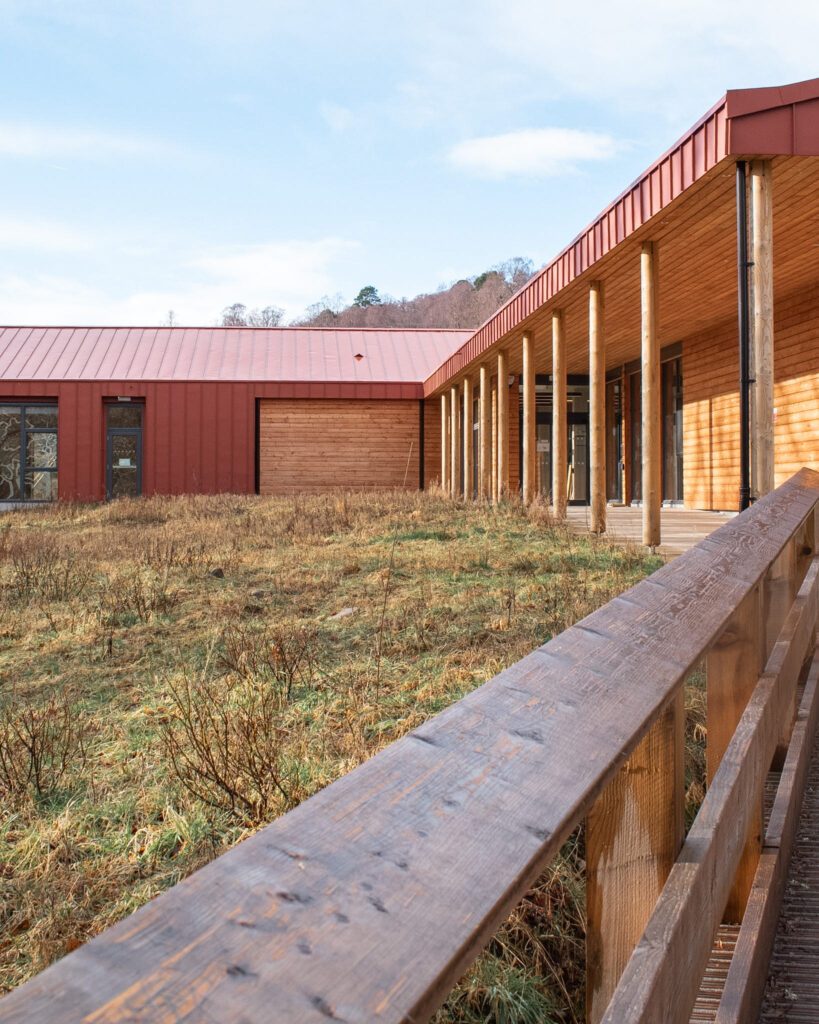
If you’re driving between Skye, Loch Ness and Fort William, the Dundreggan Rewilding Centre is one of the most worthwhile stops in the Scottish Highlands. It is the world’s first rewilding centre, managed by the charity Trees For Life. This unique visitor centre combines forest walks, wildlife conservation, Gaelic culture, and sustainable tourism in the heart of the Highlands.
If you’re looking for a scenic stop between Skye and Loch Ness, somewhere to stretch your legs, or simply a more meaningful alternative to a boring service station, I can’t recommend Dundreggan highly enough. The staff were incredibly welcoming and knowledgeable, and we left feeling considerably more informed about the rewilding movement and Scottish environmental issues.
First up, a bit about rewilding and conservation in Scotland to set the scene. But you can skip straight to the practical information on visiting Dundreggan if you are already all over this issue!
If you would like to explore more of the UK’s conservation projects, check out my review of our stay at the Emley Nature Reserve.
Quick Guide to Dundreggan Rewilding Centre
Location: Glenmoriston, near Loch Ness
Managed By: Trees for Life
Best For: Nature lovers, families, road trips and eco tourism
Highlights: Forest walks, Gaelic exhibits, wildlife conservation
Nearest Towns: Fort William, Inverness, Kyle of Lochalsh
Road Trip Stop: between Skye and Loch Ness
VISITING DUNDREGGAN
GETTING THERE
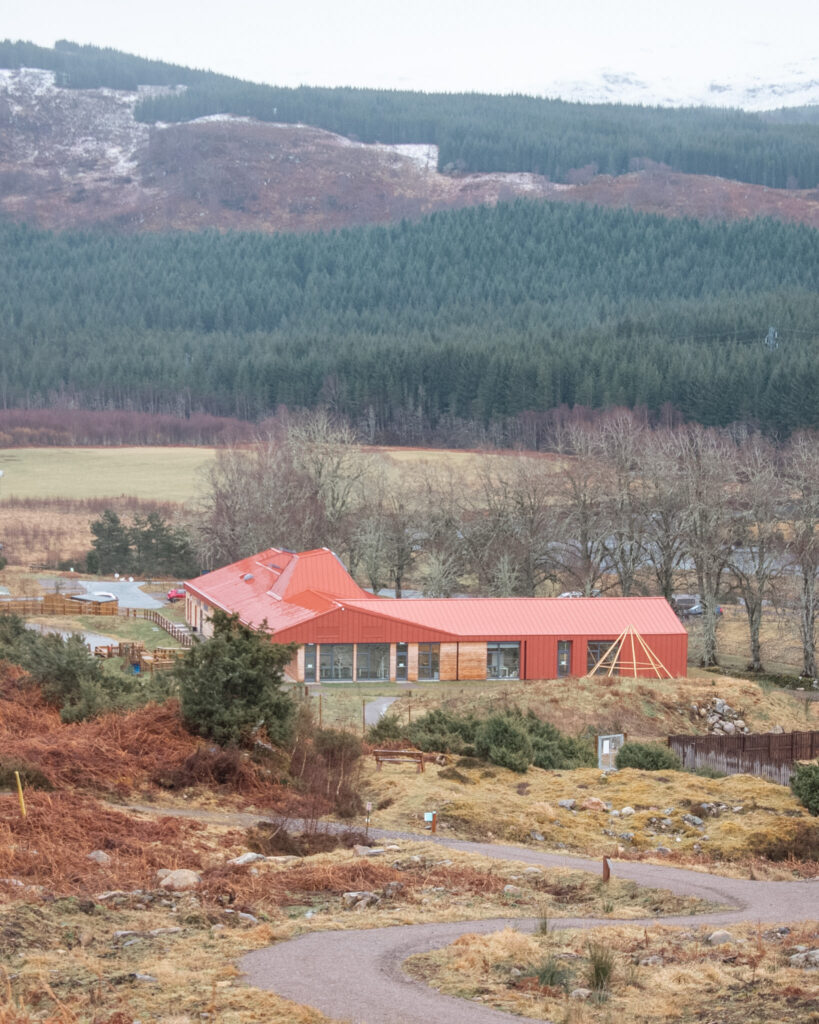
The Dundreggan Rewilding Centre is eight miles from Loch Ness’ shores, in Glenmoriston. It is about an hour’s drive from Inverness, Kyle of Lochalsh and Fort William. There is an EV charger in the carpark.
The Scottish Citylink 917 bus passes the Dundreggan Rewilding Centre. There is a request stop on the opposite side of the road to the Rewilding Centre – meaning you need to tell the driver that you want to go to Dundreggan, and they will stop the bus for you.
THINGS TO DO AT DUNDREGGAN REWILDING CENTRE
The Centre is part of the 10,000 acre Dundreggan Estate, which has been owned by Trees for Life since 2008. Opened in April 2023, it is the world’s first rewilding centre. There are more than 4,000 species of plants and animals here, including a number of rare and protected species. Trees of Life are encouraging natural regeneration, allowing the forest to recover, expanding parts of Scotland’s Caledonian forest. The tree nursery grows around 90,000 trees every year.
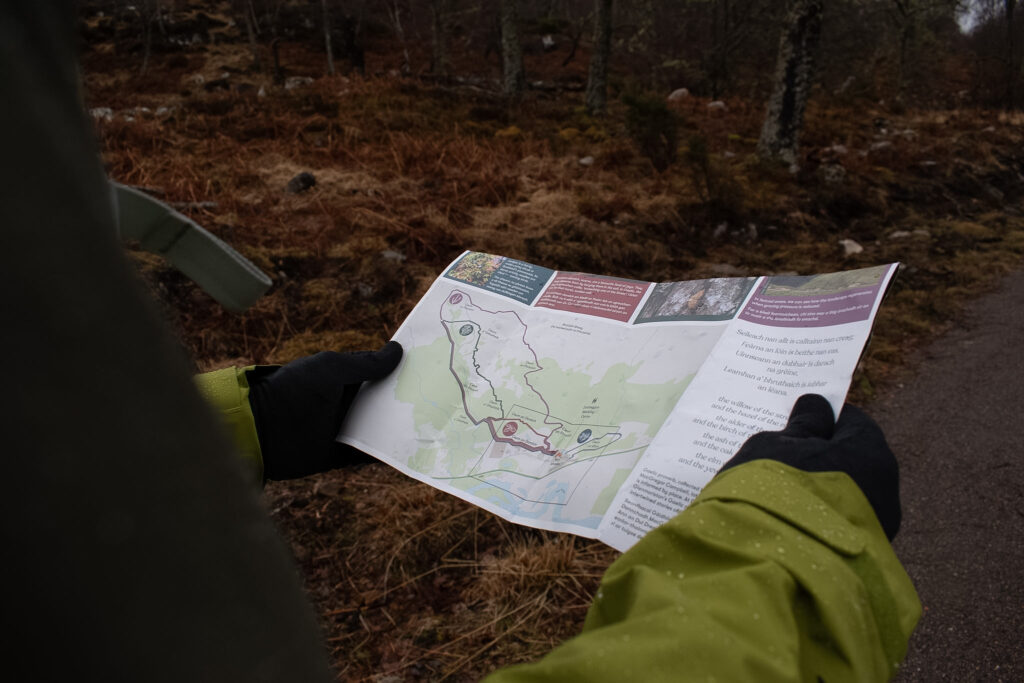
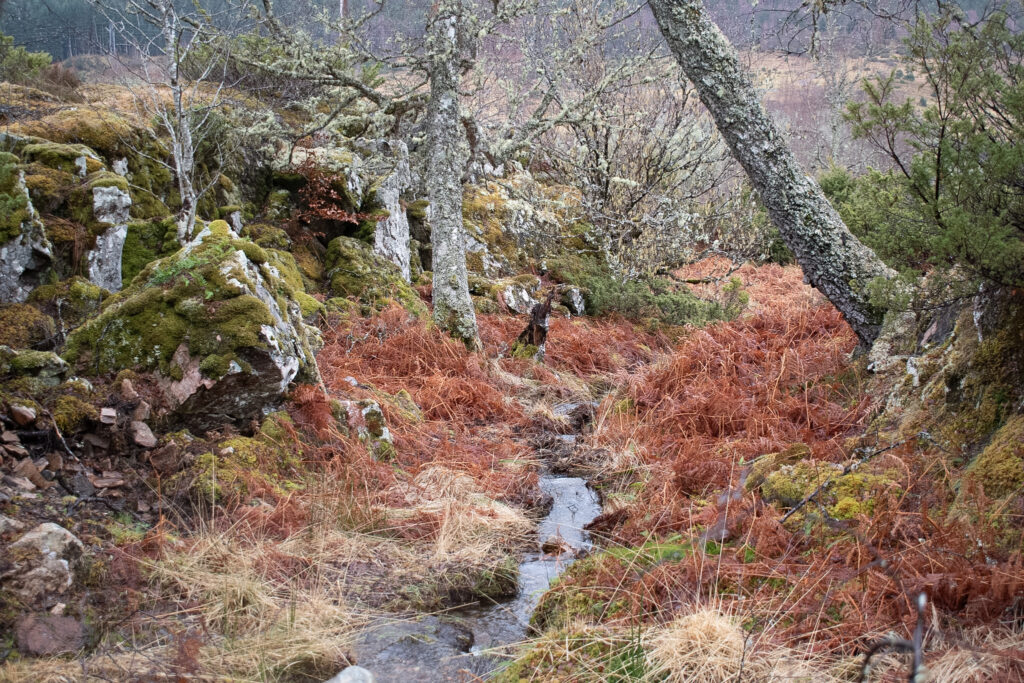
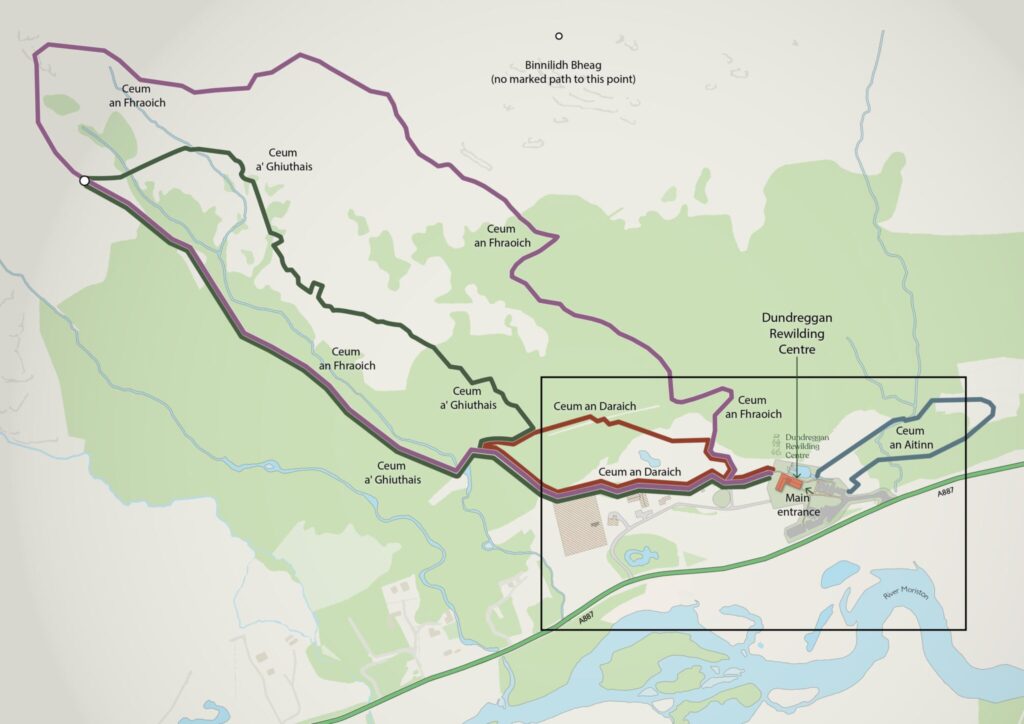
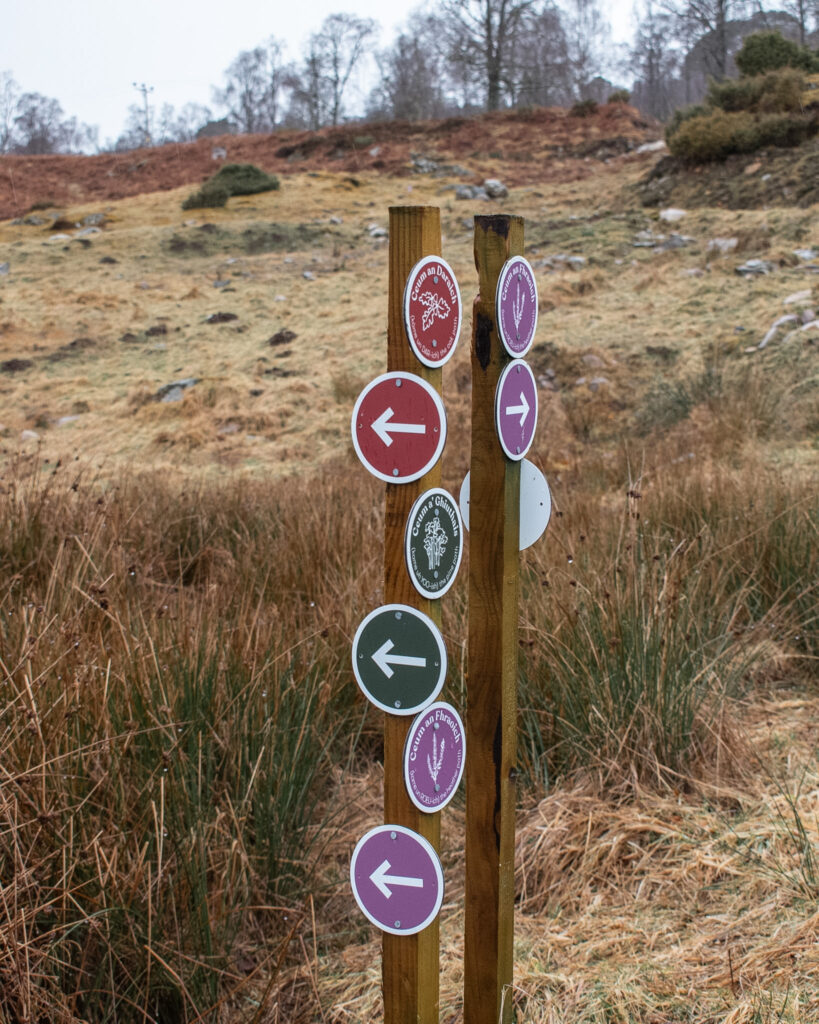
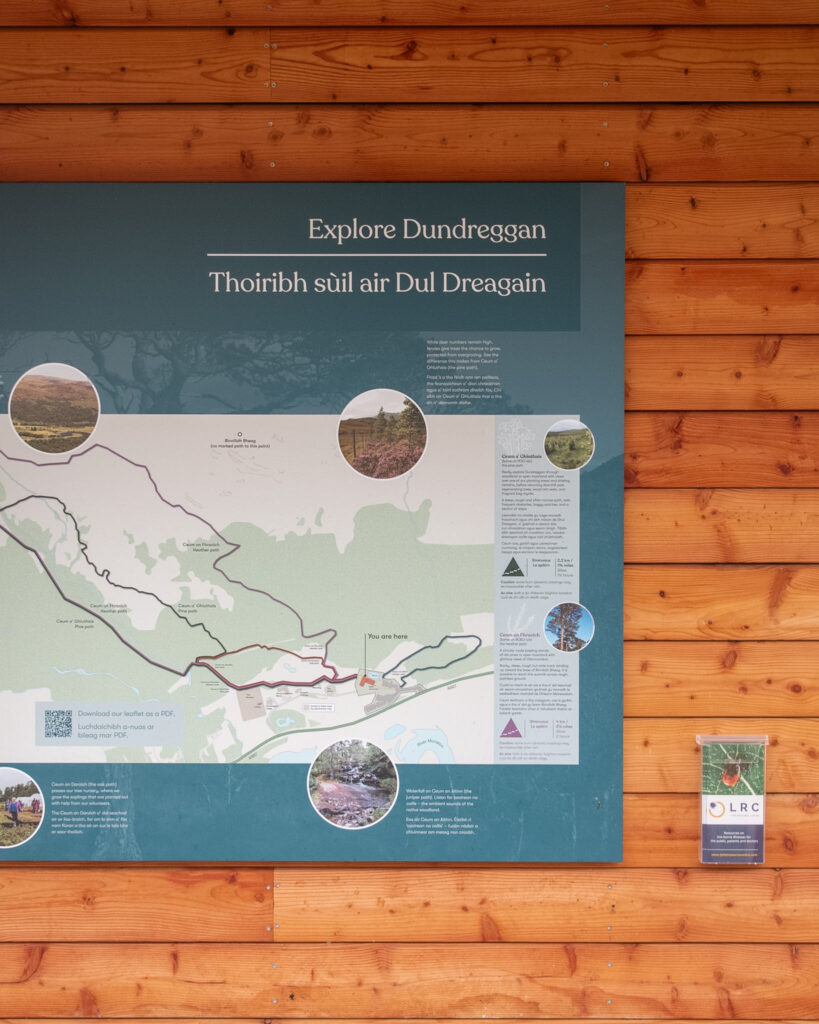
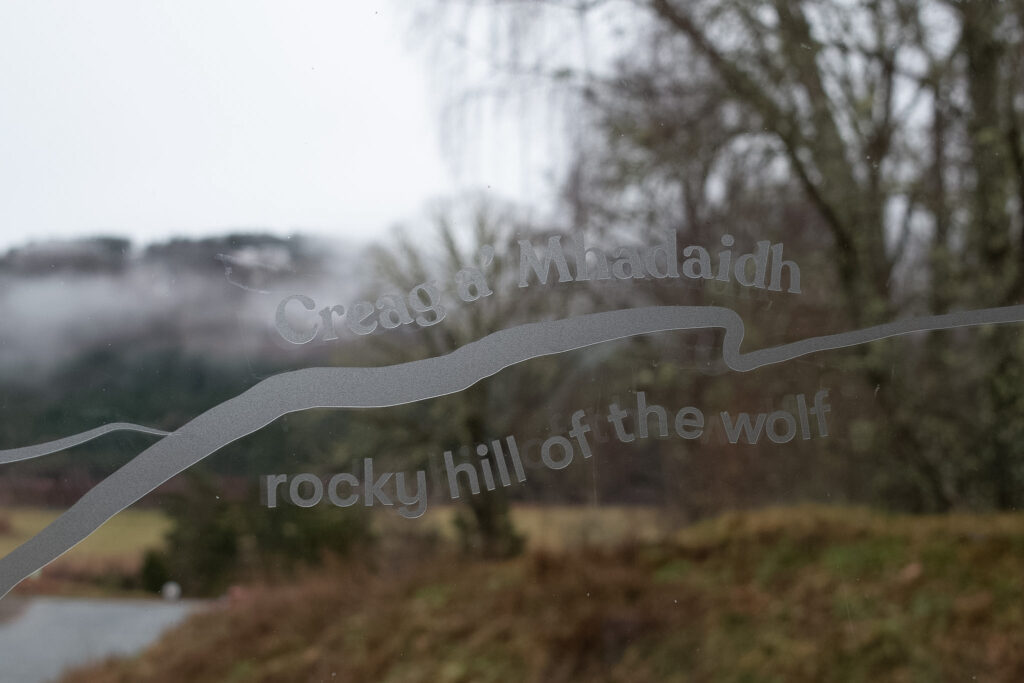
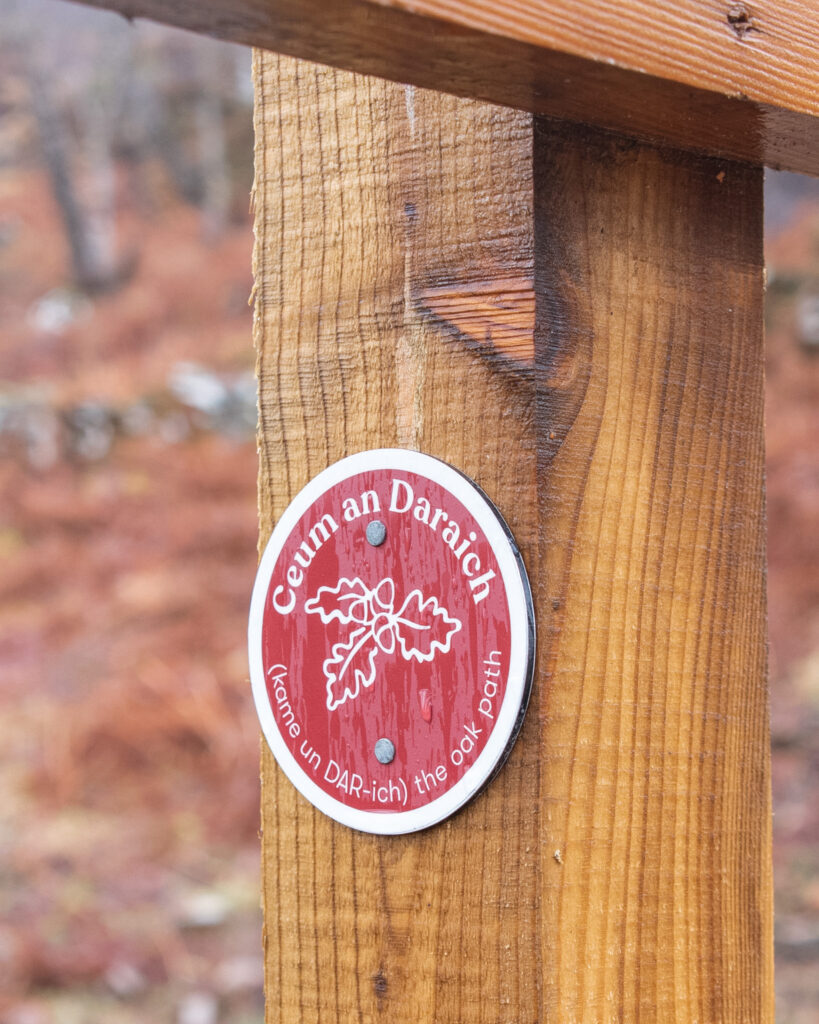
There are several walking trails to explore the ancient pinewood and juniper forests, interspersed with Gaelic history and cultural information. Walking maps are available, or you can book onto a guided walk to learn more about the site and the forest. Walks range in length and difficulty, with several suitable for a short leg stretch if you are driving to or from Skye.
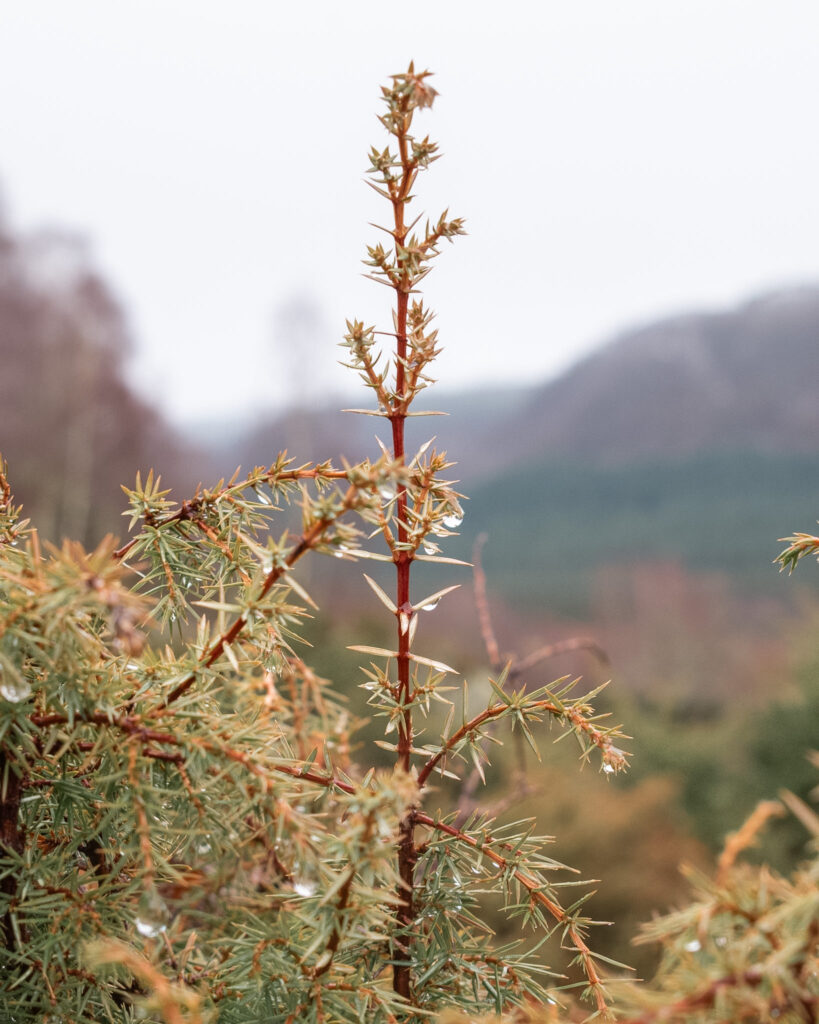
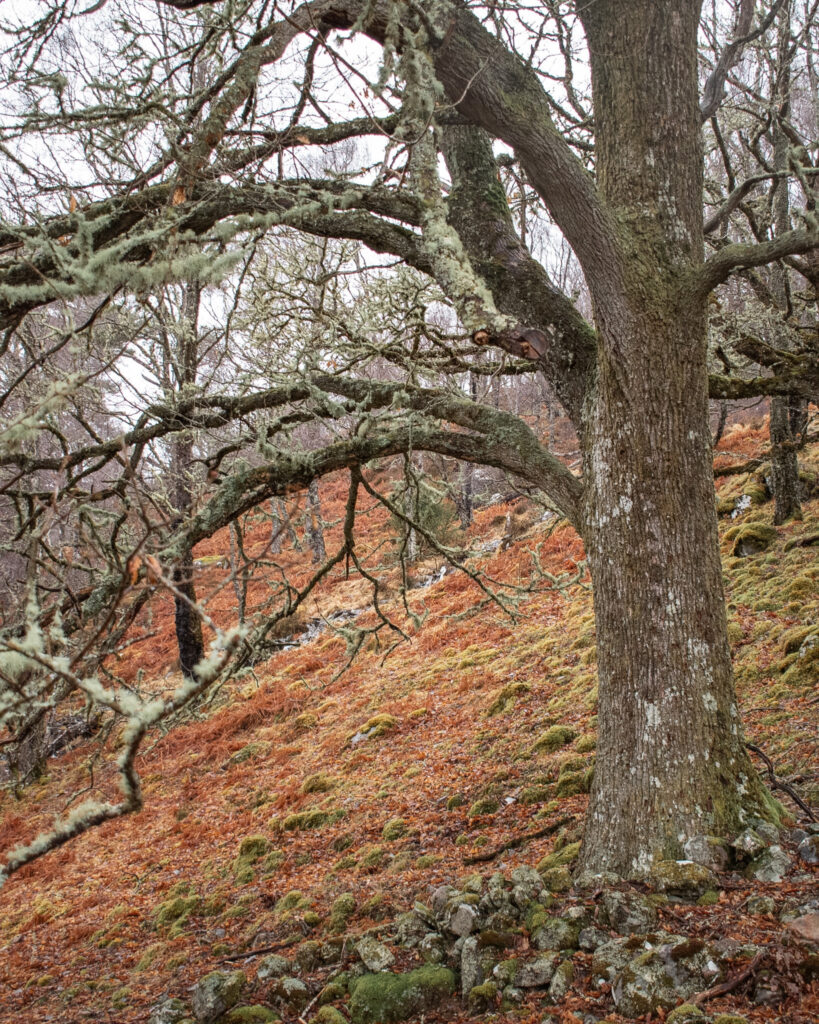
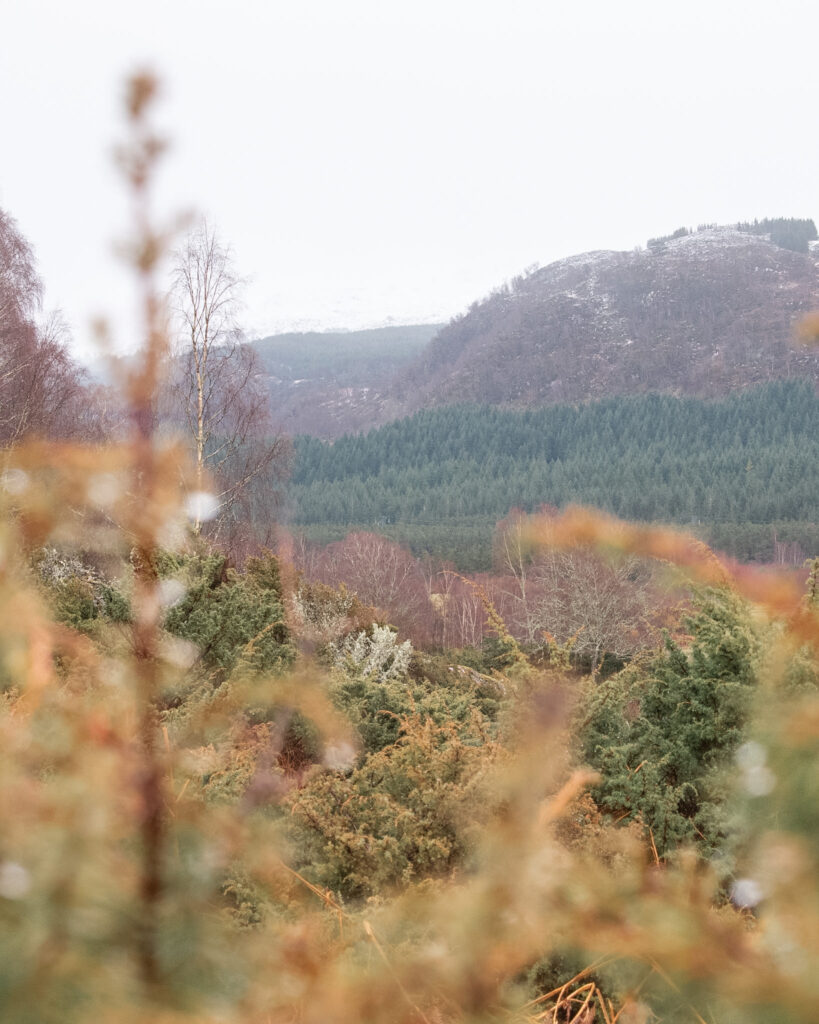
Daily activities include guided forest walks, tree nursery tours, and bushcraft sessions, all of which can be booked in advance online. If you want to do several activities, passes are available for three tours. Adult passes are £25, kids passes are £14 and a family pass (two adults and two children) is £50.
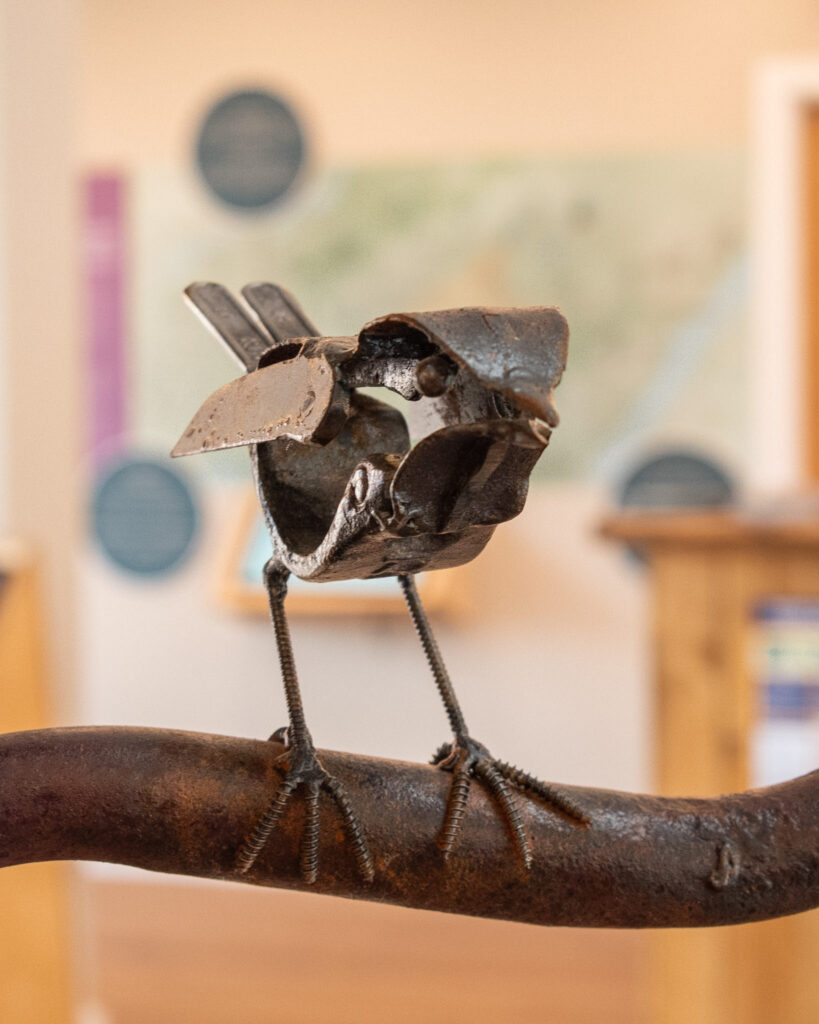
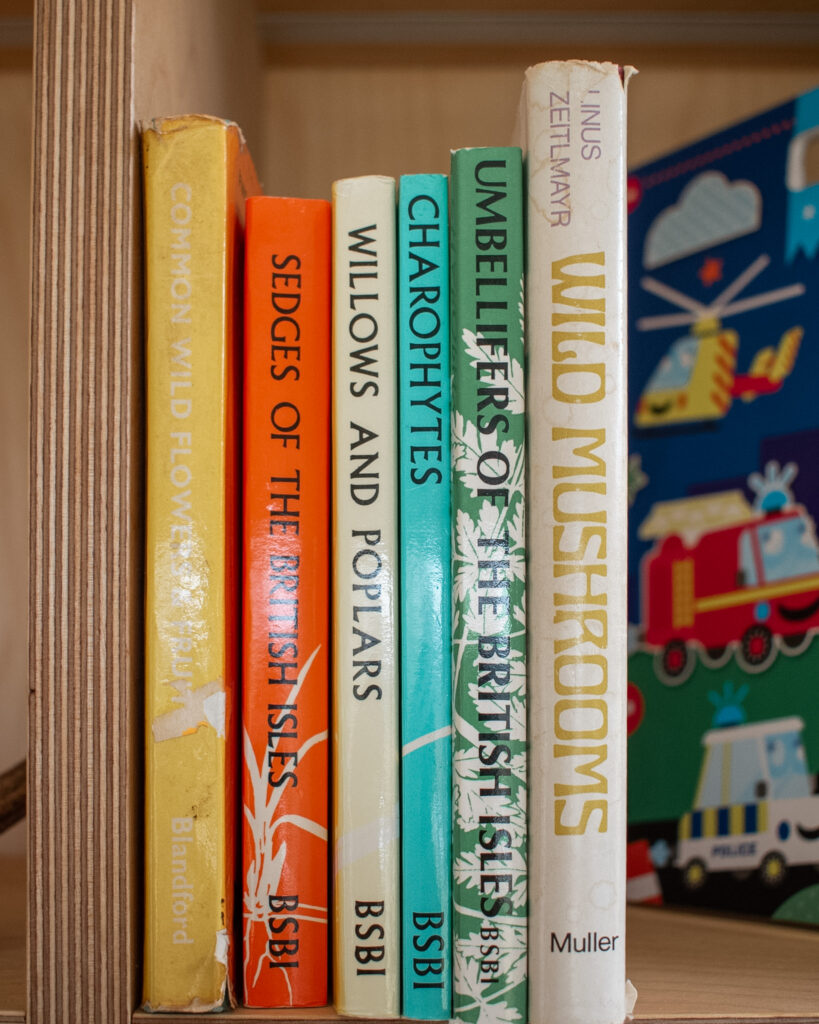
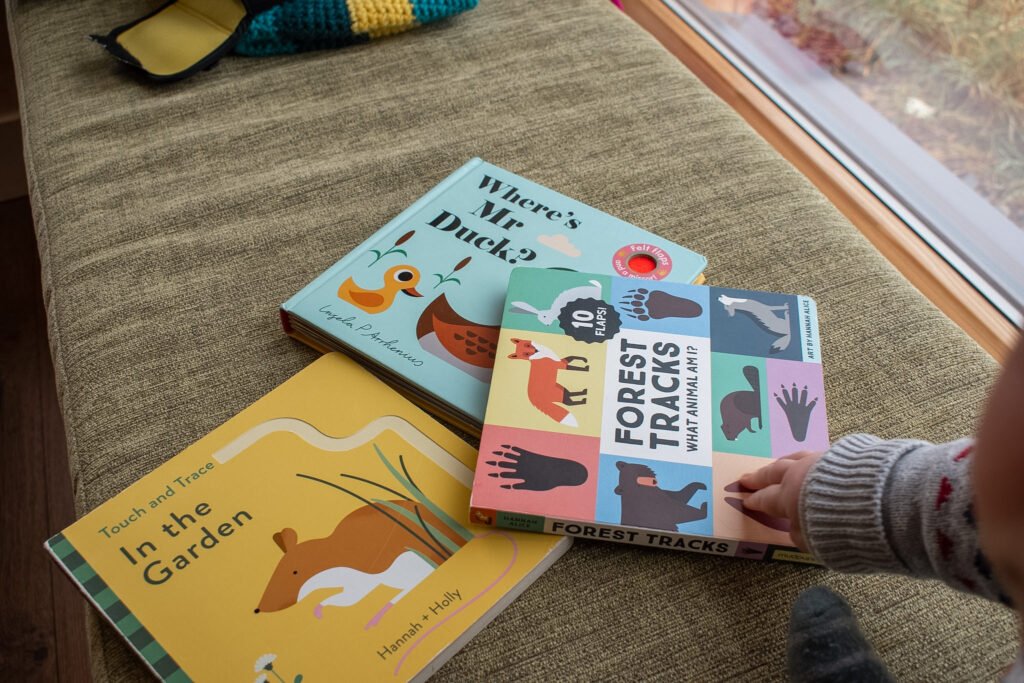
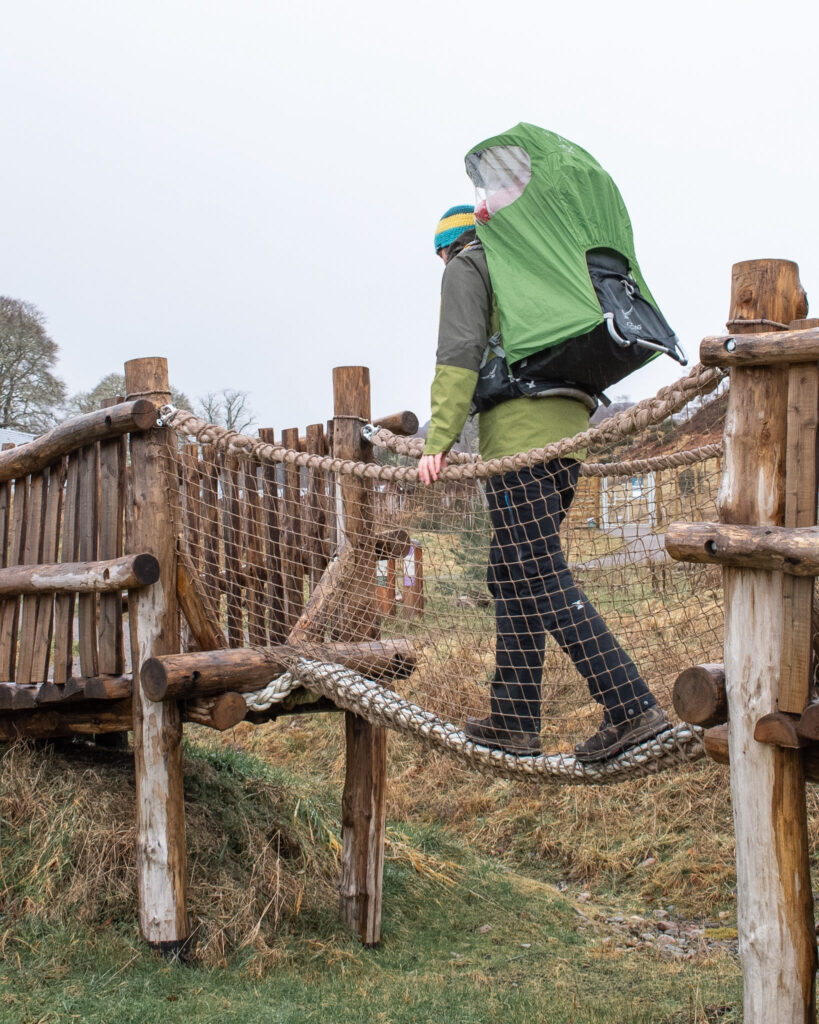
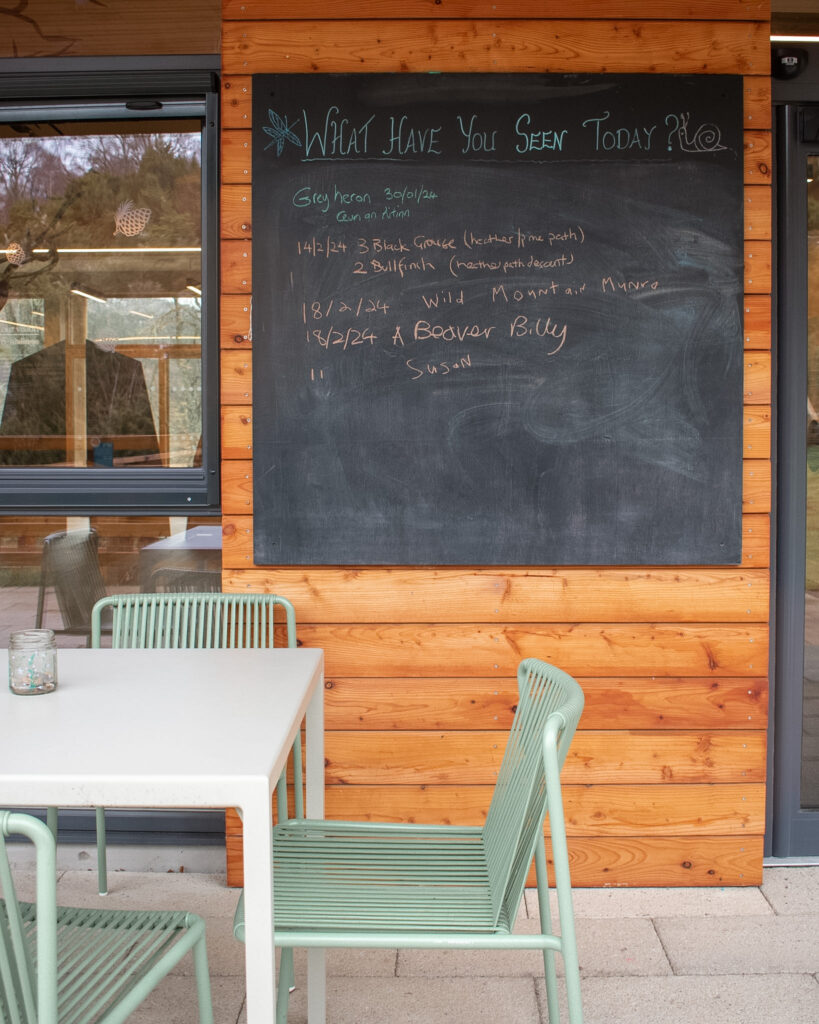
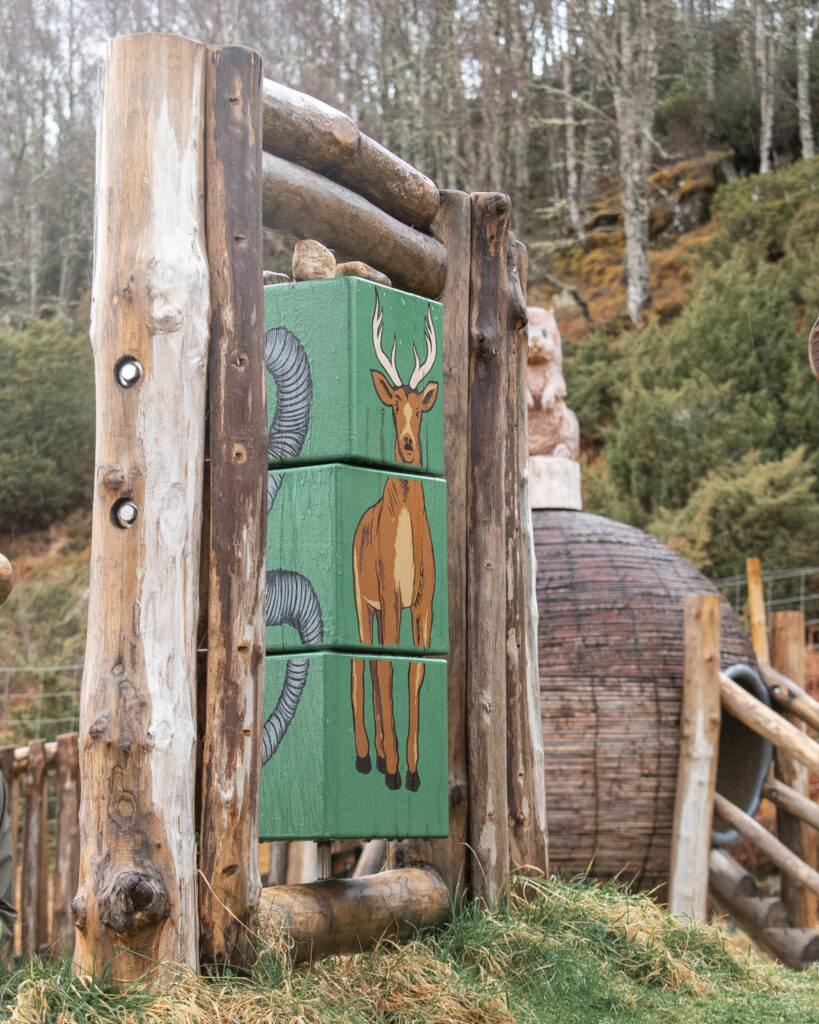
Inside the centre there are a number of free exhibits, on Gaelic culture and folklore, rewilding and the natural world. There is a small library and some lovely places to sit. There was a good selection of books for children – including some suitable for our young toddler. I particularly liked this touch – getting youngsters involved in protecting our natural habitats is surely how we safeguard their future. There is also a small play area and some trails are accessible with a pushchair.
EATING AT DUNDREGGAN REWILDING CENTRE
The small, cosy café – An Nead (meaning ‘the nest’ in Gaelic) – serves a changing menu of seasonal lunches, toasties and cakes. Service was super friendly and the hearty Highland-style lunches, homemade cakes and seasonal soups were tasty, warming and comforting. High chairs are available.
STAYING AT DUNDREGGAN REWILDING CENTRE
If you want to spend longer at Dundreggan or plan to join one of their residential courses they offer eco accommodation in the Highlands, at their accommodation block, An Spiris. There are 20 twin and double rooms, with a communal area, kitchen and boot room. Accommodation is clean and comfortable, but think hostel and self catering vibes, rather than hotel.
Residential courses are also offered, focused on rewilding topics, yoga and restorative nature based experiences.
IS SCOTLAND REALLY WILD?
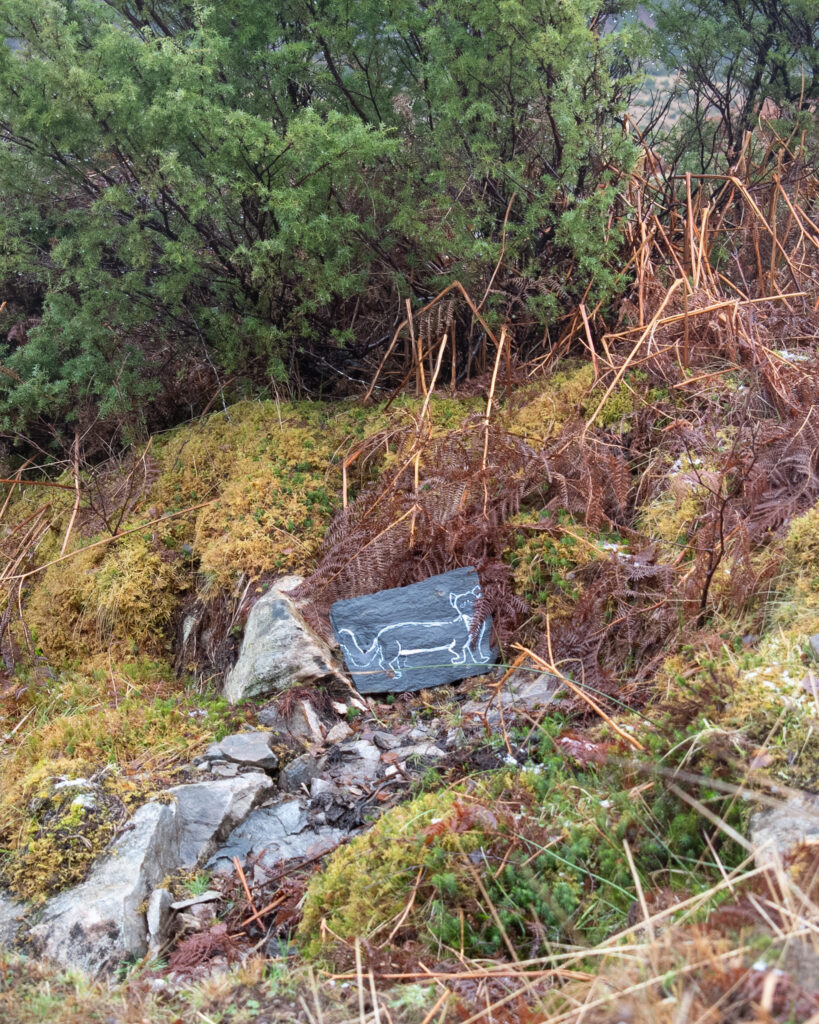
Scotland was once a truly wild place. The Highland tiger (a type of wildcat), wolves, bears, elk and lynx roamed its vast pine forests.
Many visitors today would say they are drawn to Scotland by its wildness. The vast, beautiful landscapes are certainly one of the things I love most.
But environmental experts warn that this is leading to what they term “ecological blindness”, hiding how nature depleted Scotland is in reality.
SCOTLAND’S FORESTS
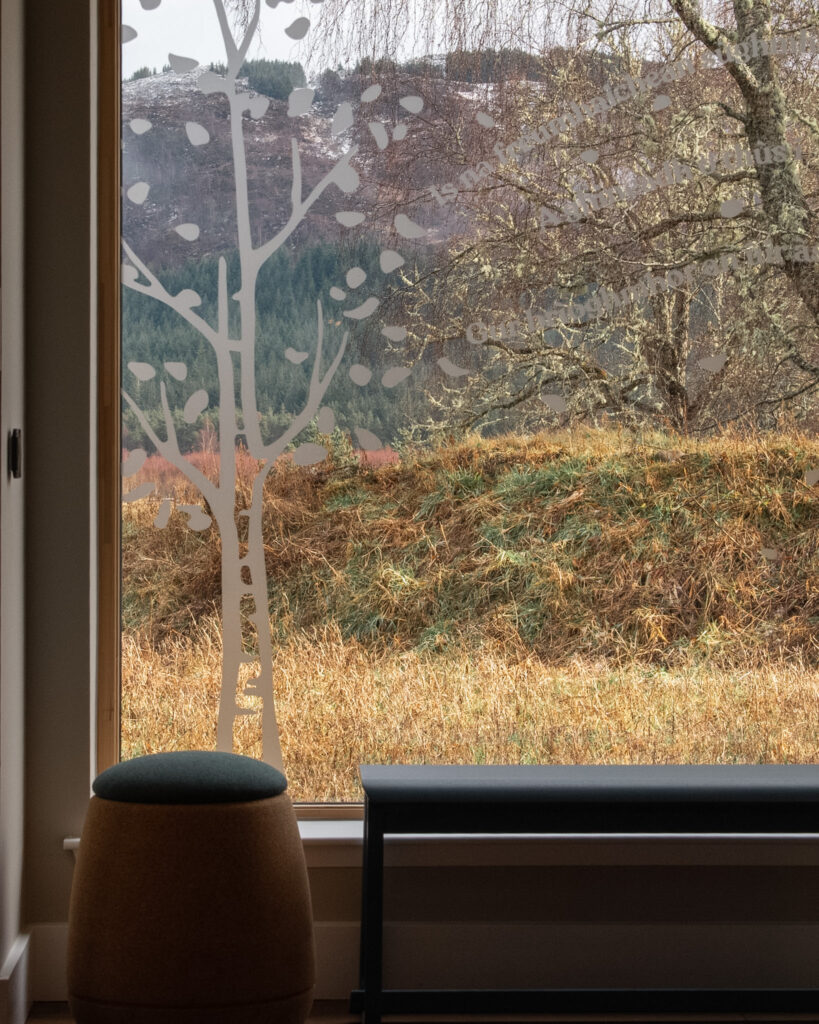
Around 7,000 years ago, much of Scotland was covered by the vast Caledonian Forest. Native species such as Scots pine, birch, aspen, juniper and rowan dominated woodlands. The west coast was home to the Celtic rainforest, filled with oak and birch trees above a forest floor covered in moss, lichen and ferns.
Deforestation, timber felling, grazing land for sheep and cattle, and climate change, has led to the destruction of these ancient forests. By the 1950s, only one per cent of the original Caledonian Forest remained. Now, Scotland only has 4% native forest cover.
Today, rewilding projects across Scotland aim to restore these lost habitats and improve biodiversity.

SCOTLAND’S ANIMALS
Lynx, wolves and boar – all now extinct in Scotland – once lived alongside some of Scotland’s rarest inhabitants like the wildcat and capercaillie. Large populations of wild cattle roamed its ancient forests. In the 1700s, widespread sheep grazing and the introduction of sport shooting made a considerable impact on the biodiversity of Scotland’s landscapes. The last wolf is thought to have been shot in 1743. Over grazing, with regular burning to manage the land for agriculture and sport, further destroyed these ancient habitats and prevented those already damaged from regenerating.
REWILDING SCOTLAND
The rewilding movement has been gaining traction across some of Scotland’s largest estates in the last few decades. Landowners and conservation groups have sought to reintroduce native species, trees and habitats.
Rewilding can be a controversial topic. But I do not think it should be. Few would disagree we need to take drastic action to reverse the damage we have done to the natural world. For me, rewilding is simply about allowing nature the time and space it needs to recover, sustaining itself and us. I want my children to grow up in a world rich in plants and animals, and on a planet that has a positive and viable future for everyone and everything living on it.
I am a firm believer that we therefore need to find ways we – and our way of life – can exist alongside nature, in a manner that is mutually supportive. It does not need to be a binary choice between rewilding and agriculture, or rewilding and traditional ways of life. Read my review of Elmley Nature Reserve to see how other projects are demonstrating that commercial drivers and rewilding can co-exist in a mutually profitable relationship.
Whether you stop for coffee and a short woodland walk, or stay for several days, Dundreggan offers a fascinating introduction to Scotland’s rewilding movement. And a far more memorable road trip stop than the average service station. If you would like to explore more of the UK’s conservation projects, check out my review of our stay at the Emley Nature Reserve. And be sure to browse my guide to Skye to plan your wider Scotland trip.
Leave a Reply