
Visiting Japan has long been near the top of my bucket list, including seeing the famous cherry blossom (sakura) season. I really hope to make it there one day, but we have consistently put it off as it we know it will be busy and (very!) expensive.
So if blossom is your thing, I have a secret, far more understated, location to tide you over until you can make it to Japan… in the heart of the Arabian Gulf! Not what you were expecting right?!
Every spring, the small Omani mountain village of Wakan (قرية وكان) is covered in beautiful pink and white blossom. The residents of Wakan are known for their agricultural produce, growing apricots, grapes and pomegranates in terraced gardens perched on the side of the mountain. It is an easy day trip from Muscat, or a tranquil stop on your tour of the Hajar mountains.
WHEN TO GO
Wakan is a great destination to add to your Oman itinerary year round – in the summer the temperatures are far more bearable than the sweltering heat of Muscat, and in the winter there are miles of hiking trails to explore. To see the blossom, you need to be here between mid-February and mid-April.
GETTING THERE
Wakan is a small mountain village in Oman’s Nakhal Governate, sitting at about 2000 metres above sea level. It can only be accessed by 4×4 as the road up is pretty rough and rutted in places, as well as being narrow and steep. There are some scary videos on YouTube that make the road seem significantly worse than it actually is. The last 100 metres is the steepest, but as long as you take it slowly, it is absolutely fine.
WHAT TO DO
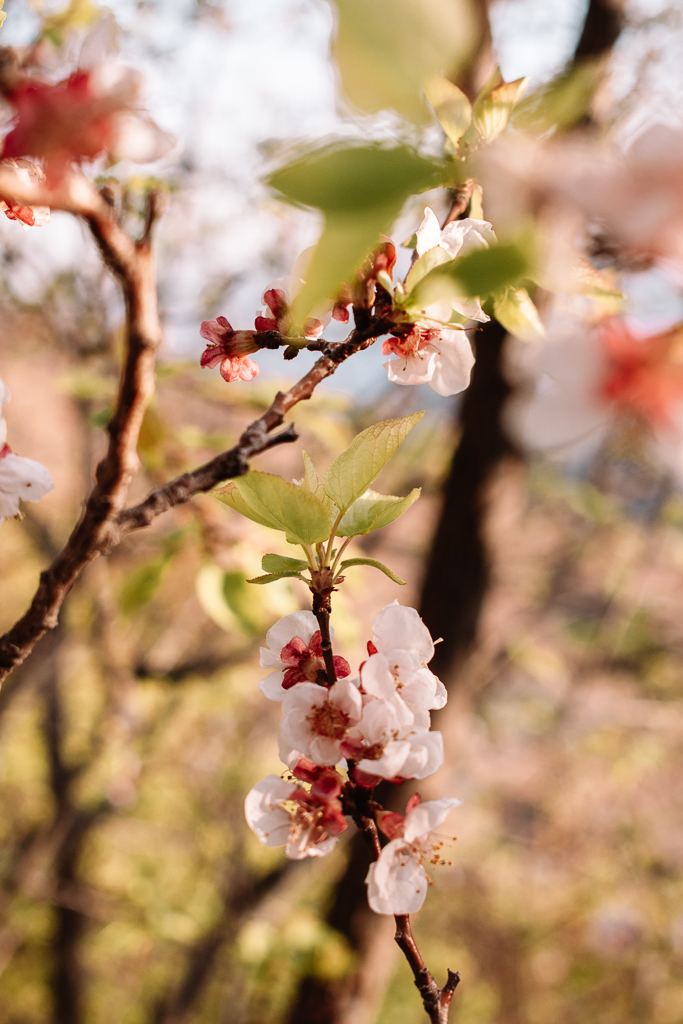
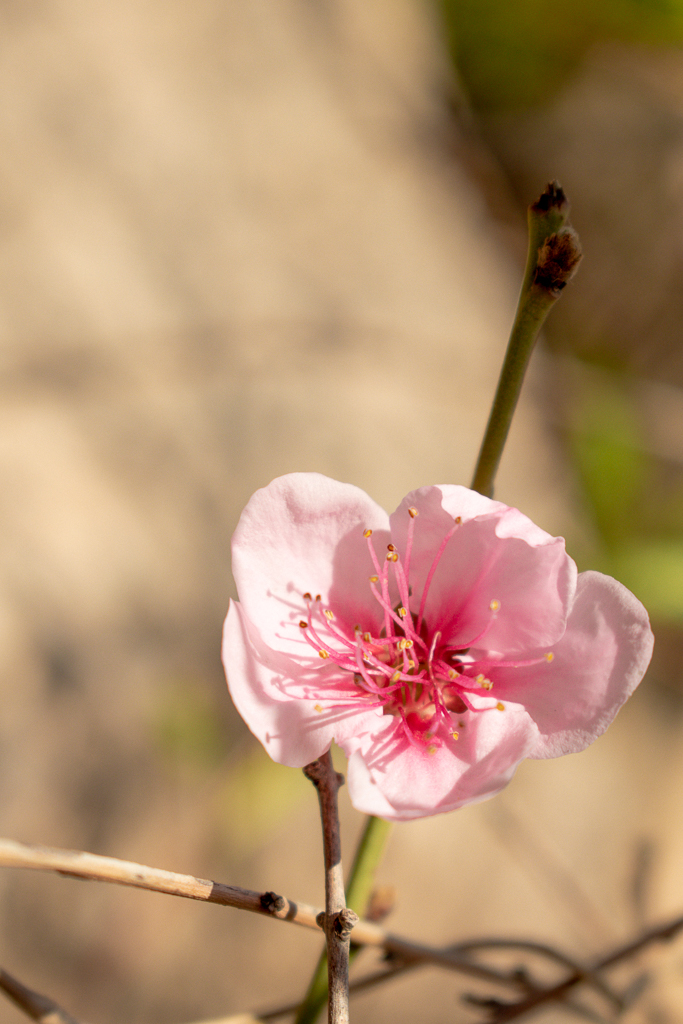
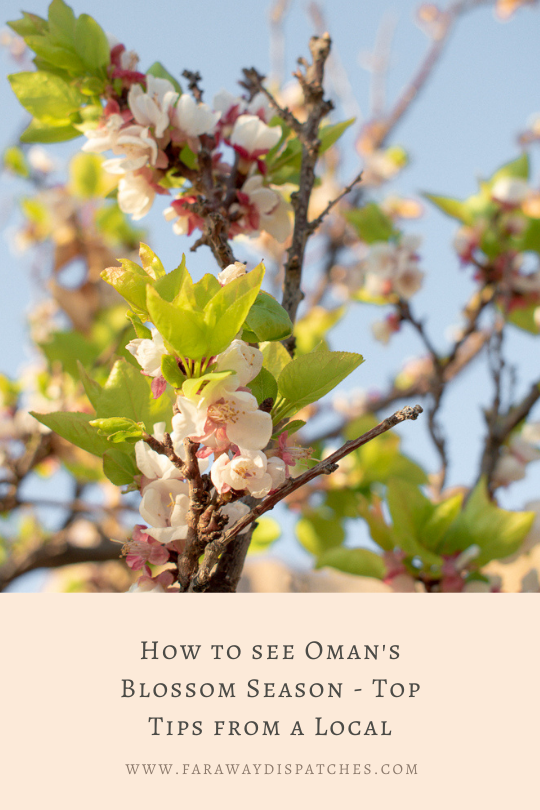
See the blossom or the fruit harvest – between mid-February and mid-April Wakan is awash with flowering apricot (white flowers) and pomegranate (pink flowers) trees. The blossom attracts hundreds of butterflies and bees, who come to feed on the nectar.
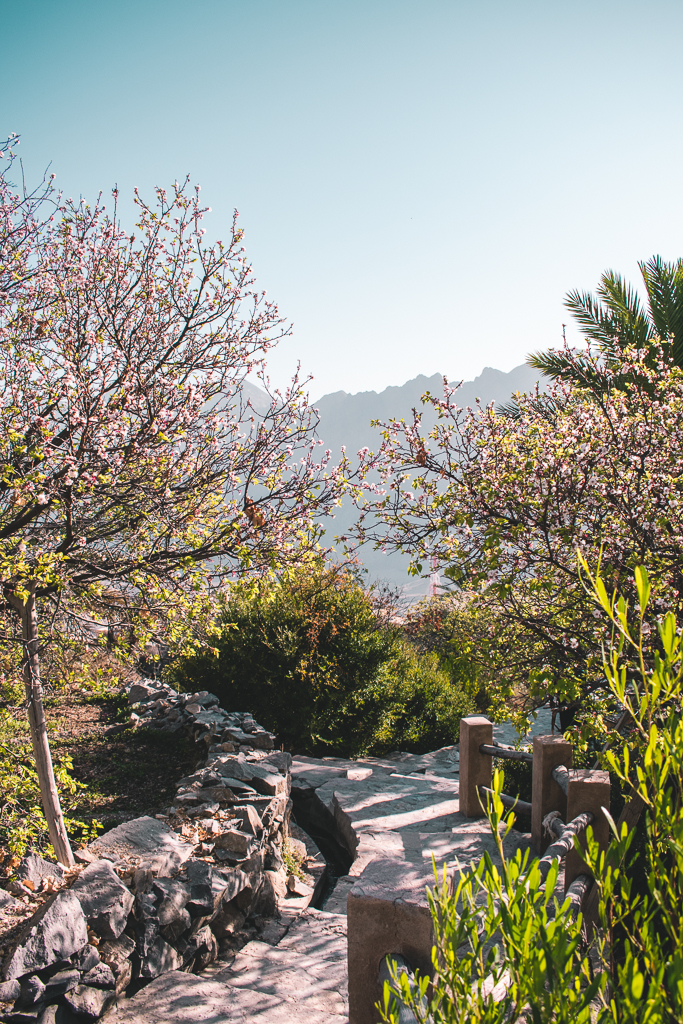
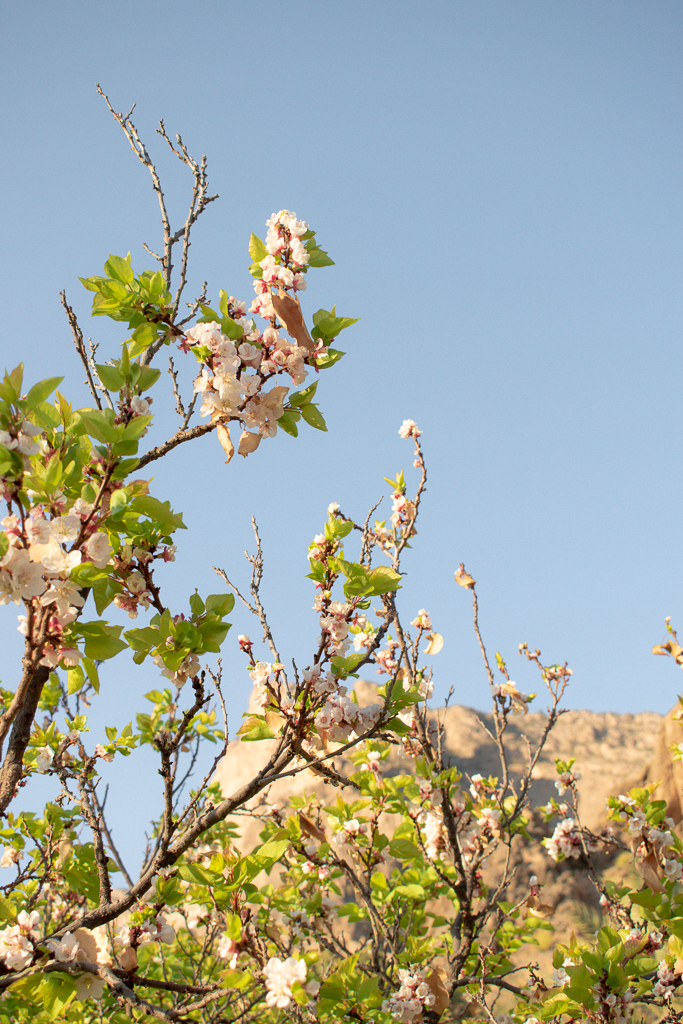
The later you come in the season, the more likely harvesting will have started as villagers fill seemingly endless baskets with honey-coloured fruit, but the blossom will likely be less abundant.
Just remember that Wakan is a residential village – stick to the marked paths and do not pick blossom or fruit, no matter how tempting they might look. This is the inhabitants’ livelihood, so if you fancy an apricot, they will be more than happy to sell you some to enjoy with your picnic. As you walk up the steps to the top of the village there will likely be a number of stalls selling local produce such as fruit, honey and (my favourite Middle Eastern herb blend) za’atar.
Hike – if blossom and delicious fruit are not your thing (really?!), then come to Wakan for the hiking!
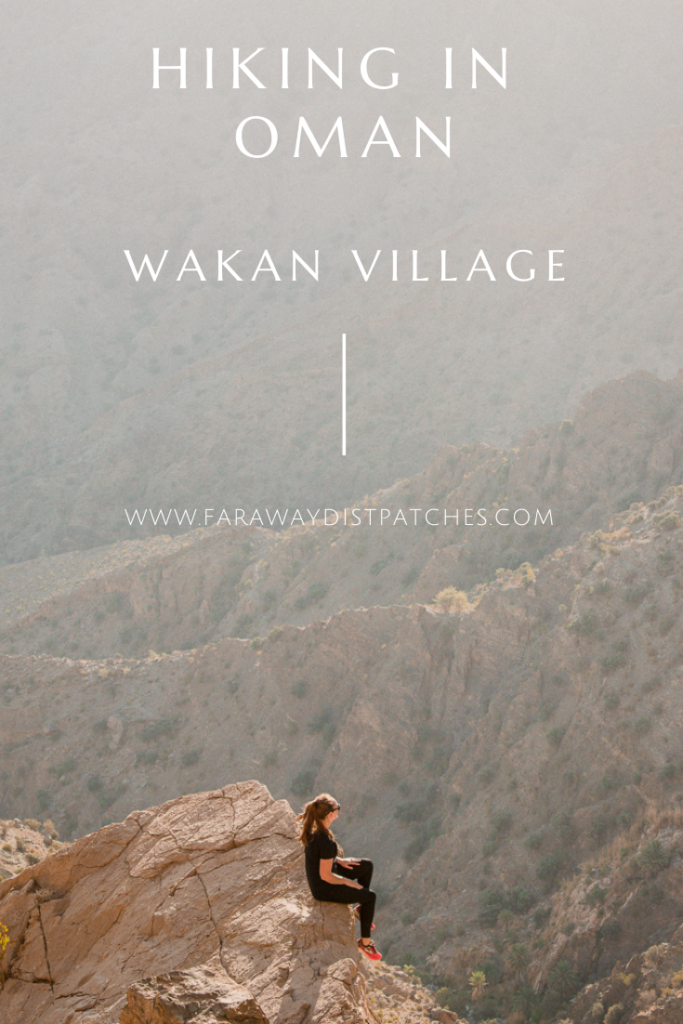
The most common route is also the easiest. Around 700 steps weave past the terraced gardens to a watch tower at the top. The best spot to watch the sun rise over the village is actually half way up, so pause there on your way to the top. Allow about thirty minutes to get up to the watch tower – although there are lots of view points and places to stop for a rest or a picnic if you want to take your time.
For the more adventurous, there are three main national trekking routes around the village – W25, W24a and W24b.
Route W25 takes you from Wakan (the walk starts where the steps to the watchtower end) to the highest point on the plateau, the Wakan Pass, and route W24a takes you back down the other side to the village of Hadash. The views back down the wadi bed and valley are vast. The total walk (W25 and W24a) will take around 6-7 hours, and you will need to arrange transport back to the start. It is about a half hour drive between the two villages. Wakan to Hadash is a fairly steep hike, whichever direction you do it in – so definitely one for your hiking poles to save your knees on the way back down!
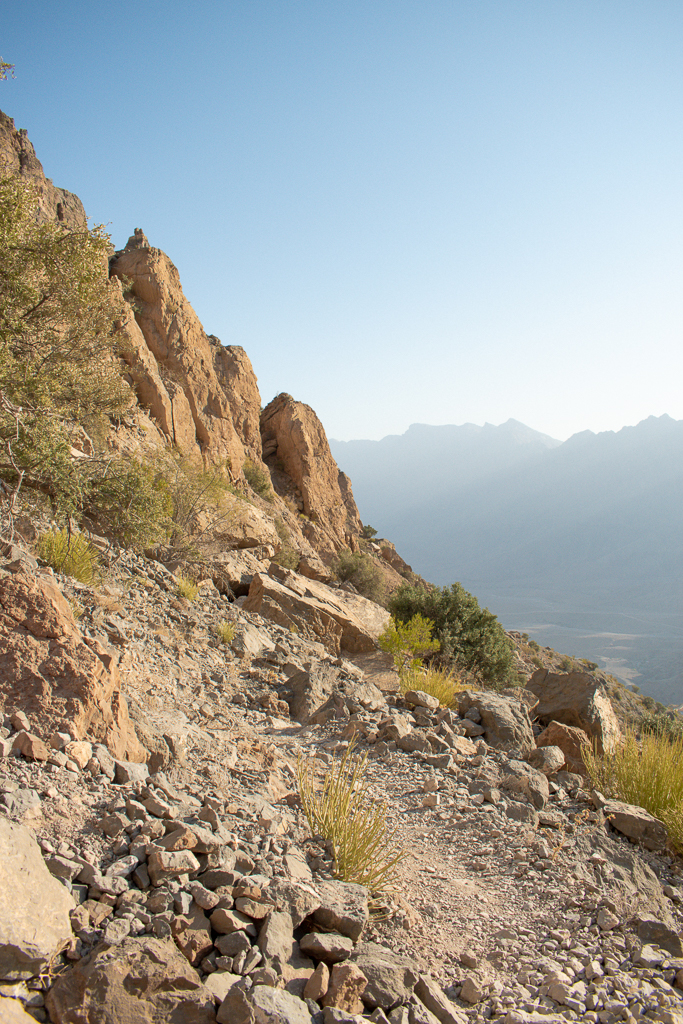
Route W24b offers an alternative route between the two villages, which only takes about three hours but lacks the spectacular views that W25/24a offer.
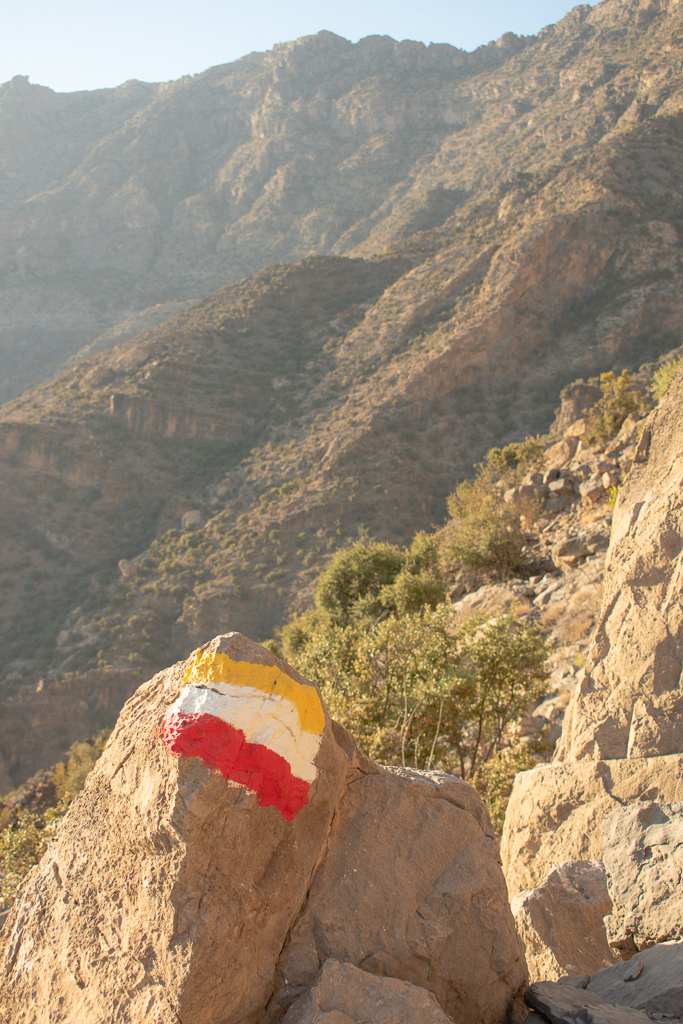
All trails are marked by the familiar yellow, white and red flag that denotes most Omani hiking routes. For the most part, the paths are very well defined and easy to follow. There are a few areas on both the W25 and W24a where the route is quite exposed, and if you are nervous about heights you may find it a bit hard going. But none of it is too extreme, and there are railings along the steepest drops.
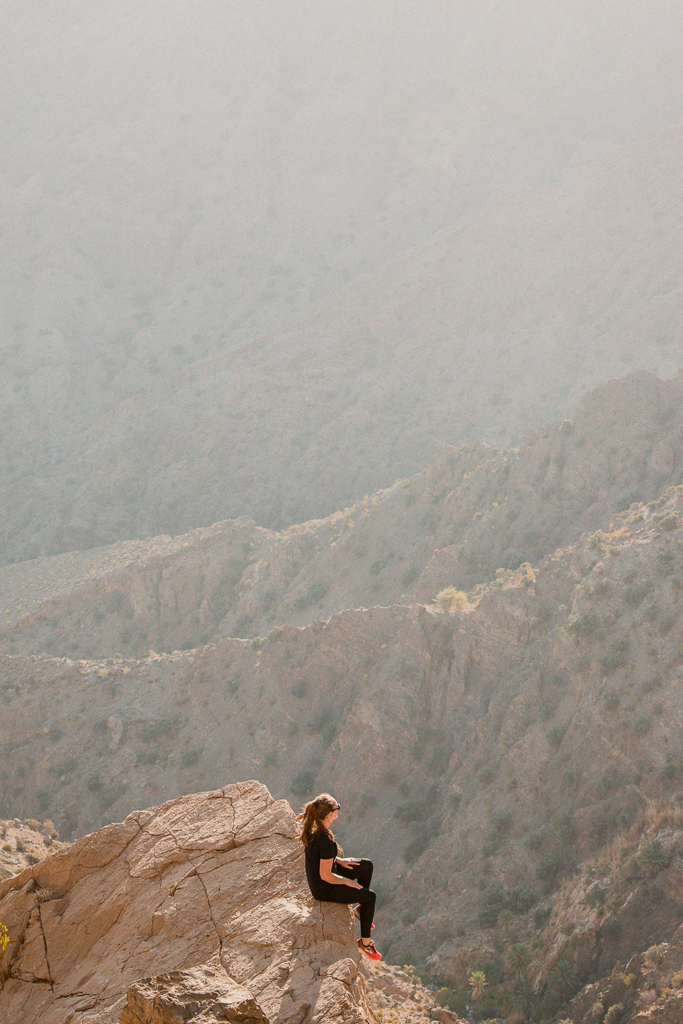
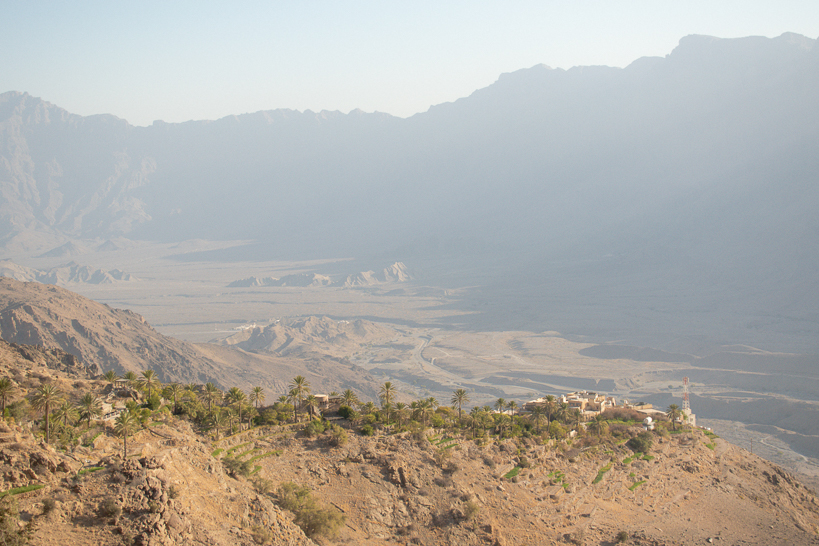
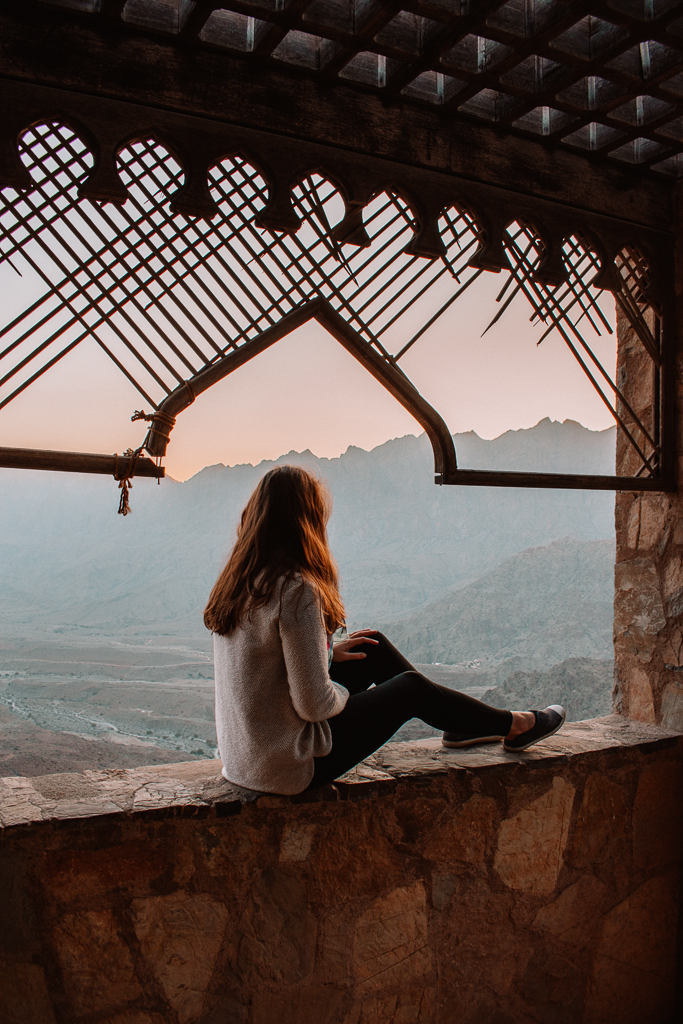
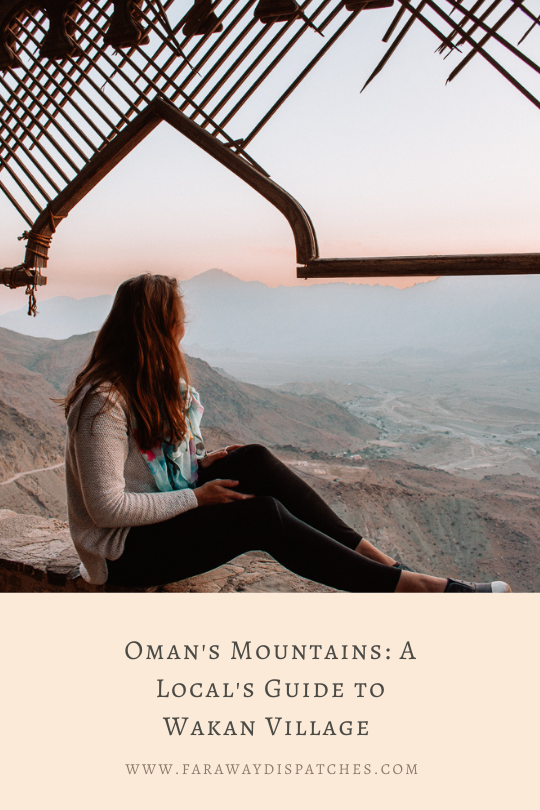
Admire the views – if you really don’t want any exertion, there is a viewing platform right next to the visitor’s centre as soon as you enter the village. Although the views aren’t as dramatic, they are still pretty impressive. Alternatively, you can head to Sama Wakan Heritage Hotel right next door to sit on their terrace with a coffee and a good book.
WHERE TO STAY AND WHERE TO EAT
As Wakan is only 150km from Muscat, it is a great day trip. But I recommend staying if you can as it is hard to beat enjoying the blossom in the solitude of the early morning before the majority of the crowds arrive. The village starts to get busier from about 8:30am/9am onwards.
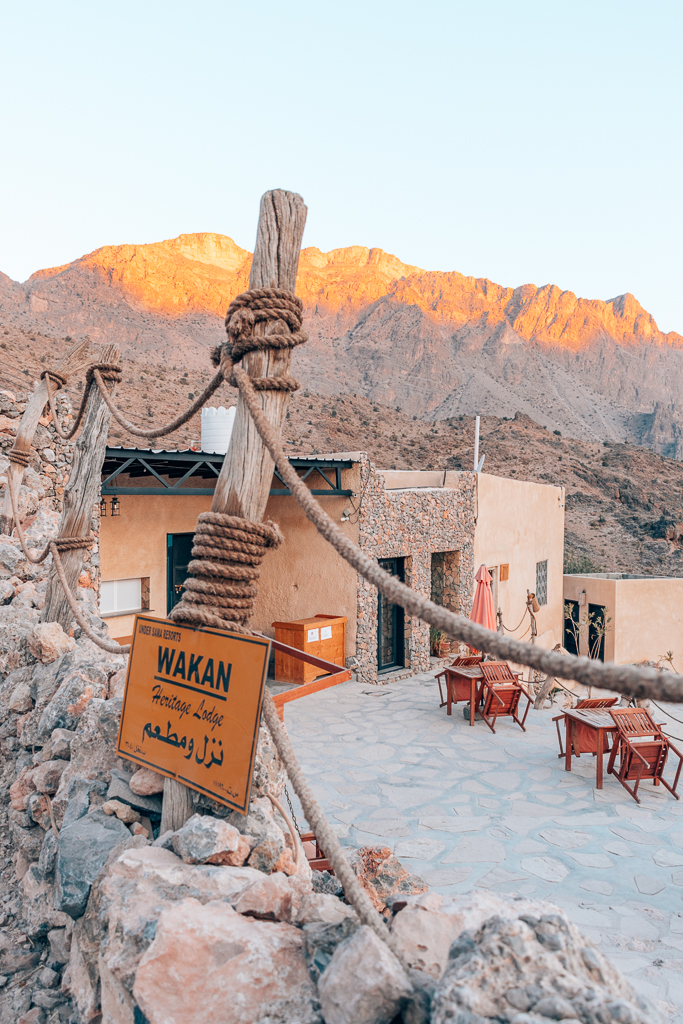
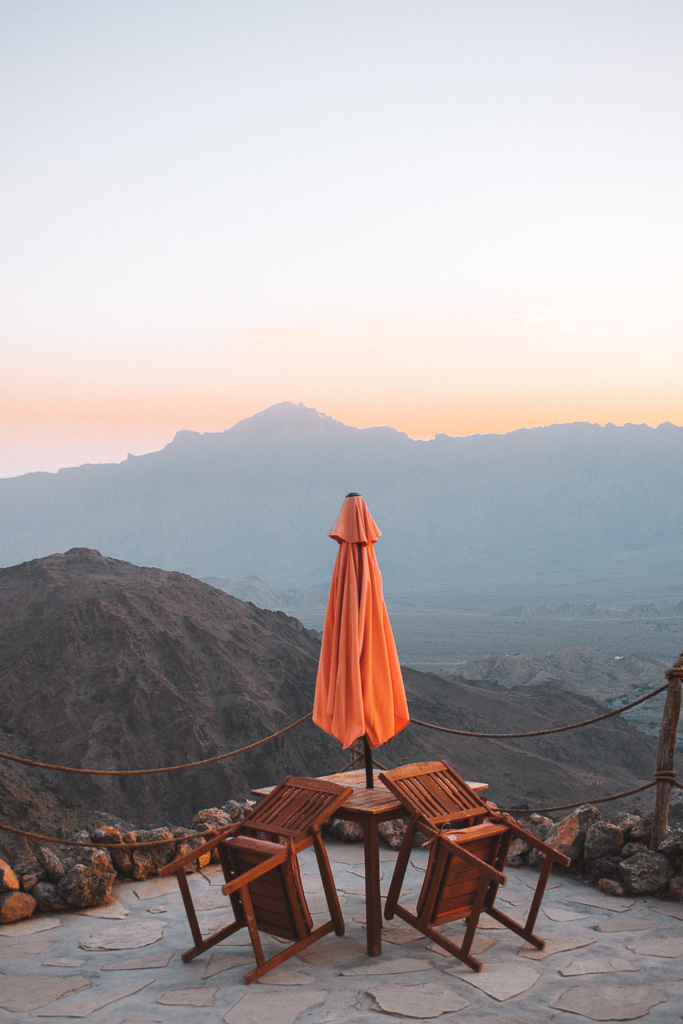
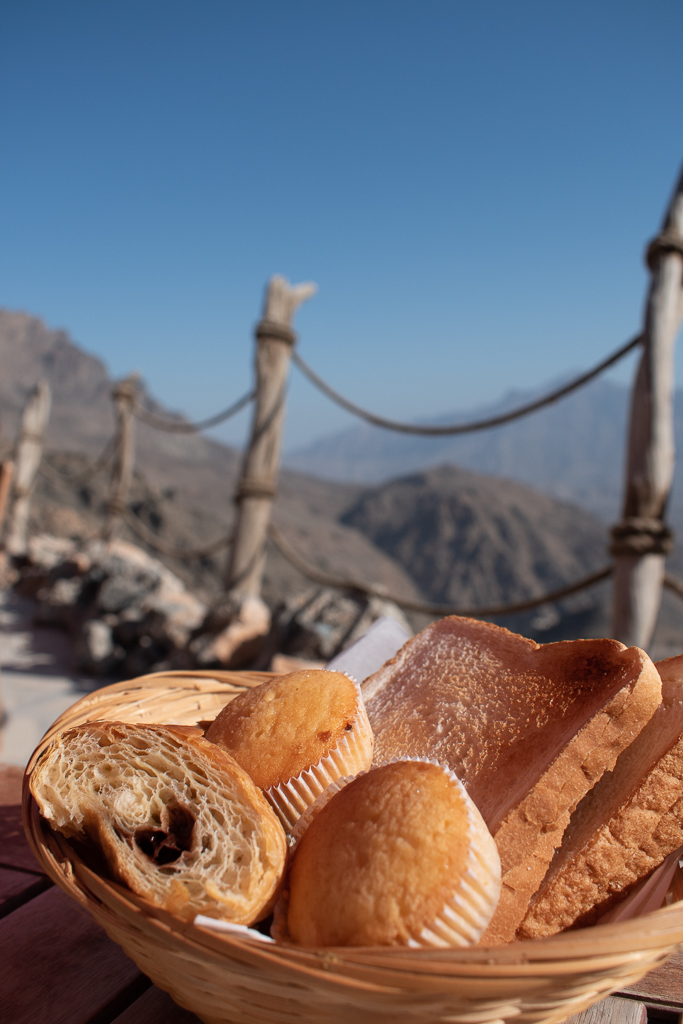
There is only one option for accommodation in Wakan – the sweet Sama Wakan Heritage Hotel. Rooms are basic but comfortable, with added heritage details. It is also the only place to eat in the village, and a simple (but very tasty!) dinner and breakfast are included in the price.
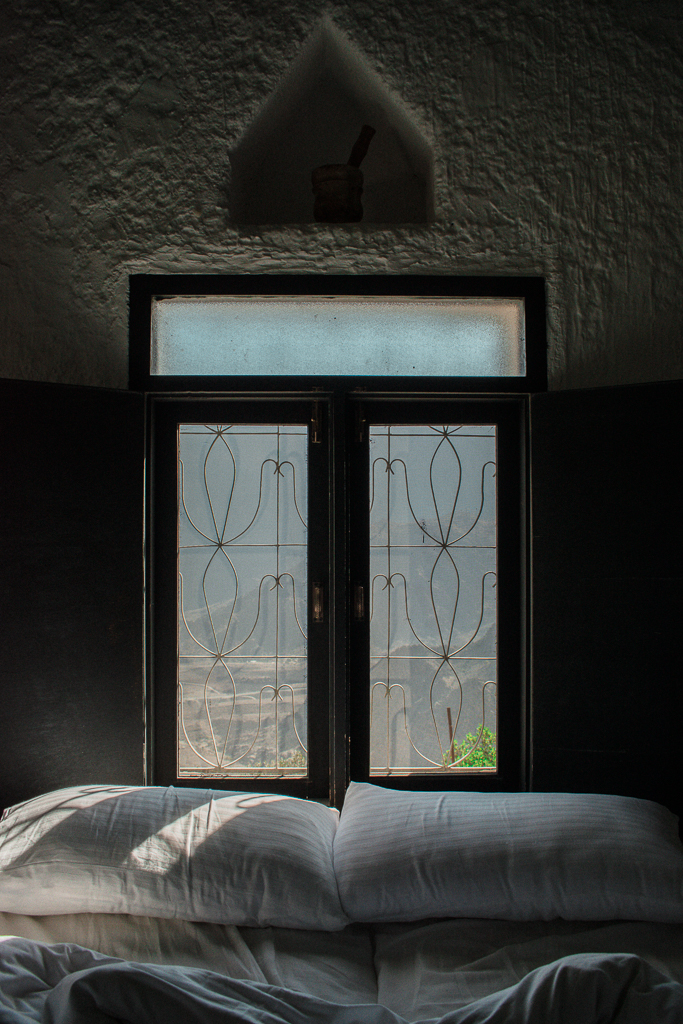
If you would like to camp, do so in the valley below, not the village itself. Whilst residents are incredibly welcoming, as the village is perched on the side of a mountain there is very little ground not covered by gardens or homes.
If you plan to camp just remember to chose a spot on higher ground, out of the wadi bed. It may seem impossible to believe in the desert landscape, but flash flooding is not uncommon and sadly every year people are killed when they are caught out whilst camping in wadis.
I really hope this guide has put a “spring” in your step, and shown you a less well known side of Oman! If you are looking for more things to do in Oman, check out my guides to the country I currently call home.


Leave a Reply