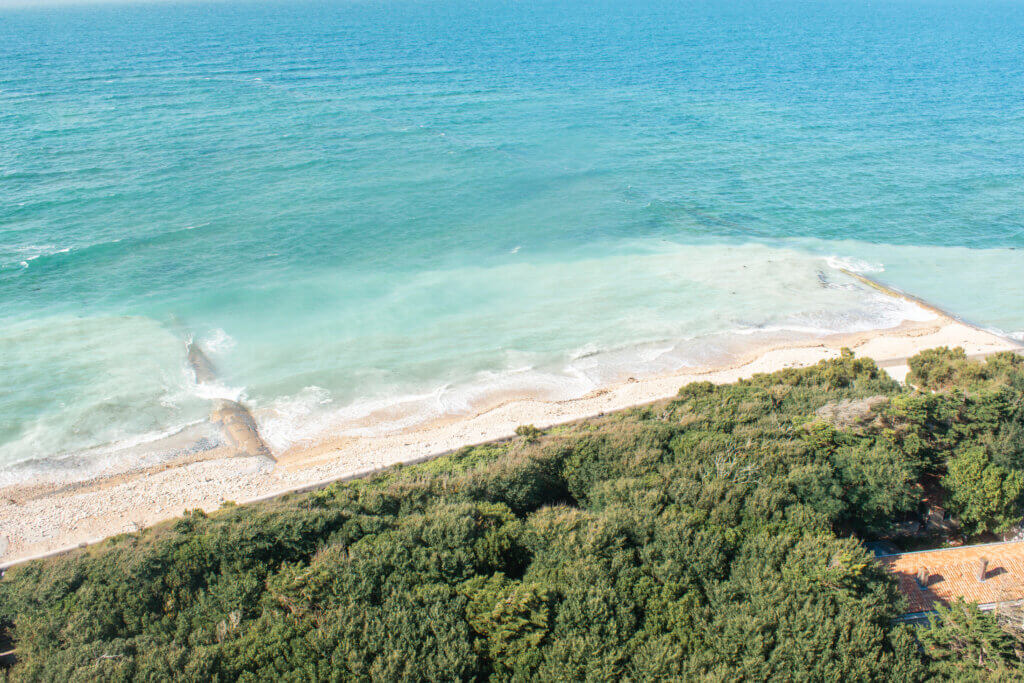
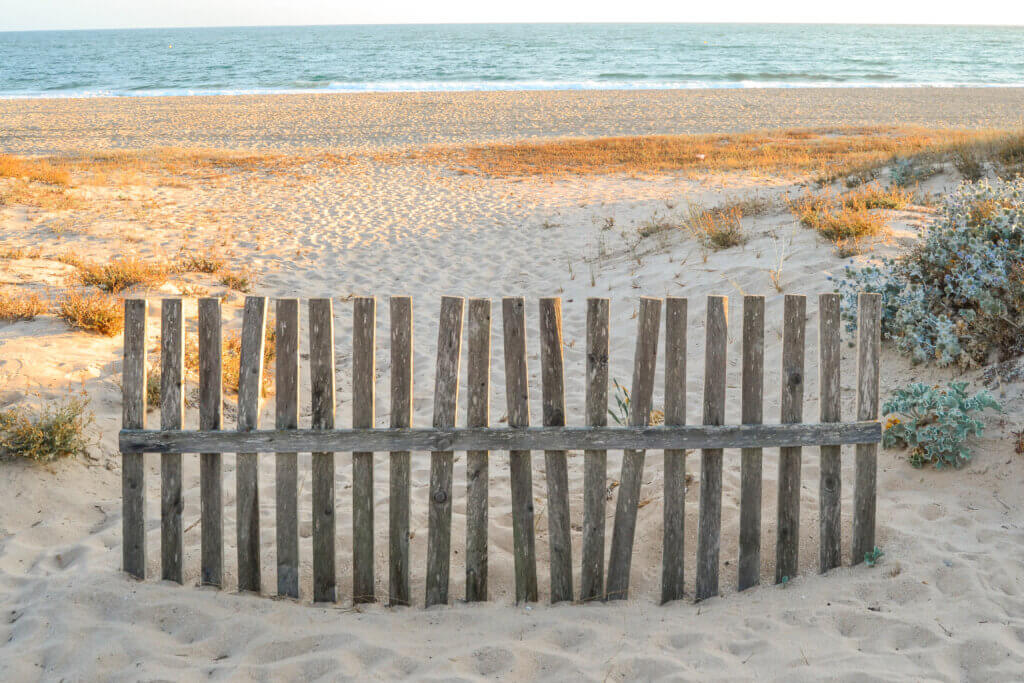
One of the things that surprised me most about Île de Ré was how wild some of its beaches feel. Which it really shouldn’t. Despite its upmarket reputation, this is France’s wild Atlanic coast. There are fashionable seaside resorts here, certainly, but there are also long expanses of sand, dunes, pine trees and huge skies. Some genuinely reminded me of beaches back home in Northumberland.
For families, the choice is particularly good. You can find sheltered water for younger children, Atlantic beaches for swimming and watersports, and wonderfully wild stretches where the main attraction is simply sand, sea and space.
These are my picks of the best beaches on Île de Ré for families, including where to swim, where to spend the whole day and what to know about parking, toilets, tides and lifeguards.
For everything else you need to know — from getting there and getting around to beaches, markets, restaurants and things to do — read my complete Île de Ré guide.
THE BEST ÎLE DE RÉ BEACHES AT A GLANCE
Best overall: Plage des Gollandières
Best for toddlers: Plage de l’Arnérault
Best for swimming: Plage du Peu Ragot
Best wild beach: Plage de Trousse-Chemise
Best for watersports: Rivedoux-Plage
Best near restaurants: Plage de l’Arnérault, La Flotte
Best for a full beach day: Plage de Gros Jonc
Best for sunset: La Conche des Baleines
Best overall: Plage des Gollandières, Le Bois-Plage-en-Ré
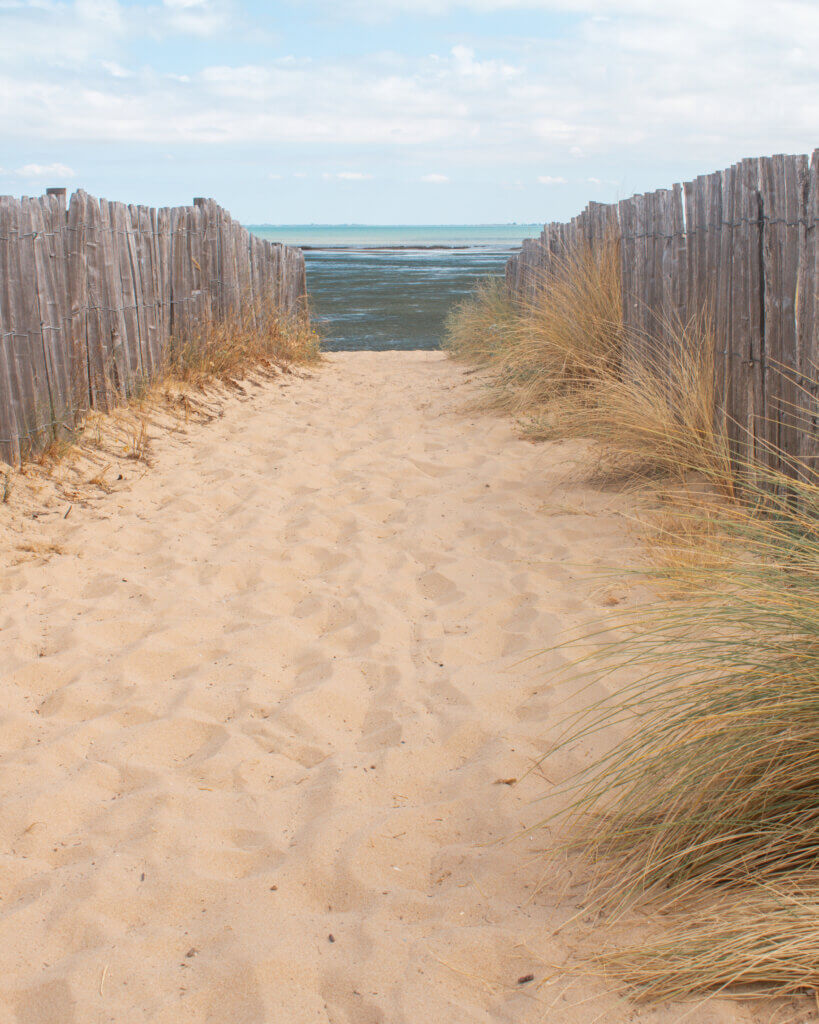
If you want one beach that works for almost everyone, Plage des Gollandières is difficult to beat. This enormous sandy beach stretches for several kilometres and has plenty of space for swimming, sandcastles and beach games. It’s also lifeguarded in July and August and has toilets, showers, free parking nearby, a children’s club and watersports facilities. It really reminded me of the beaches I grew up with on the spectacular Northumberland coast – wide open sands, gorgeous, gorgeous dunes and a slightly wild feel. I simply love this – it is where I am happy!
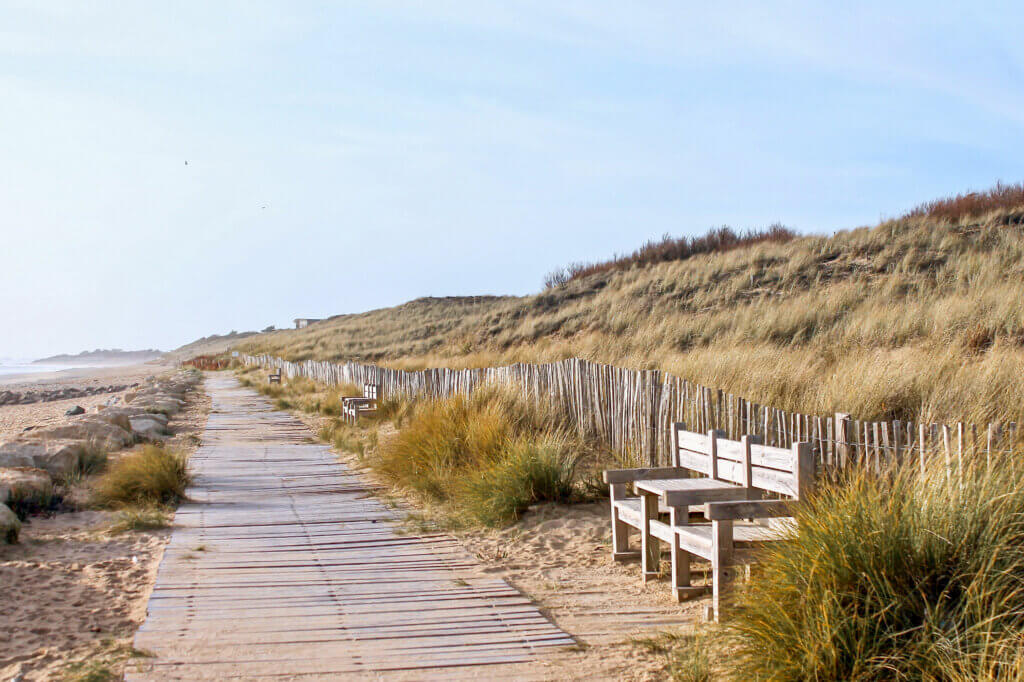
I particularly liked the Passerelle des Gollandières, the wooden boardwalk running alongside the coast. It makes a lovely combination with time in Le Bois-Plage: market or village in the morning, followed by the boardwalk and beach in the afternoon.
Good to know: Free parking nearby | Toilets and showers | Lifeguards in July and August | Easy by bike | Limited natural shade on the beach | Atlantic conditions can vary, so check the flags and tides before swimming.
Best for toddlers: Plage de l’Arnérault, La Flotte
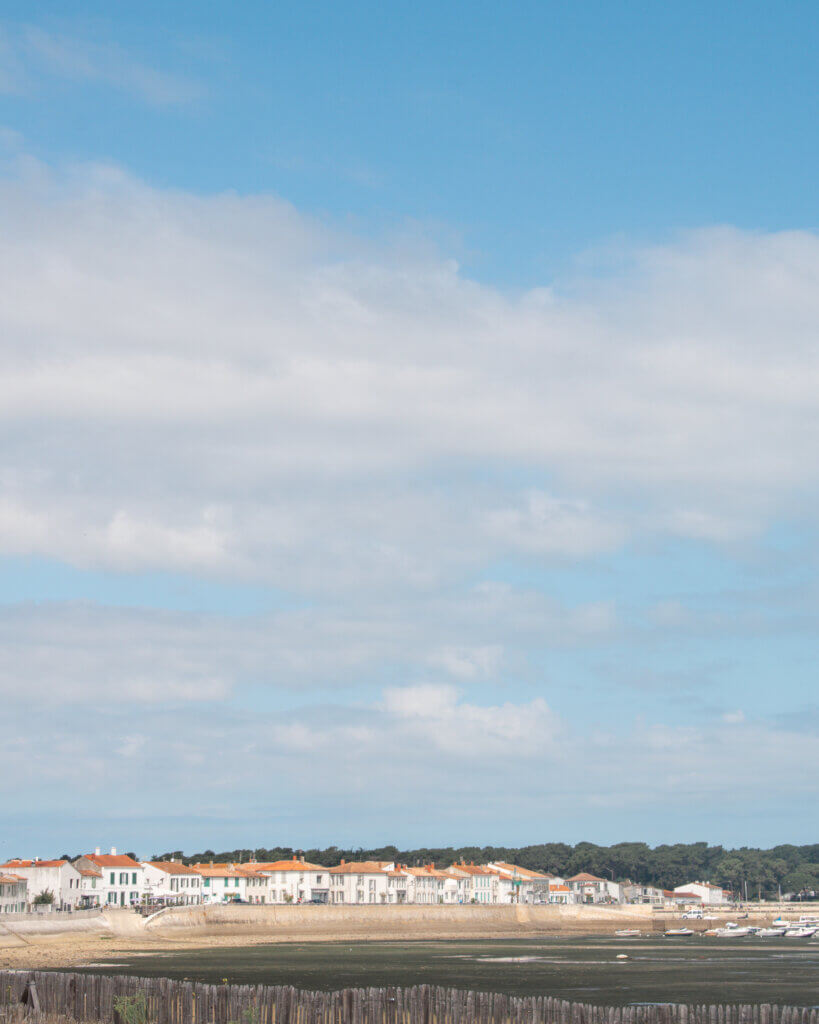
For smaller children, Plage de l’Arnérault has the advantage of sitting in a sheltered bay rather than facing straight out towards the Atlantic. The 500-metre sandy beach is just a few steps from La Flotte’s harbour and village centre and is supervised during the summer.
It’s also my pick if you want a family beach close to restaurants: being able to abandon the picnic plan and wander into La Flotte for lunch or an ice cream is a considerable advantage with small children.
Good to know: Parking nearby | Toilets and showers | Summer lifeguards | Restaurants and cafés within easy walking distance | Easy by bike | Little shade on the sand | Sheltered swimming, but still check tides and daily conditions.
Best for swimming: Plage du Peu Ragot, La Couarde-sur-Mer
For a proper family swimming day, head for Plage du Peu Ragot at La Couarde-sur-Mer. This Blue Flag sandy beach is specifically recommended for swimming and is the only supervised beach in La Couarde. There’s also a children’s beach club and watersports centre. As at 2026, lifeguards are on duty from 4 July to 30 August, 11am–7pm.
It’s a particularly useful option for families who want the reassurance of good facilities alongside a beautiful beach.
Good to know: Free parking | Public toilets | Lifeguards in peak summer | Children’s club and watersports | Good bike access | Little natural shade | Good for swimming, although tides and Atlantic conditions still matter.
Best for watersports: Rivedoux-Plage
The first village you reach after crossing the bridge from La Rochelle, Rivedoux-Plage has an enormous, broad beach where sails and boards dot the water.
This is a good choice for older children and teenagers who want something more energetic than cycling. Around the south beach you can try activities including sailing, windsurfing, paddleboarding, surfing and other watersports, with lessons and equipment hire available. The supervised section of Plage Sud also has free parking, toilets, a children’s club and a restaurant/bar nearby.
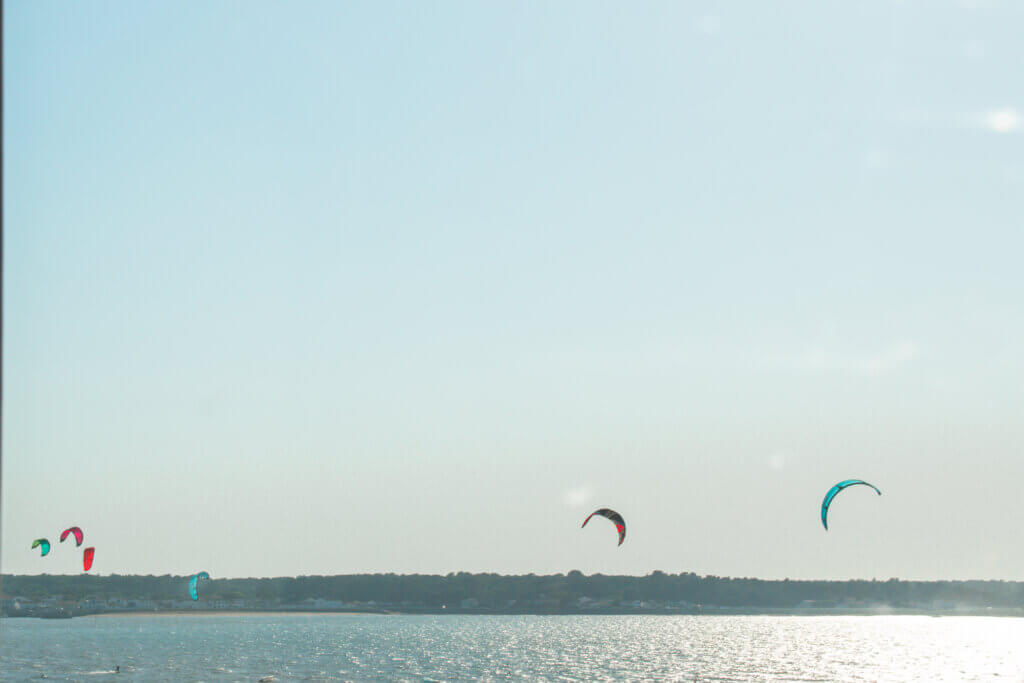
Book ahead in July and August, particularly for lessons or a specific time slot, and don’t become too attached to a rigid timetable: wind, weather and tides can determine when activities operate. If you’re staying locally, booking for the beginning of your holiday gives you some flexibility to rearrange should conditions prove uncooperative — the Atlantic, after all, doesn’t pay much attention to itineraries.
If watersports sound a bit too energetic, but you are still keen to get out on the water, there are some gorgeously elegant sunset catamaran cruise to pick from. It is a very relaxing way to round off a day on Île de Ré, I’d recommend exploring the cruises departing from either Saint-Martin-de-Ré or La Flotte.
Good to know: Free parking | Toilets | Lifeguarded section in summer | Food nearby | Bike access | Little beach shade | Excellent watersports | Wind, waves and tides vary.
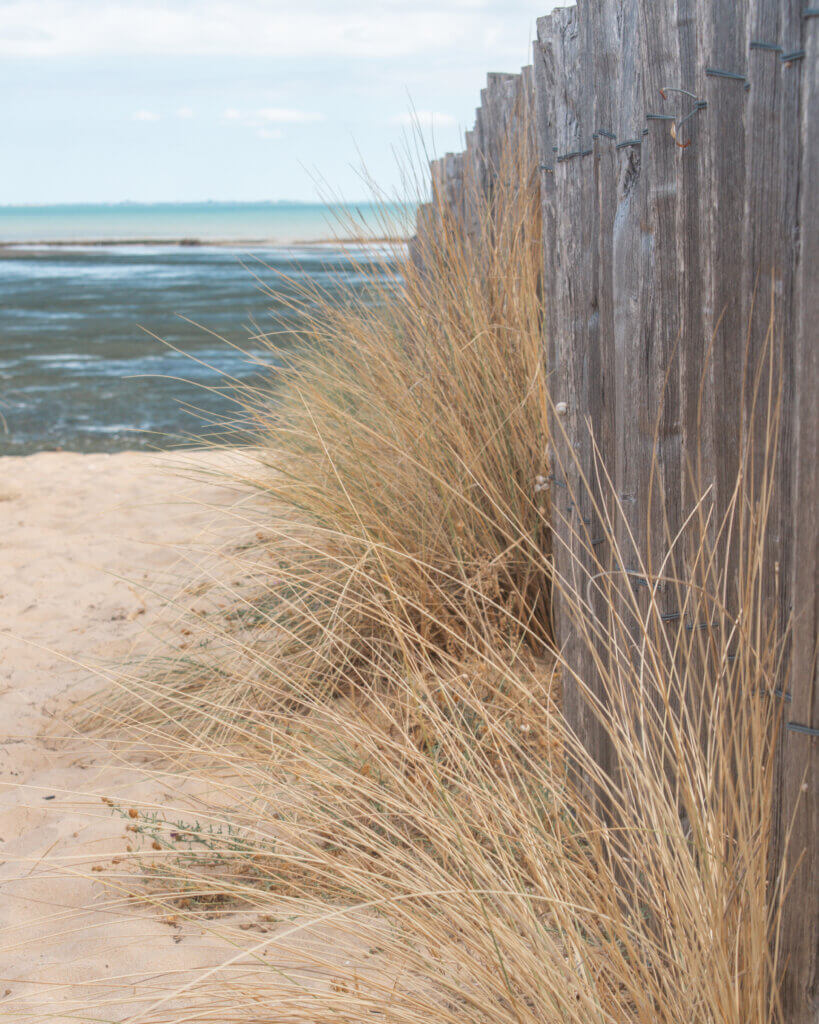
Best for a full beach day: Plage de Gros Jonc, Le Bois-Plage-en-Ré
For the sort of day when you arrive after breakfast and don’t particularly intend to leave until late afternoon, Plage de Gros Jonc is an excellent choice.
It’s another large sandy beach at Le Bois-Plage, with free parking, toilets, showers and watersports schools, and is lifeguarded in July and August. There are also drinks available nearby.
Bring a parasol or beach tent if you’re staying all day: as with many of Ré’s big Atlantic beaches, shade on the sand itself is scarce.
Good to know: Free parking | Toilets and showers | Summer lifeguards | Drinks nearby | Easy by bike | Bring your own shade | Atlantic waves possible | Check flags and tides before swimming.
Best for sunset: La Conche des Baleines
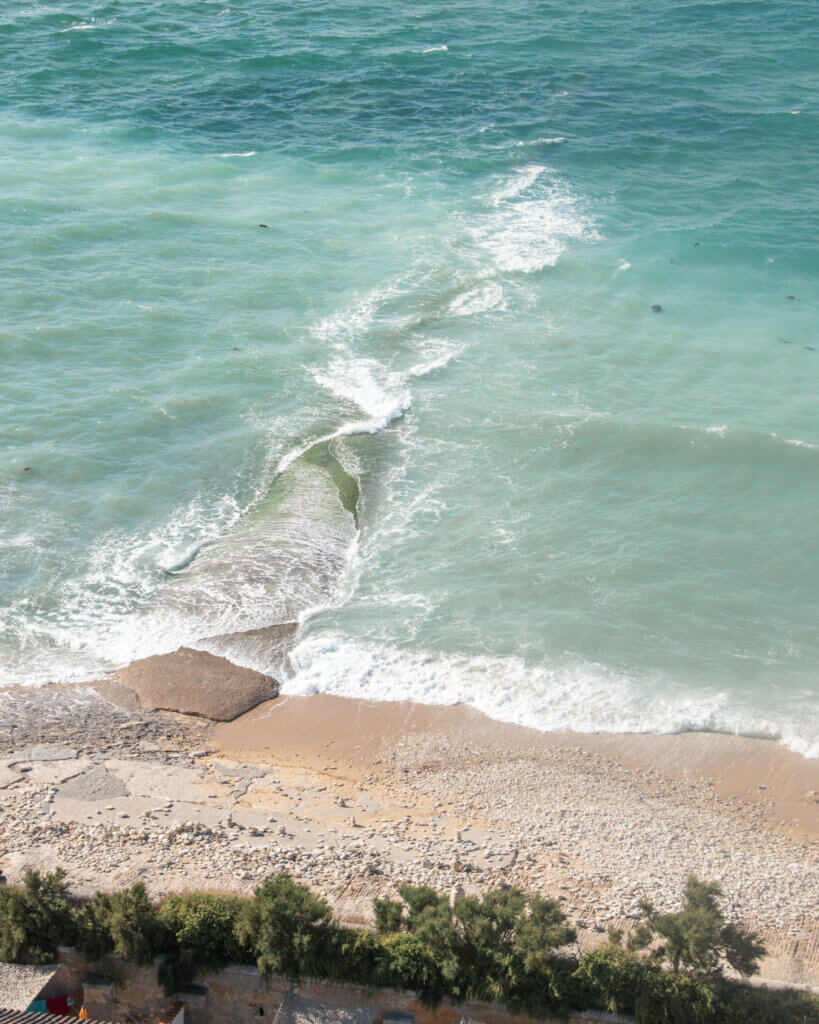
For the end of the day, head towards the western end of the island and La Conche des Baleines, the great sweep of sand near Saint-Clément-des-Baleines. It’s one of those beaches that feels made for a final swim, sandy picnic and a lingering walk as the light begins to soften.
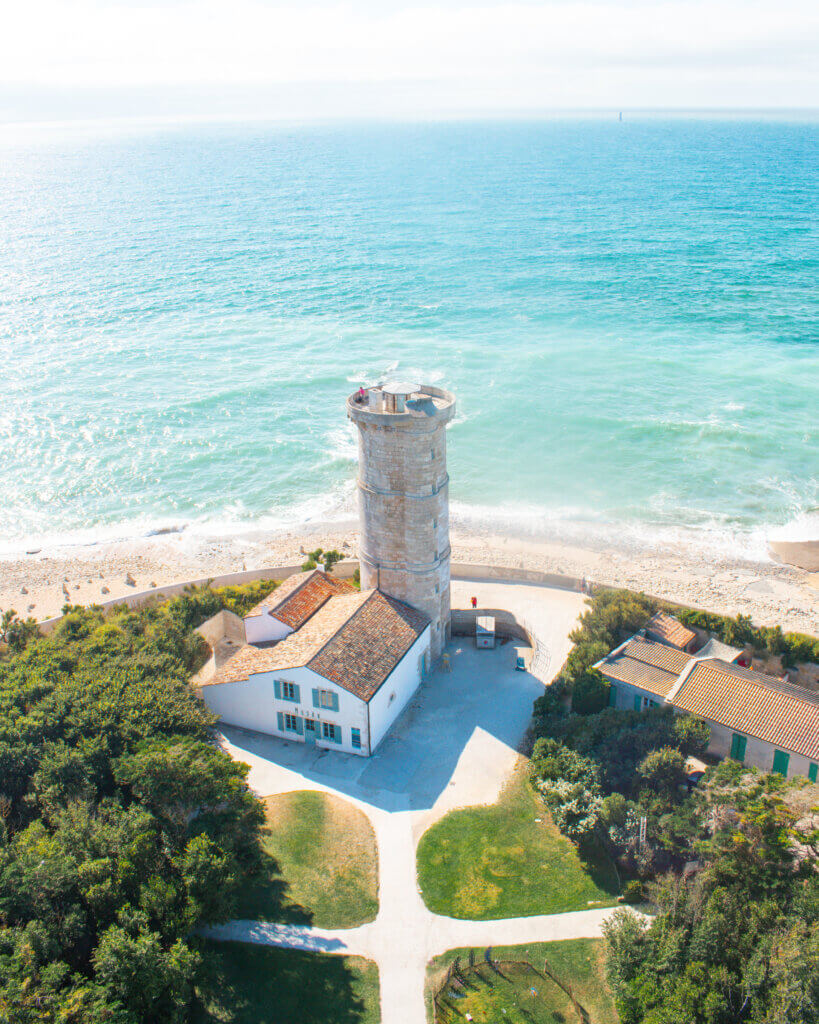
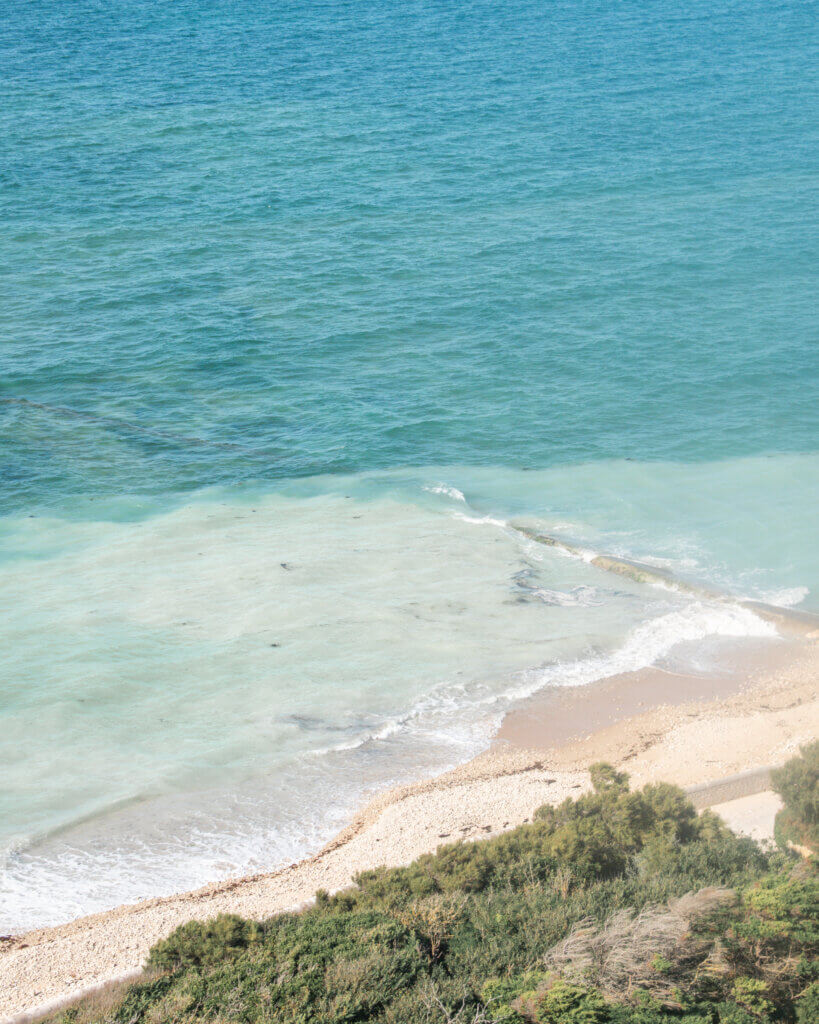
For families who prefer lifeguarded swimming, part of La Conche is among Île de Ré’s 12 beaches supervised in July and August.
Come in the late afternoon, stay for sunset and bring another layer for children: even after a hot day, the Atlantic breeze can make evenings on the beach surprisingly cool.
A sunset catamaran trip is a great way to round off a day on Île de Ré, I’d recommend exploring the cruises departing from either Saint-Martin-de-Ré or La Flotte.
Best wild beach: Plage de Trousse-Chemise, Les Portes-en-Ré
If I had to choose just one beach on Île de Ré, it would probably be Plage de Trousse-Chemise, towards the far end of the island near Les Portes-en-Ré.
This is the wilder side of Ré: sand, forest and an expansive horizon. It feels removed from the busier harbour villages and is exactly the sort of place where you intend to stay for an hour and somehow lose most of the afternoon.
The adjoining Trousse-Chemise forest also has picnic tables, so there is some welcome shade away from the sand. There are public toilets, parking nearby and dedicated bicycle parking. Trousse-Chemise is not lifeguarded.
Good to know: Parking nearby | Toilets | No lifeguards | Take food or plan a picnic | Excellent by bike | Shade in the neighbouring forest | Particularly tide-dependent | Take extra care with swimming and currents.
Explore Île de Ré’s oyster coast
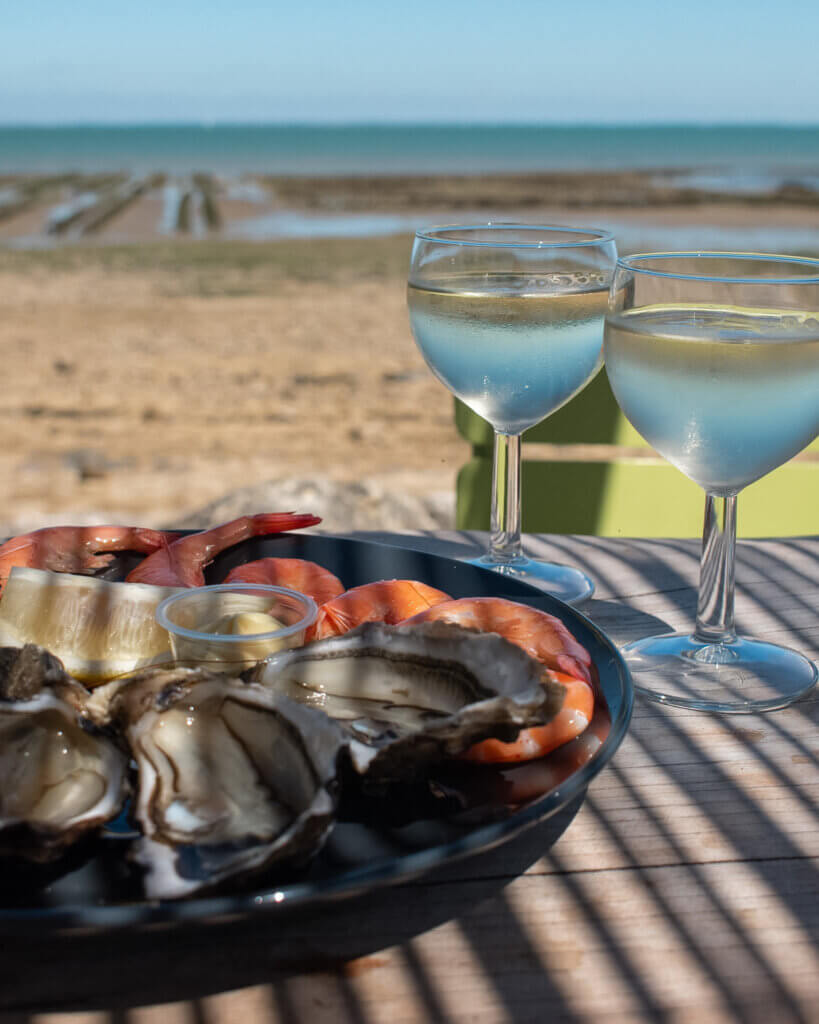
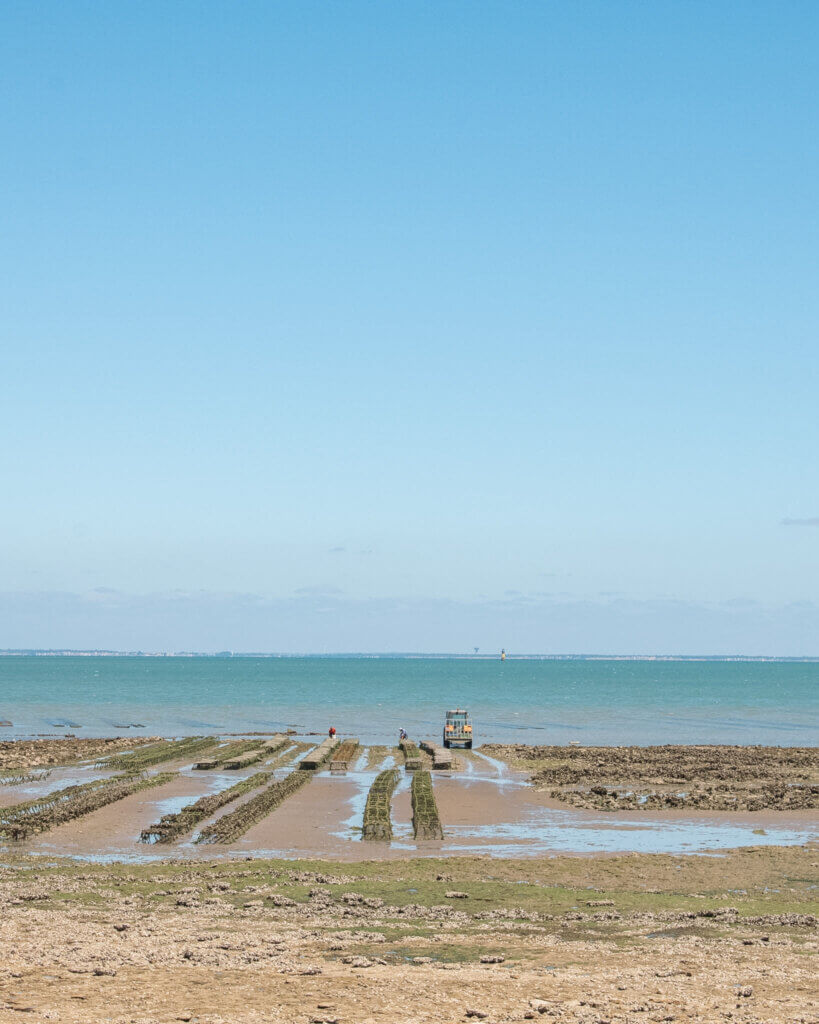
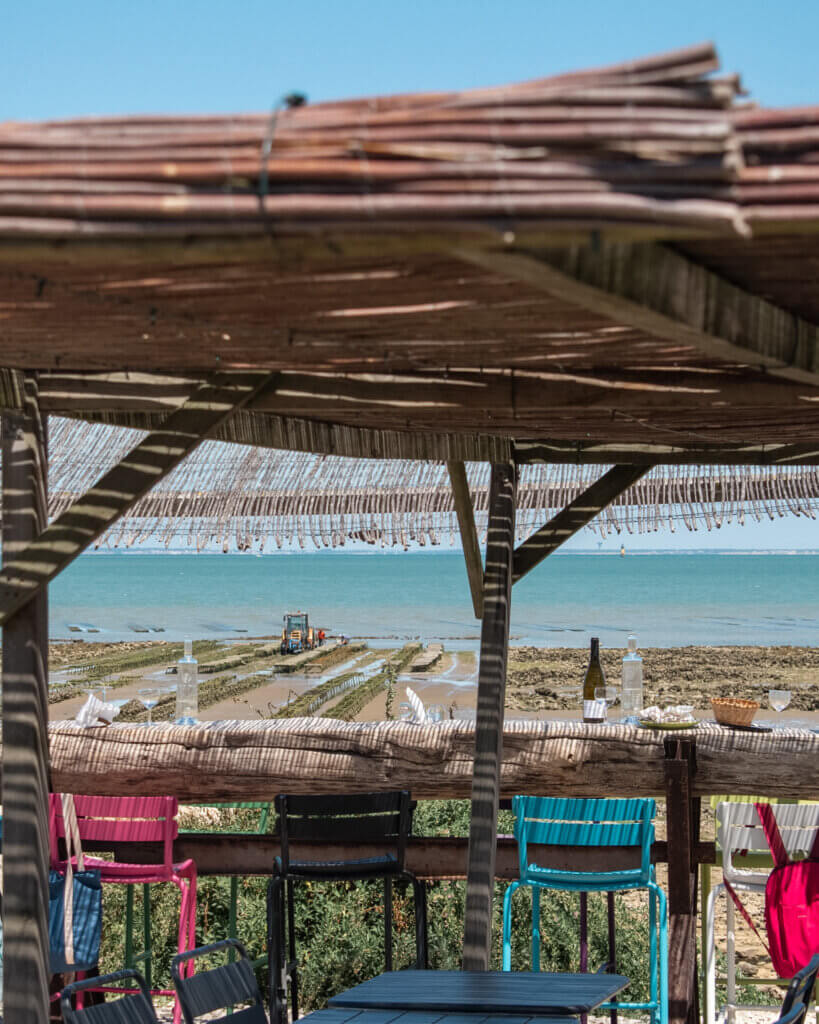
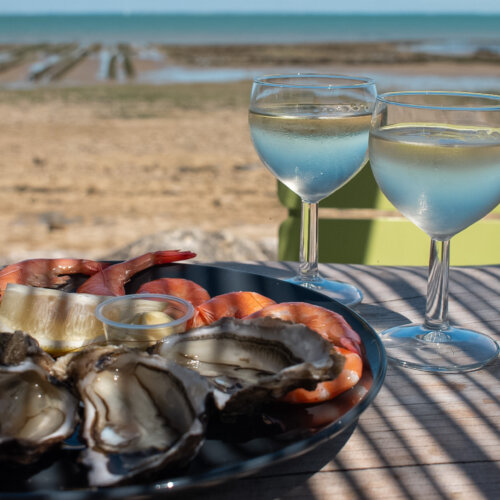
One of the most distinctive landscapes on Île de Ré is the oyster-farming coastline, particularly around the northern villages and salt marshes. Cycling through the narrow lanes, you’ll pass oyster beds, little wooden cabanes and boats, with the landscape changing dramatically with the tide.
If you eat oysters, stop at one of the oyster shacks for seafood straight from the water; if you don’t, it’s still worth exploring for a glimpse of an important part of island life. Low tide is particularly fascinating, when the oyster beds and working landscape are revealed. It was a big hit with my preschooler, for a totally free and rather relaxing activity to keep him engaged whilst we ate.
For more ideas on where to eat while you’re here, including The-Oyster-Obsessed-Husband’s best picks for the freshest seafood, see my guide to the best restaurants, markets and food stops on Île de Ré.
ALWAYS CHECK THE TIDES
One of the most useful pieces of advice for a first trip to Île de Ré is very simple: check the tide times.
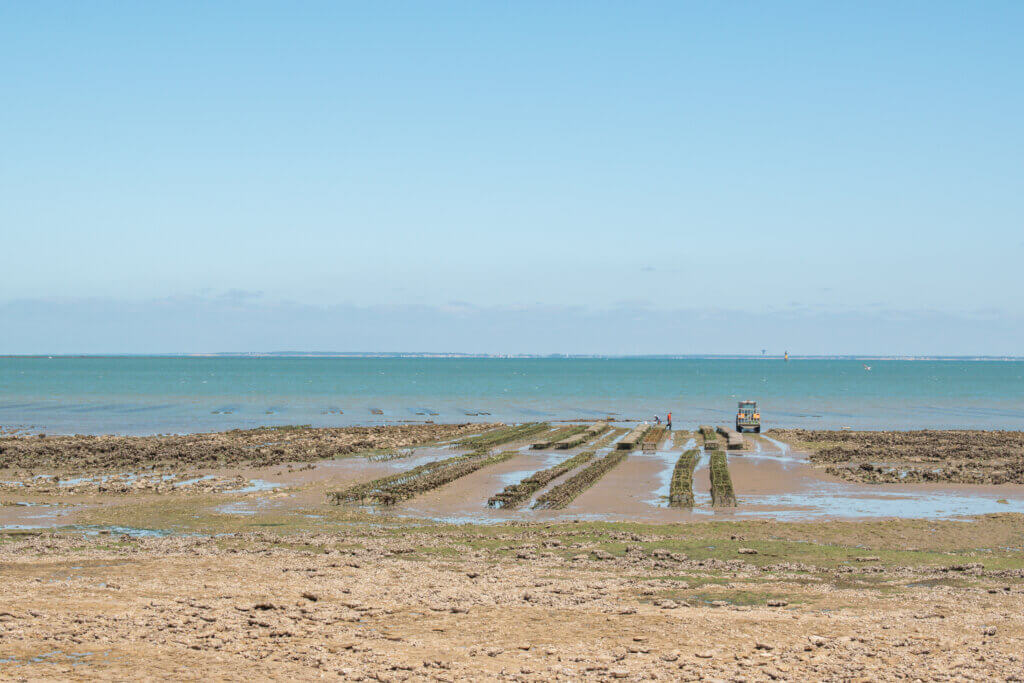
The difference between high and low tide can completely change the character of a beach. At low tide, enormous areas of sand and mudflat can be exposed, oyster beds become visible and tractors head out across the shore. For children — and grown-ups — this can be fascinating.
It also means you shouldn’t assume that a beach that looked perfect for swimming yesterday afternoon will look exactly the same when you return at 10am the following morning.
The official Île de Ré tourist office recommends checking sea conditions and tide times before entering the water. Twelve beaches are supervised during July and August, generally between around 11am and 7pm, but supervision varies by beach and outside the summer season swimming is unsupervised.
So, if swimming is the priority, check the tide, weather, wind and beach flags before setting out. If you want to explore the island’s oyster-farming landscape instead, low tide can be one of the most interesting times to be beside the water.
For everything else you need to know — from getting there and getting around to beaches, markets, restaurants and things to do — read my complete Île de Ré guide.

Leave a Reply