A COMPREHENSIVE GUIDE TO PARIS
I adore Paris. Other than Edinburgh, it is probably my favourite city in the world. Iconic views, people watching from cafes along the Seine, great food, world class museums, romantic picnics… the French capital’s appeal is timeless. I have lost count of the number of times I have been to Paris – and was lucky enough to call it home for a while – and yet it keeps drawing me back. Each time to find new places I vow I must return to!
Whilst I hope that you will find this guide useful for planning your own trip, one of the best things about Paris is that there are endless hidden gems across the city – be it that little local patisserie you stumble upon near your apartment, or the beautiful park around the corner from your favourite museum. In fact, when I hear people say they don’t really like Paris I think more often than not it is because they have approached it all wrong… this is not a city best enjoyed by rushing about trying to hit all the “must sees”, it really is a destination for slow travel, exploring all the passages and places at a leisurely place whilst you dip in and out of cafes and hidden art galleries.
So make sure you leave time on your trip to simply wander and find your own little private corner of Paris.
GETTING THERE
Both Charles de Gaulle and Orly airports are connected to the city centre by the suburban rail network, RER. The journey takes around fifty minutes, and costs about €12.
If you arrive by Eurostar from the UK, the Gare du Nord is very central. From the station you can get the Metro to all areas of the city. Your Eurostar ticket gets you 2-for-1 tickets to a number of Museums.
GETTING AROUND
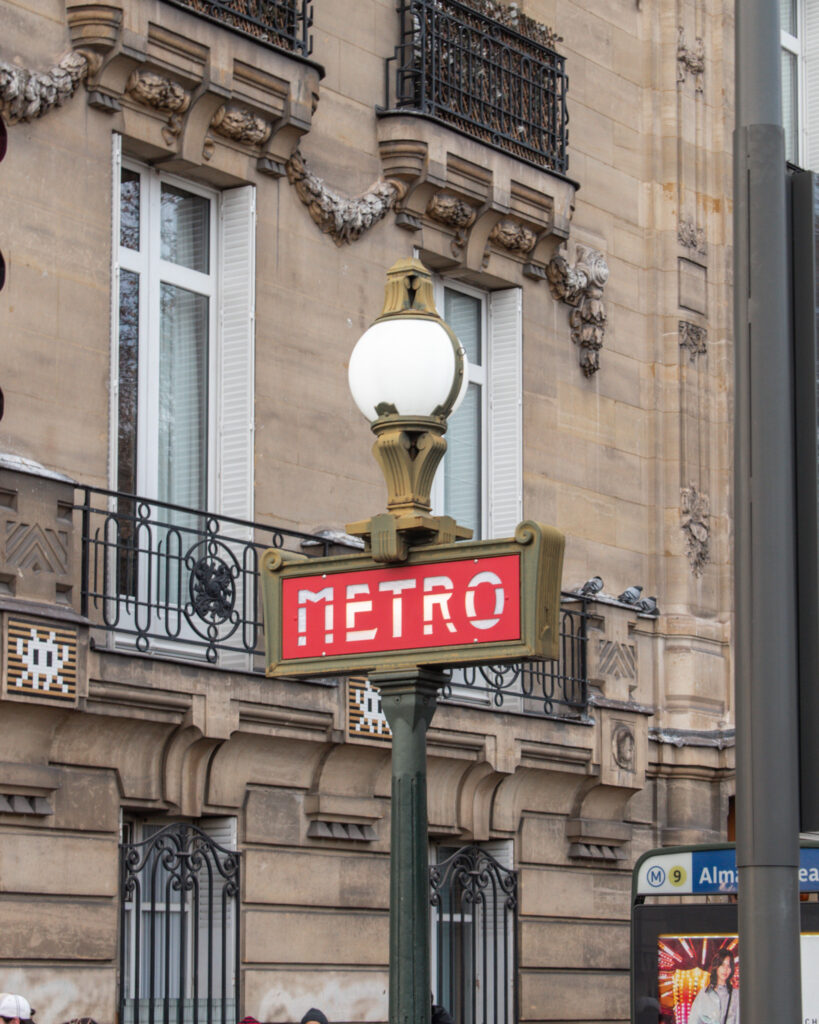
Paris’ urban train network has two parts – the metro and the Regional Express Network (RER). There are 16 lines and more than 300 stations on the metro and theRER has five lines, A to E. The two systems are fully integrated, and you can switch between the two easily.
There are two main transportation passes in Paris. If you plan to use a lot of public transport, they are usually cheaper than buying individual tickets.
- Navigo Découverte Travel Card: less expensive but can only be bought at a ticket office in 7-day increments starting on the Monday of each week. You need to bring a small passport size photo to stick to the card.
- Paris Visite Pass: more expensive but can be bought for 1, 2, 3, or 5 consecutive days. Can be bought at ticket machines with no photo needed.
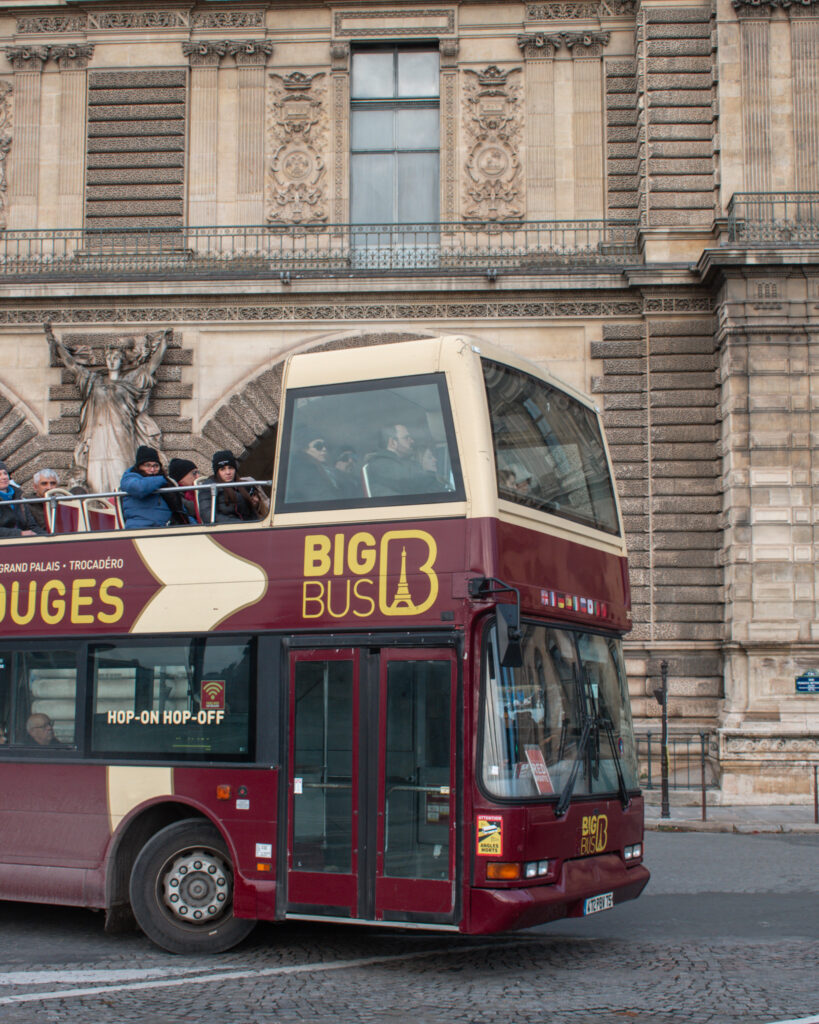
Alternatively, if you are looking for a rather fun way to explore Paris alongside an informative tour consider booking this 2 hour Vintage 2CV adventure or even in a vintage motorcycle sidecar!
PARIS WITH CHILDREN
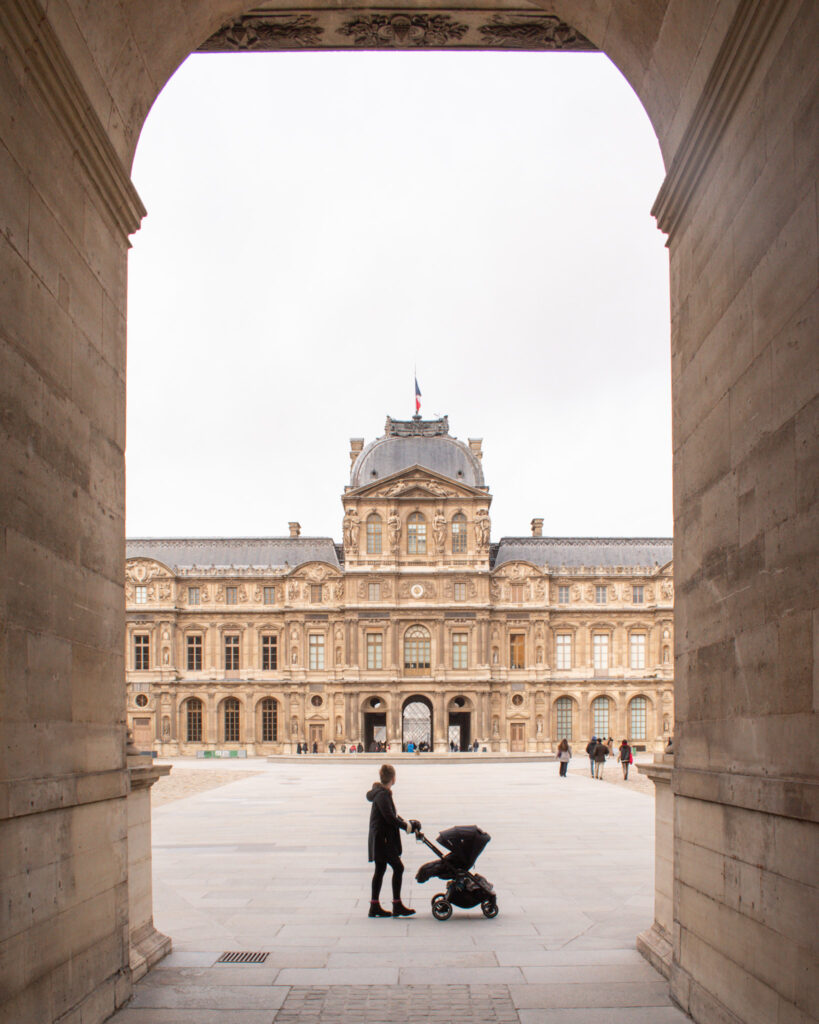
I have written an extremely comprehensive guide to Paris with children – check it out on Thatch – including the best playgrounds, the best places to eat with high chairs, and how to visit all the main attractions without stress.
EXPLORING THE ARRONDISSEMENTS
Paris is divided up into twenty neighbourhoods – known as arrondissements – and they all have very different atmospheres and characters.
Rather like London, most Paris residents are either firmly “Left Bank” (rive gauche) or “Right Bank” (rive droite) people. As a visitor, both offer you something. Broadly speaking, the Left Bank more classic Paris – wide open streets and beautiful old buildings. Whilst the Right Bank is a bit “younger”, filled with narrow streets and hipster cafes. Confusingly, the Left Bank is actually the south of the River Seine and the Right Bank the north. The names refer to the direction the river flows in.
The Left Bank encompasses parts of the 4, 5, 6, 7, 13, 14 and 15th arrondissements. Whilst the Right Bank is made up of the 1, 2, 3, and parts of 4, 8 to 12, and 16 to 20th arrondissements.
Below are a few of my favourites neighbourhoods to get you started. But the best way to enjoy Paris is to simply go for a walk and find the neighbourhood for you.
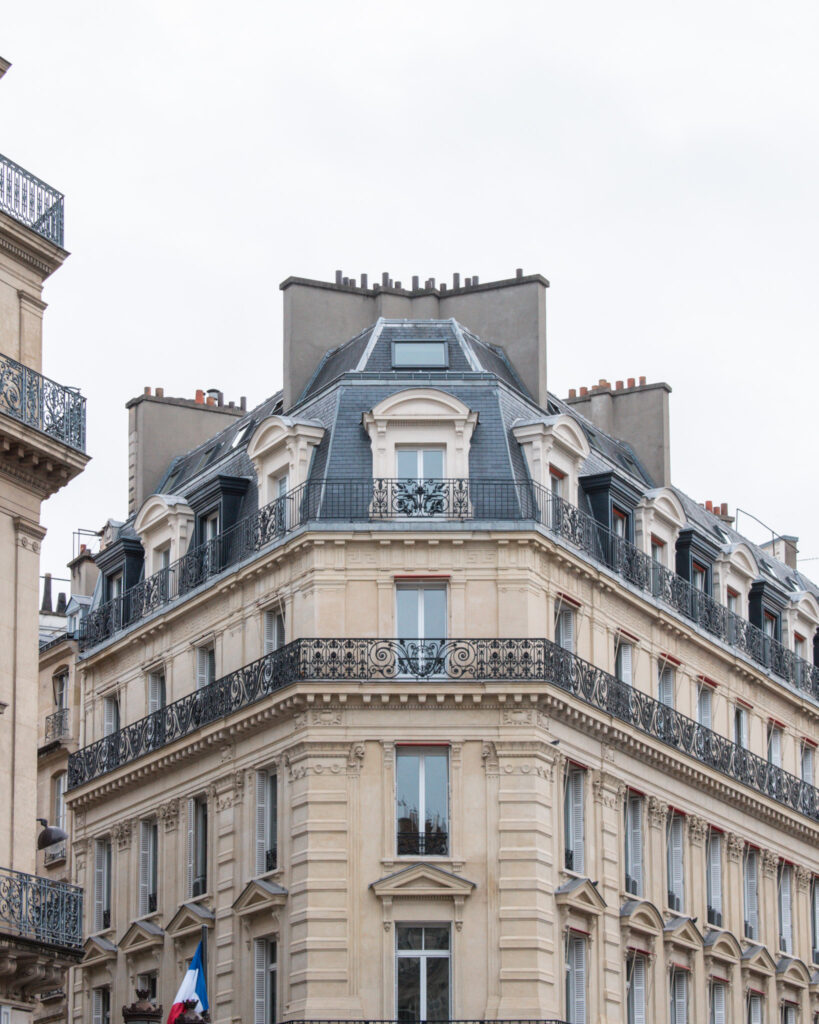
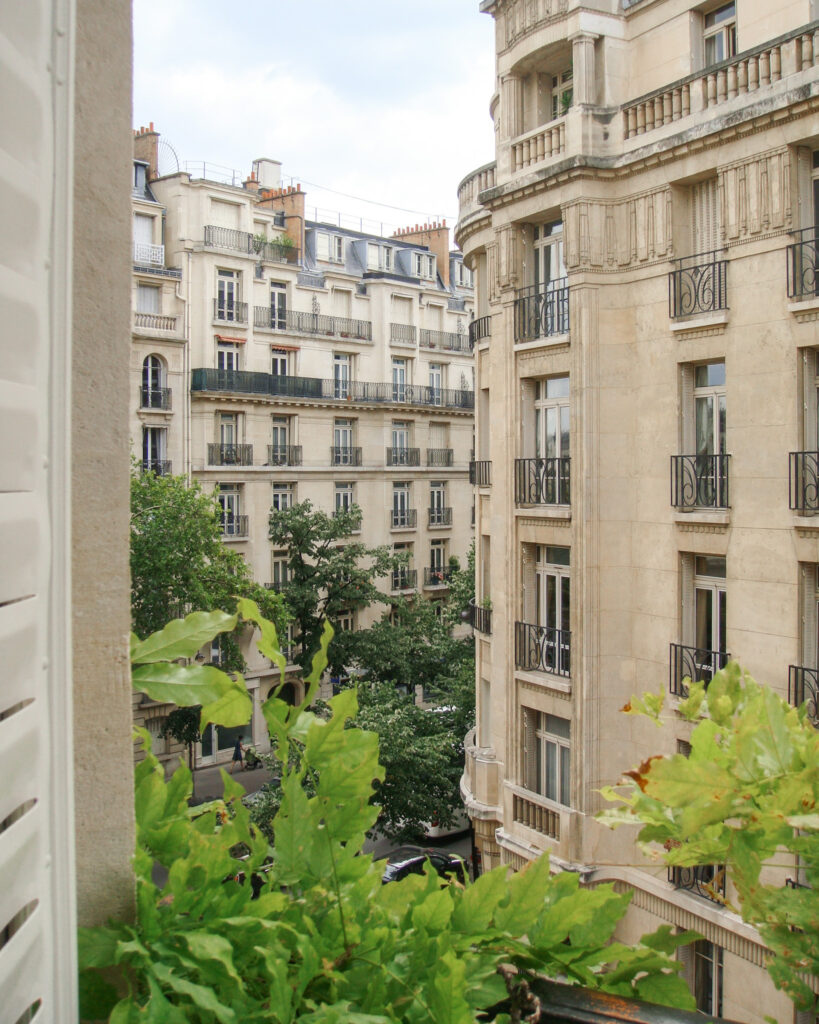
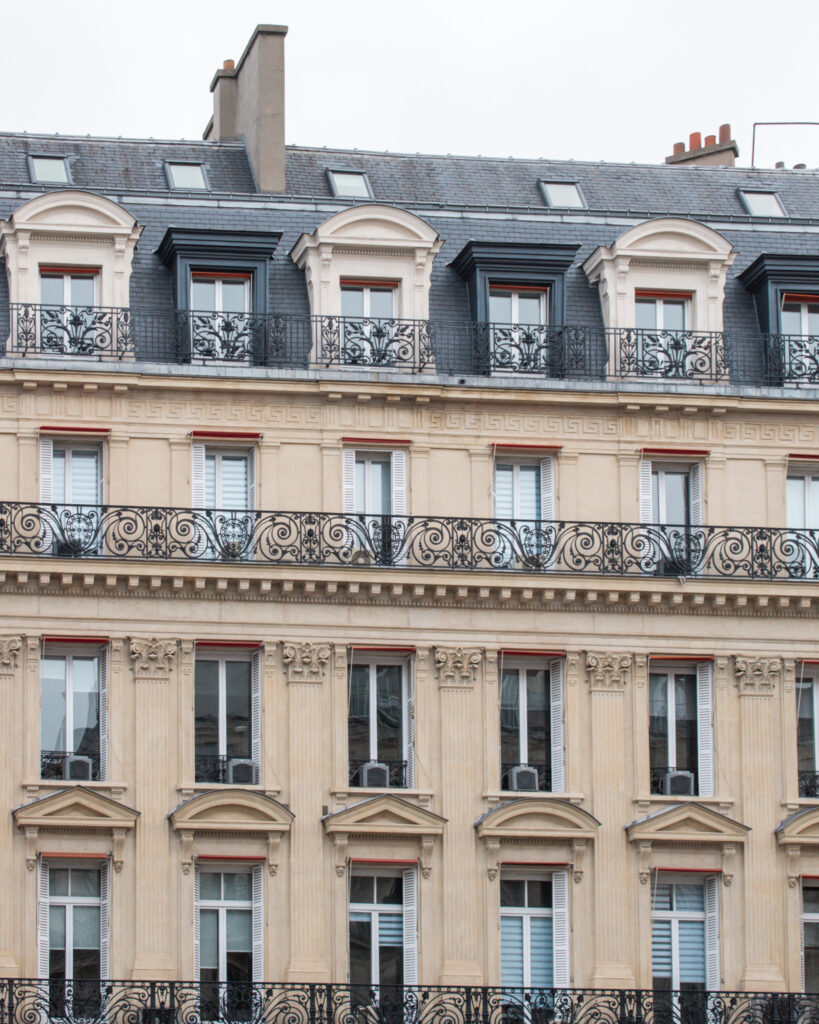
The 1st – the centre of Paris. Amazing luxury hotels abound – and a few bargain apartments to be found. Home to the Louvre and the gorgeous Jardin des Tuileries. Super busy in the tourist peak season of the summer, but if this is your first visit to Paris this is where you will want to be for many of your days. It lacks that “neighbourhood” vibe a bit, but makes up for it in convenience for many of the main sights.
Le Marais (the 4th) – Notre Dame’s neighbourhood just oozes Parisian charm. I love the cobbled streets of the Ile de la Citée. It might be my favourite bit of Paris… It is the only neighbourhood to straddle both Left and Right Banks. If you would like to get under the skin of this lovely part of Paris, consider booking this two hour private tour with a local guide.
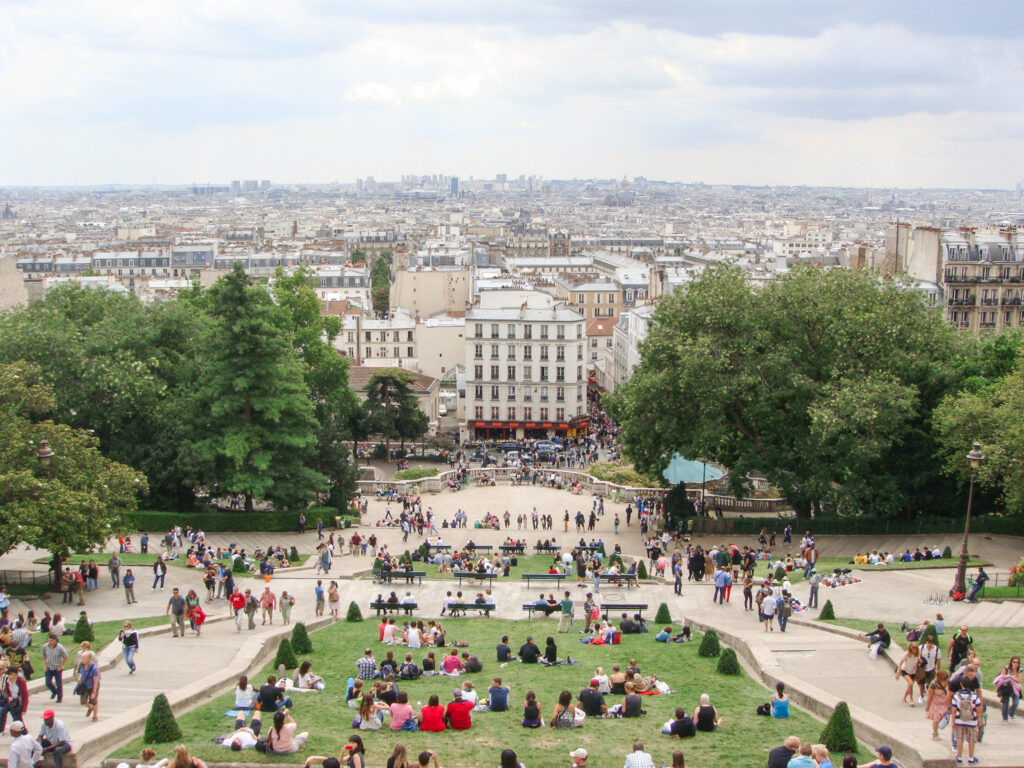
Montmartre (the 18th) – where I first fell in love with Paris on a school trip many years ago! Amazing panoramic views over the city, and sweet little cobbled streets make this a very photogenic part of Paris. The romantic artistic vibe remains dominant. Step away from the streets closest to Sacré Cœur if you want to avoid the crowds. If you are here in October, be sure to pay a visit to Clos Monmartre, the oldest vineyard in the city. During the five day Harvest Festival (Fête des Vendanges de Montmartre) it is open to the public, with concerts and parades held in the vineyard and surrounding area. Wine produced during the week is on sale, with all proceeds going to charity.
The 6th – a classic Parisian neighbourhood, on the Left Bank popular with visitors and residents alike. Home to the gorgeous Jardin du Luxembourg, and the cultural hub of the Saint Germain des Pres district. This is where you will find some of Paris’ most well known cafes (including Les Deux Magots, Café de Flore, and Brasserie Lipp) the 6th has drawn artists, writers and philosophers for centuries. Be sure to pay a visit to Eglise Saint-Germain-des-Pres (right across the road from Les Deux Magots). It is the oldest church in Paris, with the most glorious cobalt blue painted ceilings.
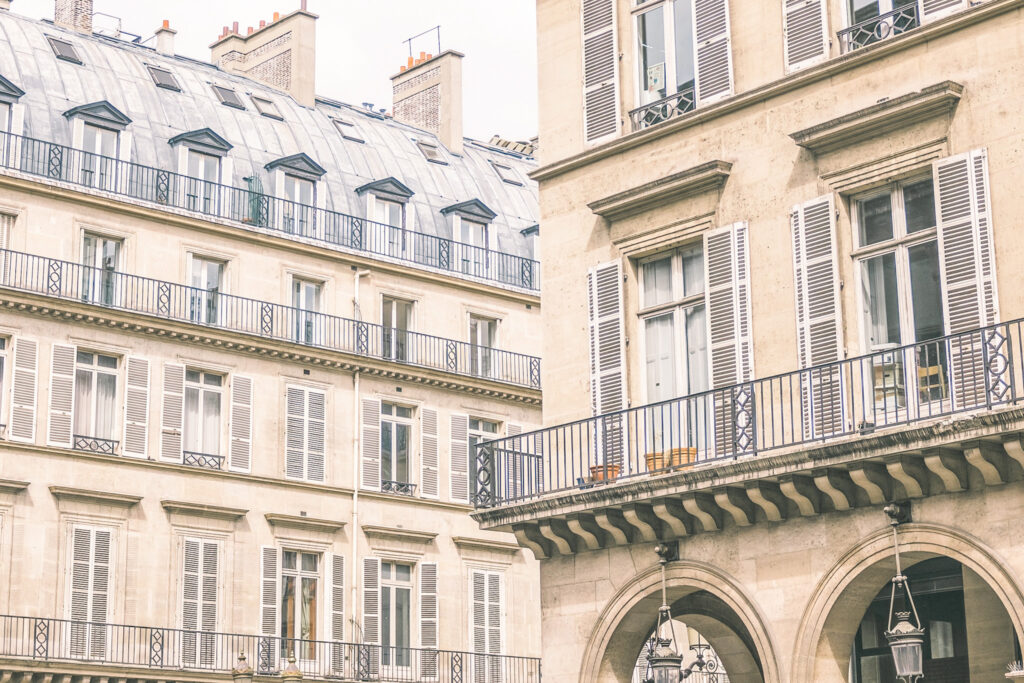
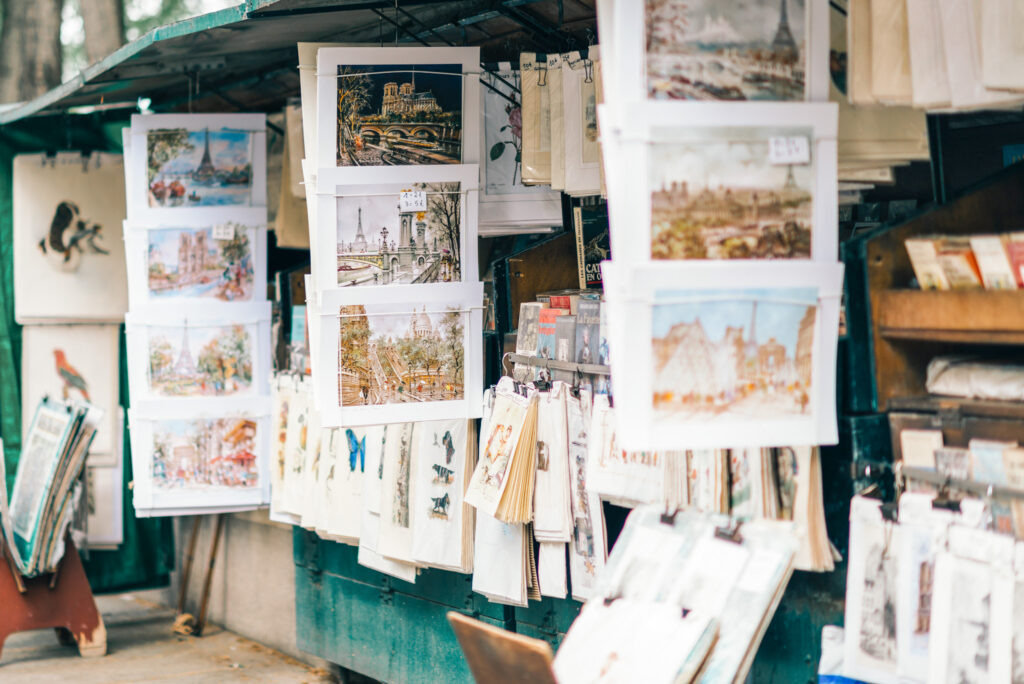
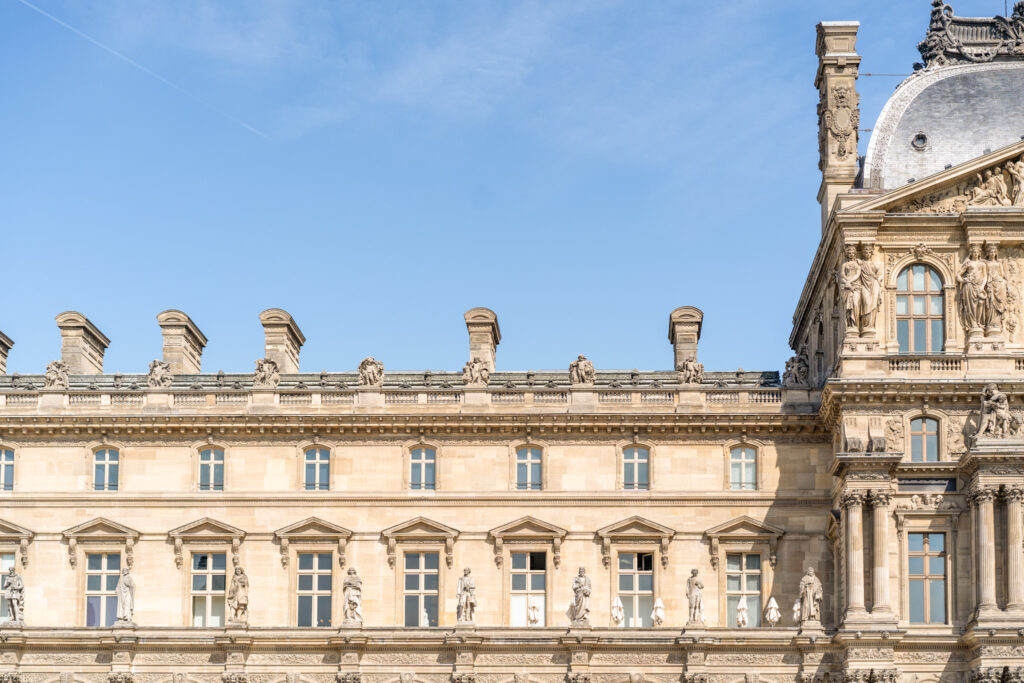
The 7th – on every Paris traveller’s list, this is where the Eiffel Tower lives! Classical Parisian streets and walks along the banks of the Seine. The Musée D’Orsay and Rodin Museum are also here. Probably the most popular with first time visitors, given its proximity to La Tour Eiffel. It can feel quiet in the evening, missing the buzz of the more central neighbourhoods.
Canal Saint Martin (between the 10th, 11th, and part of the 19th) – a close runner up to Le Marais as my favourite bit of Paris, it is lively, achingly cool and laid back all at once. This is Parisian hipster central. Cosy cafes and leafy streets line the 4.5km canal that connects the Canal de L’Ourcq with the river Seine. It feels local in a way many other parts of Paris don’t always.
THE “TOP” SIGHTS
LA TOUR EIFFEL
Not sure I need to introduce this one…!
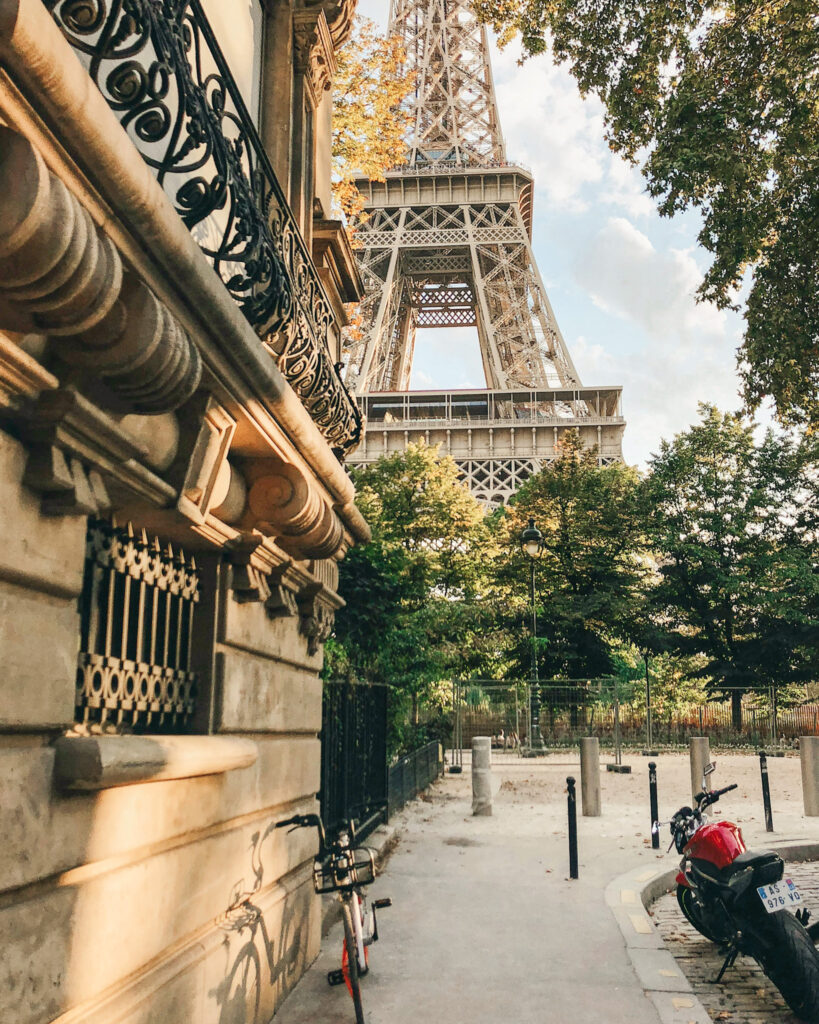
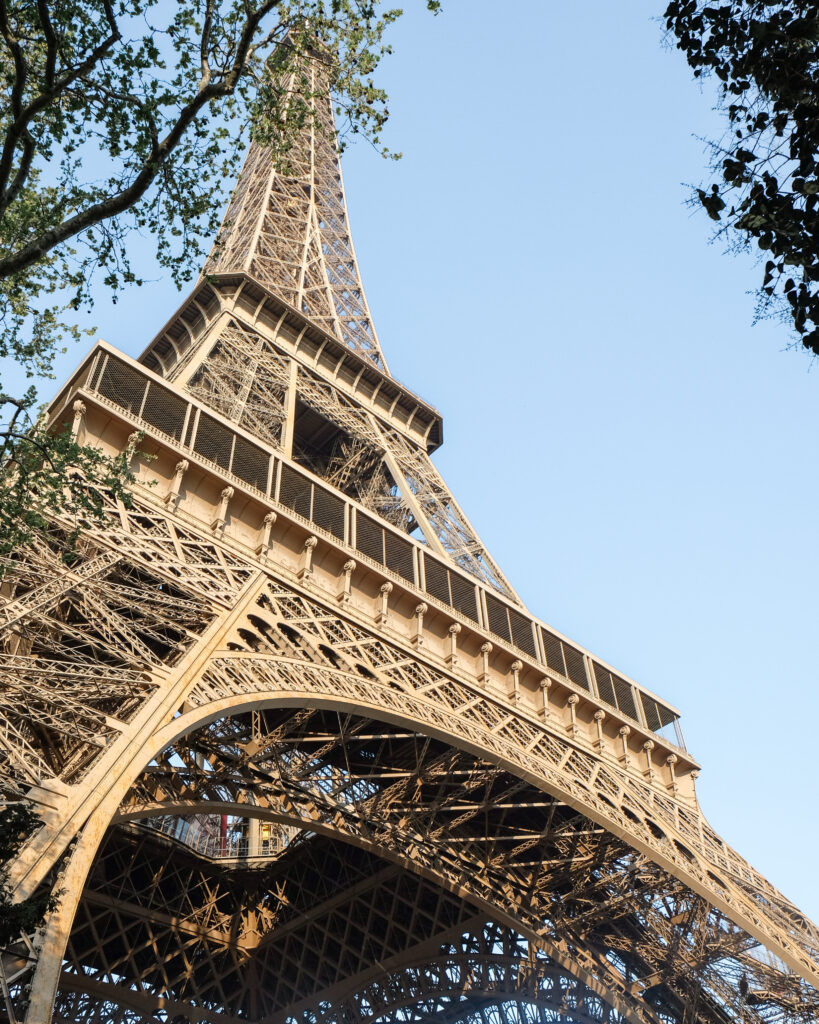
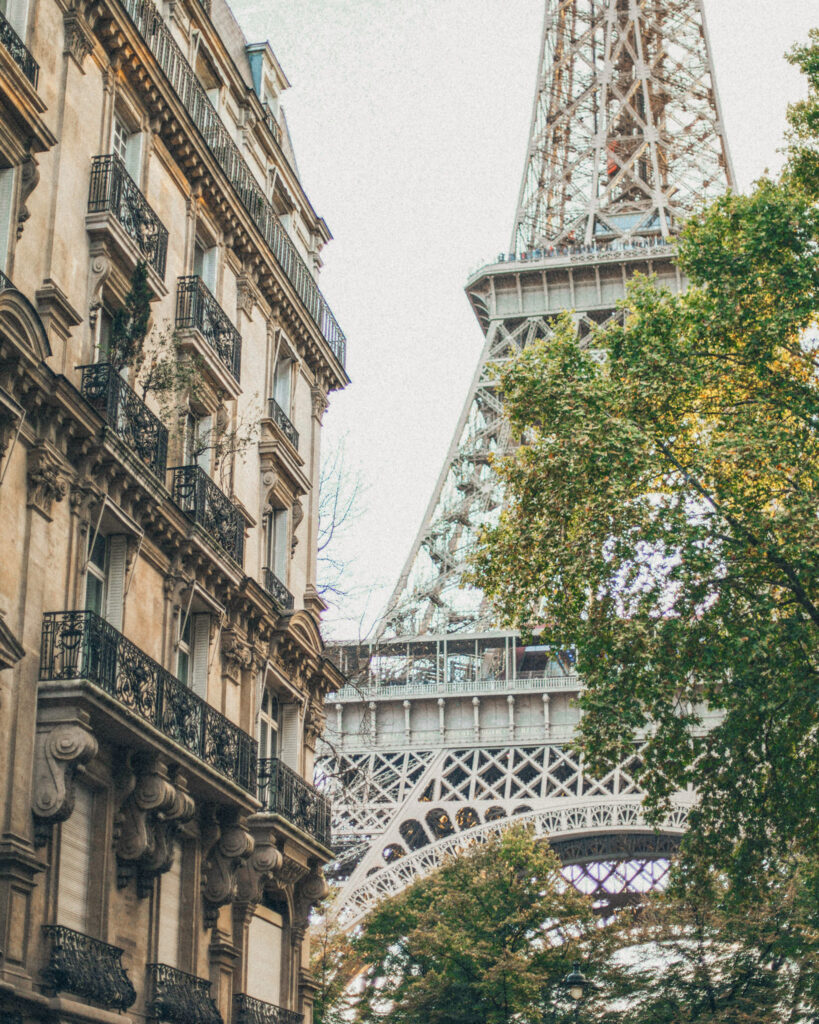
The Eiffel Tower attracts more visitors than any other paid tourist attraction in the world. It was built as a temporary structure to stand at the entrance to the 1889 World Fair, and has been the defining image of the city ever since!
Going to the top can be expensive and touristy… but worth it! Go at dusk for the best light and stay to see the lights start to twinkle across the city, or as soon as it opens at 09.30am to try and beat some of the crowds. Book online in advance to avoid long queues – especially in summer. Eiffel Tower tickets are available up to three months in advance and tickets sell out fast – often bought up in bulk by resellers. So as soon as you have your dates, book! Ticket prices vary depending on how far up you want to go – it is €25 to get to the top.
Be aware that there is no such thing as a “skip the line” ticket for the Eiffel Tower. The only way to avoid the long queues at the ticket office is book online. Tickets sold as “skip the line” on tour websites do not offer additional benefits, so buy your ticket in advance at the Eiffel Tower’s online box office to make sure you aren’t paying more than you should.
If you are unable to book online and can’t face the very long queues to buy tickets in person, you have one last option… but it involves climbing 674 steps! Tickets to climb (rather than take the lift) are not sold online, and there is a separate ticket office to buy in person. It is usually much shorter – and you get to miss the queue for the lift too!
ARC DE TRIOMPHE AND CHAMPS ELYSÉES
If anything can compete with the Eiffel Tower as the most recognisable symbol of Paris, it might be the Arc de Triomphe! It commemorates those who fought and died during the French Revolution and the Napoleonic Wars. Construction started in 1806, ordered by Napoleon I to commemorate the victories of his Grande Armée.
For €12 you can climb the 284 steps to the top and enjoy the view down one of the most famous shopping streets in the world. There is an elevator “reserved for those who need it” – just speak to staff at the bottom if the steps are not accessible to you. There is free entry the first Sunday of January, February, March, November and December.
Don’t miss the Tomb of the Unknown Soldier, at the foot of the Arc. Laid to rest in 1921, this soldier represents and honours the 1.3 million French soldiers who died
in the First World War. The flame is revived every day at 6.30pm since 1923. It’s a public ceremony so feel free to attend.
The Arc sits at the centre of the Étoile roundabout – meaning star, twelve elegant boulevards lead off the Arc. It is also one of the most chaotic and terrifying roundabouts in Europe! Don’t try to cross the road above ground – there are pedestrian subways from the northern side of the Champs-Élysées which pop up safely under the Arc.
LES PASSAGES
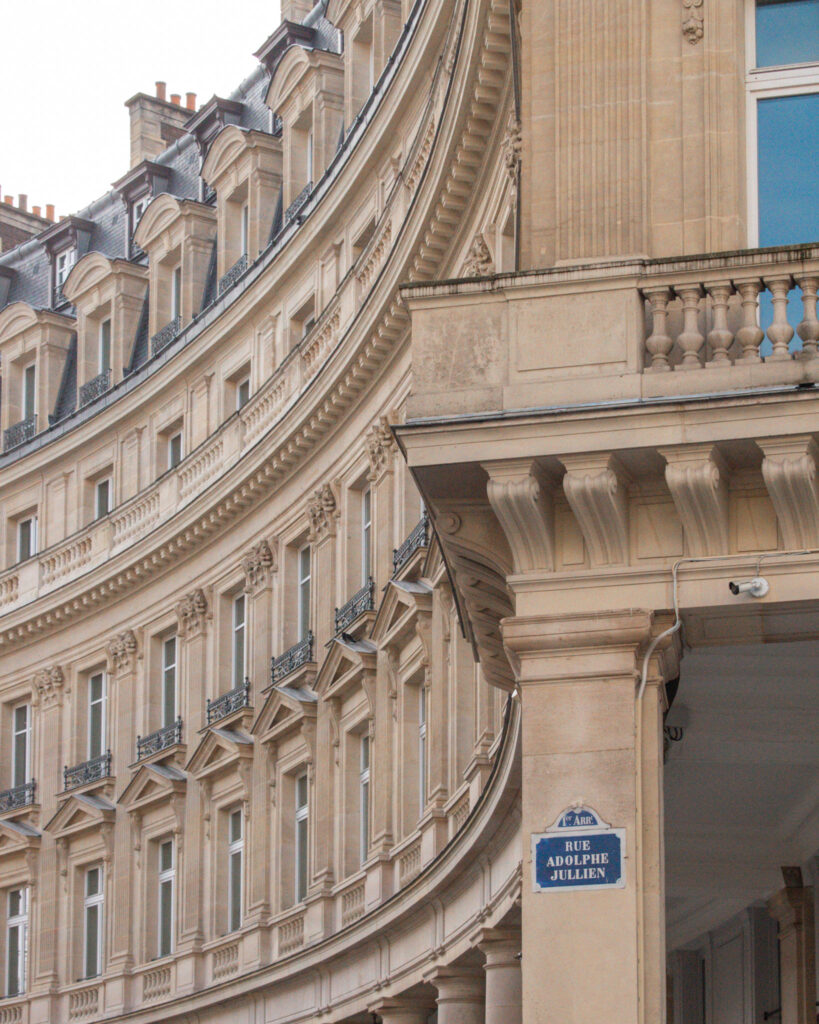
Paris has many of these gorgeous covered streets, lined with shops and cafes, offering a lovely place to stroll when the weather is a bit damp. They were created as part of Baron Haussman’s major redevelopment of the city in the 19thC to keep the city’s wealthier residents from the hustle and mud and bad weather out on the streets of the city. At one time there were over 70 such passages, but now only 21 remain. A few favourites include:
- Passage des Panoramas – built in 1799, this was Paris’ first covered passage and remains one of the most famous.
- Galerie Vivienne – very upmarket passage lined with boutique shops and cafes. The lovely Librairie Ancienne & Moderne is as pretty inside as it is outside. Built in 1826, it has a beautiful glass roof and mosaic floor. In the weeks before Christmas it is awash with fairy lights.
- Passage du Grand Cerf – named after the wooden stag’s head hanging outside a pub at one end of the passage, it is now filled with gorgeous boutique jewellery shops.
THE MUSEUMS AND GALLERIES
In France, many museums will close on either Mondays or Tuesdays, so double check opening hours before you plan a visit. Most museums and galleries across Paris also offer free entry on the first Sunday of every month.
THE LOUVRE
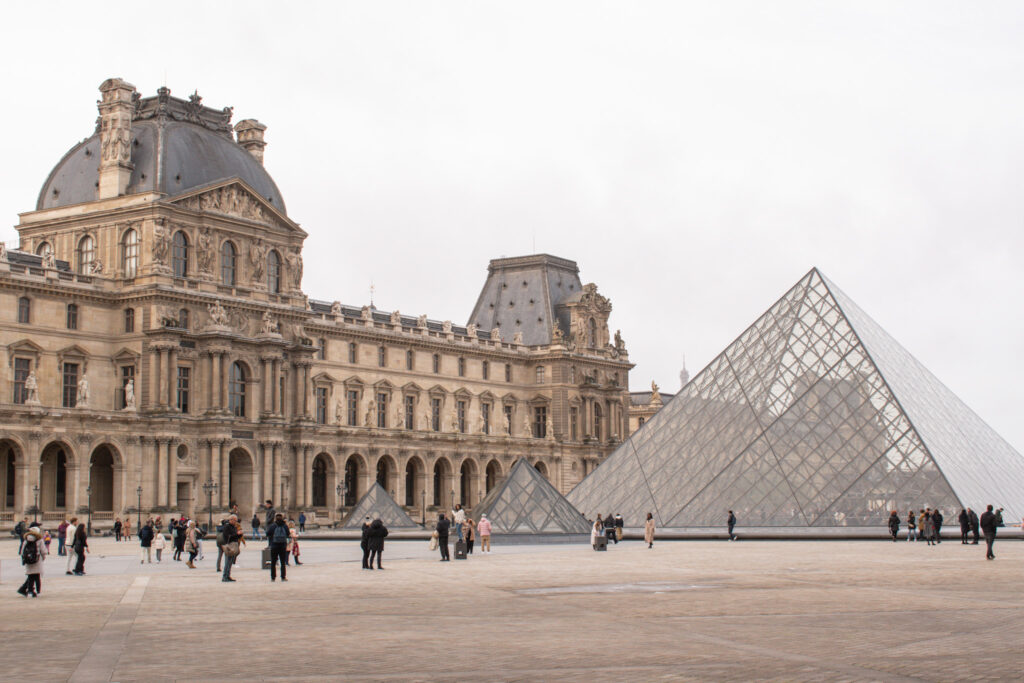
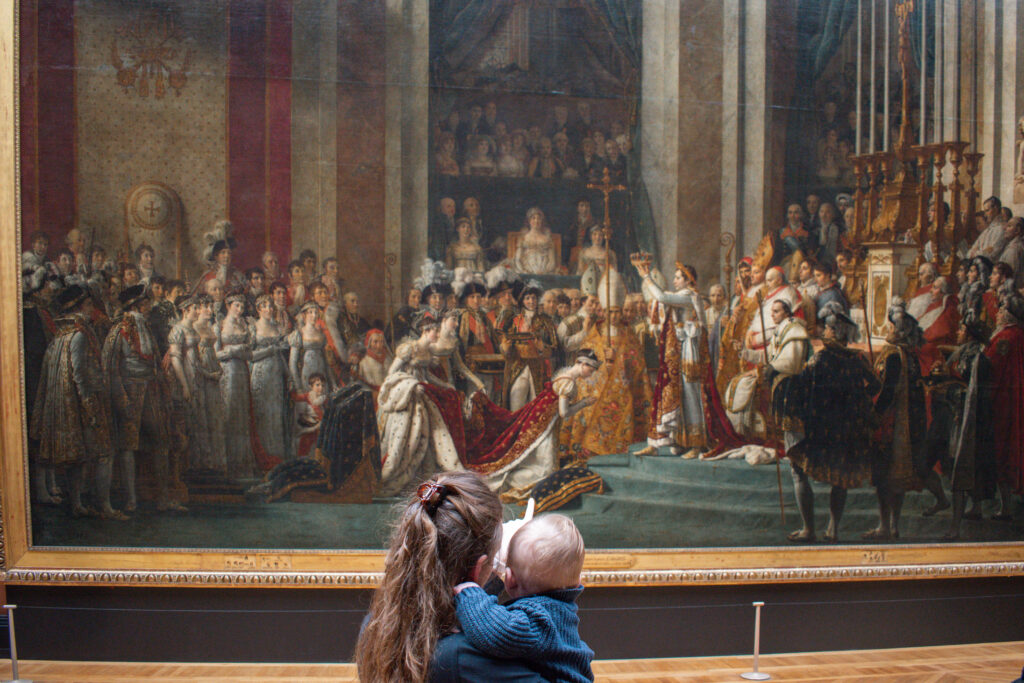
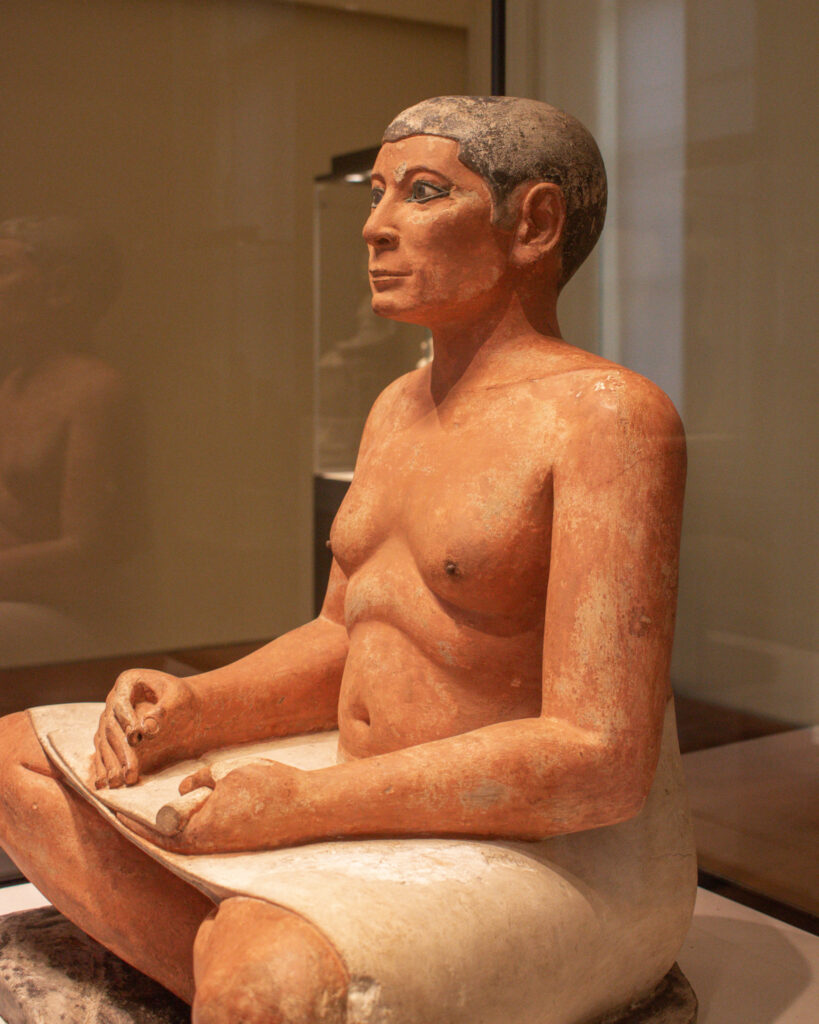
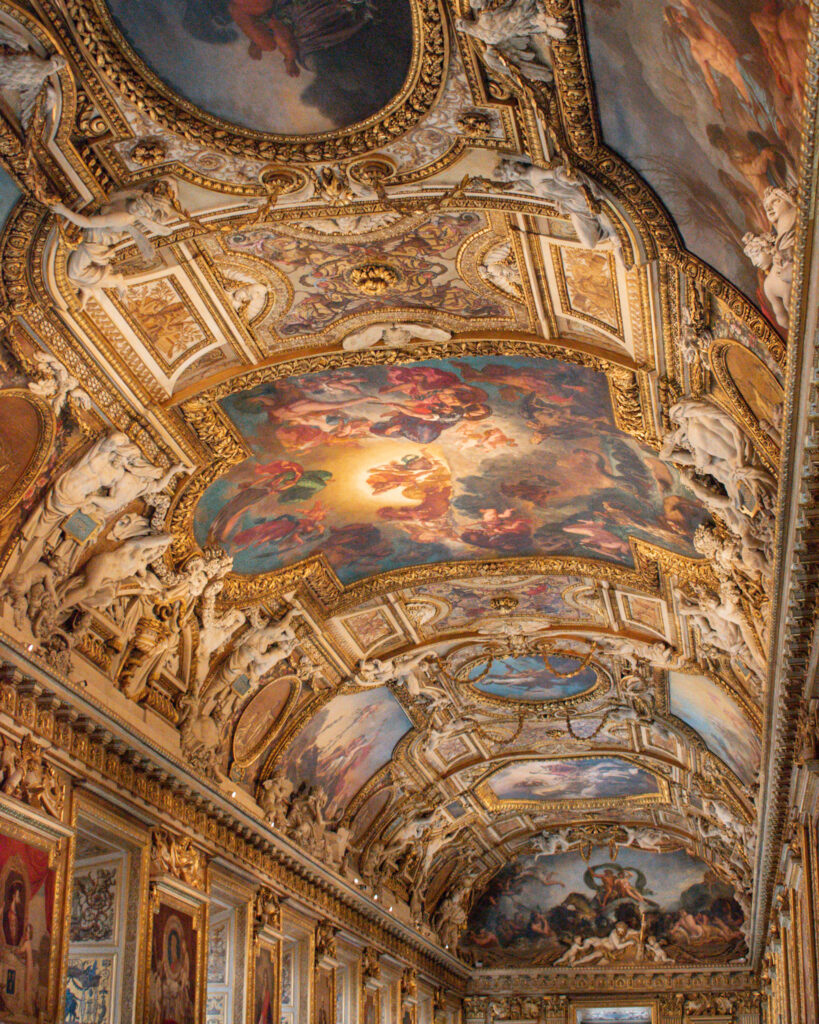
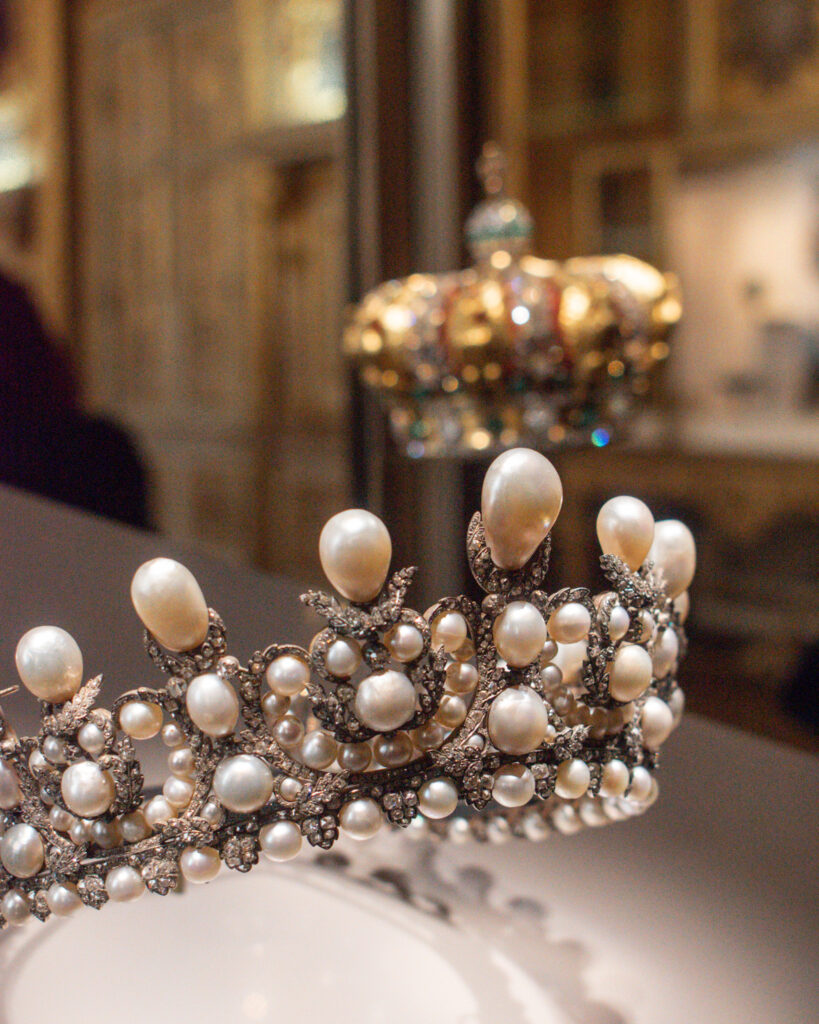
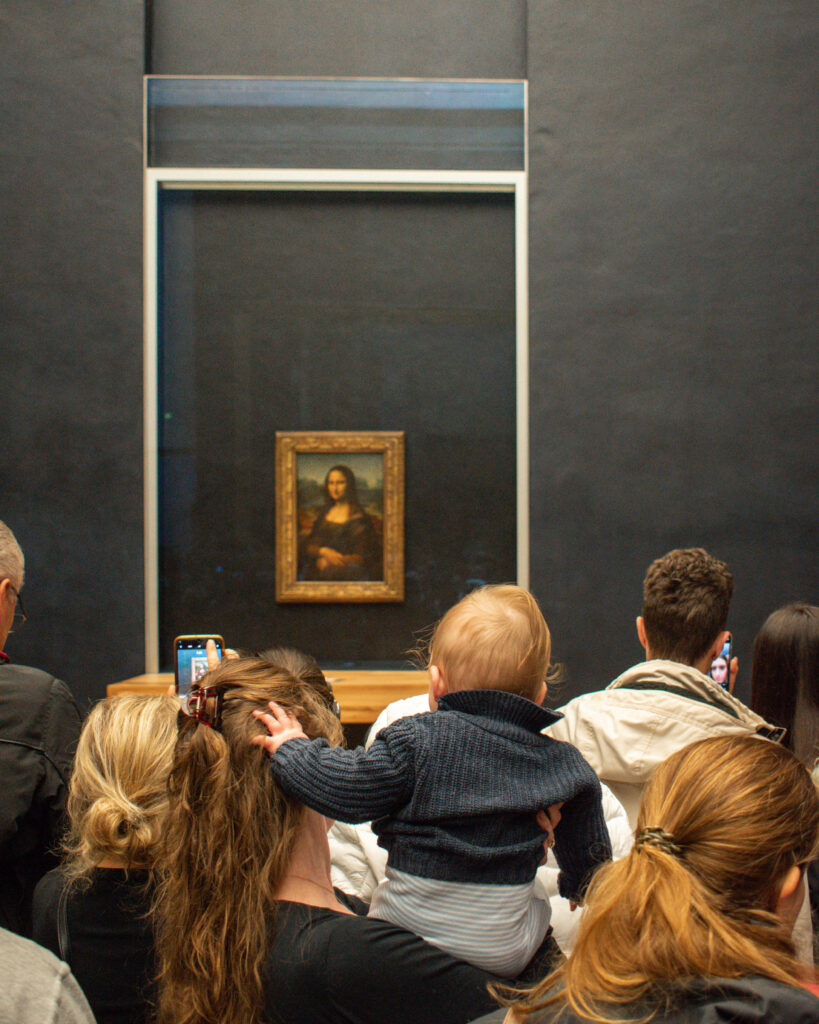
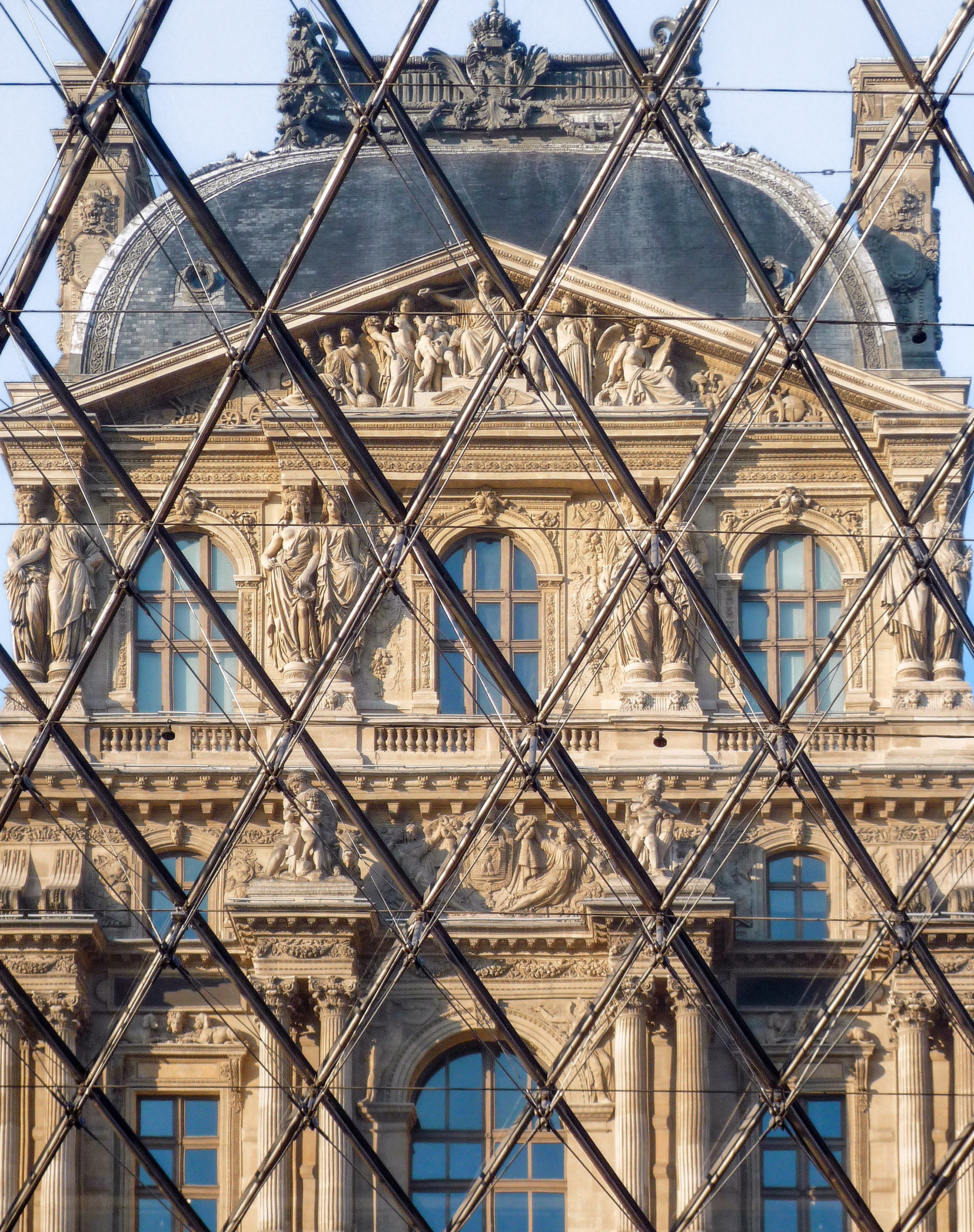
One of my favourite museums anywhere in the world. There really is something for everyone. Even The Husband (“you can choose one gallery per holiday”) is happy to keep coming back here. It is simply vast – 14km of galleries and over 35,000 exhibits! – you could easily spend a day here and barely scratch the surface. Therefore I recommend doing a bit of research and deciding the main exhibits you want to see before you go. You will inevitably get distracted but having a bit of a plan can make it feel less overwhelming and can help you dodge the crowds heading for a snap of the Mona Lisa.
These are a few of my favourite exhibits to give you somewhere to start:
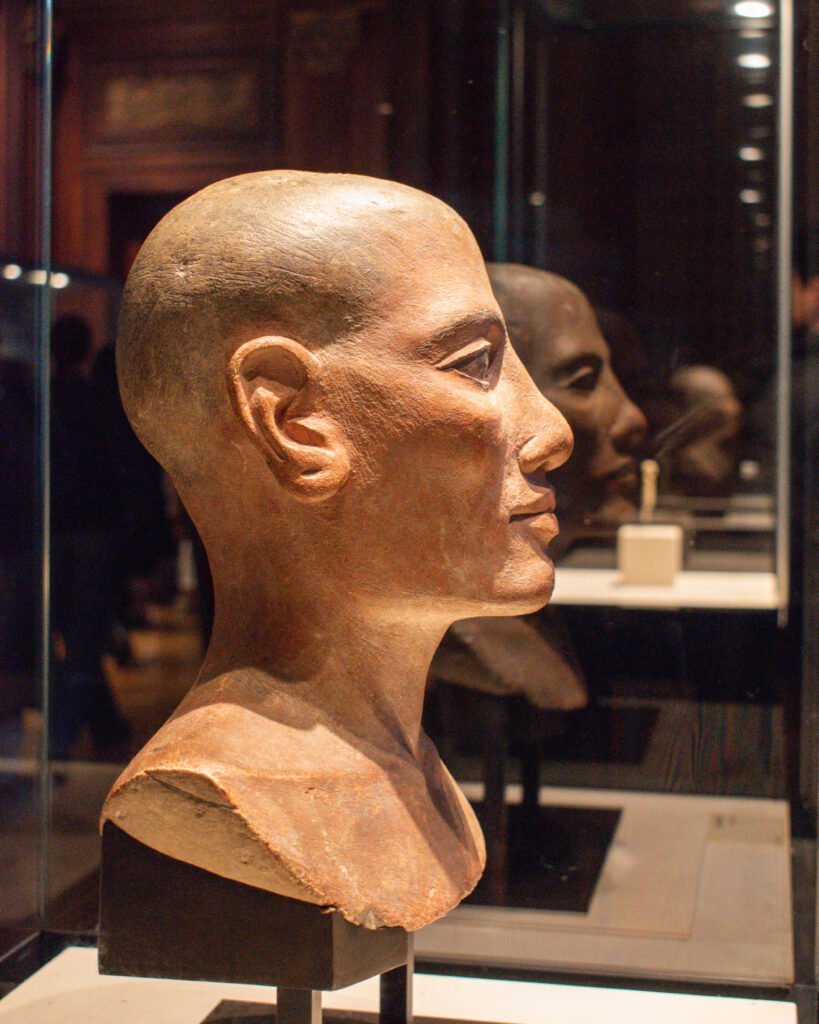
- The Seated Scribe – an incredible 4,000 years old
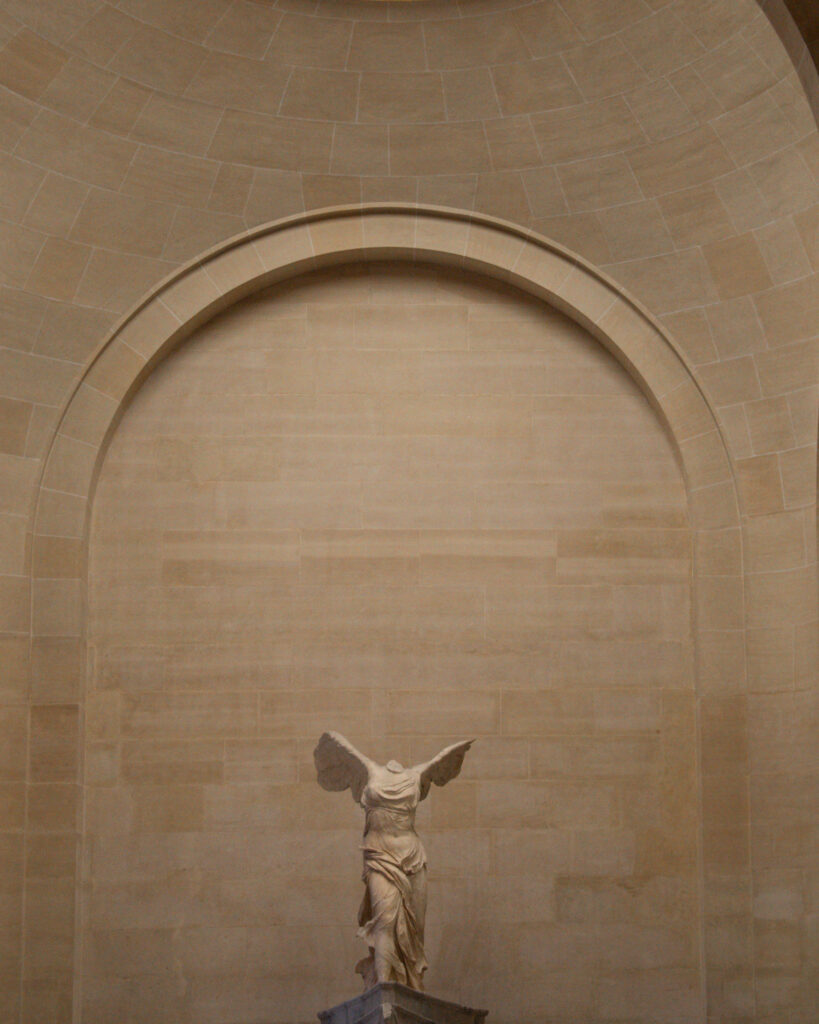
- The Winged Victory of Samothrace
- Liberty Leading the People (currently under restoration)
- The Law Code of Hammurabi – (1754 BCE) – one of the oldest translated law texts in the world
- Ingres’ La Grande Odalisque – (1814)
- Frieze of Archers – (510 BCE) – from the palace of Darius I in Susa, Iran
- Lamassu – (721 BCE) – protective spirits that stood guard at the palace of King Sargon Il at Dur-Sharrukin, Iran
- French Crown Jewels and Louis XIV’s Galerie d’Apollon
- And of course the enigmatic Mona Lisa!
Alternatively, book a private guided tour for a more detailed insight into the museum’s collection.
A Few Top Tips To Beat The Louvre Crowds
Booking a timed-entrance ticket online allows you to skip the long queues to get in.
On Wednesday and Friday the Louvre is open until 10pm – the evenings are always quieter. On the other hand, it is free to enter – and therefore packed – every first Sunday of the month.
In the peak summer months – or any busy time of day – avoid the main entrance, and use the entrance to Galerie du Carrousel from the Commercial Centre, or Porte des Lions on the river side of the building.
MUSÉE D’ORSAY
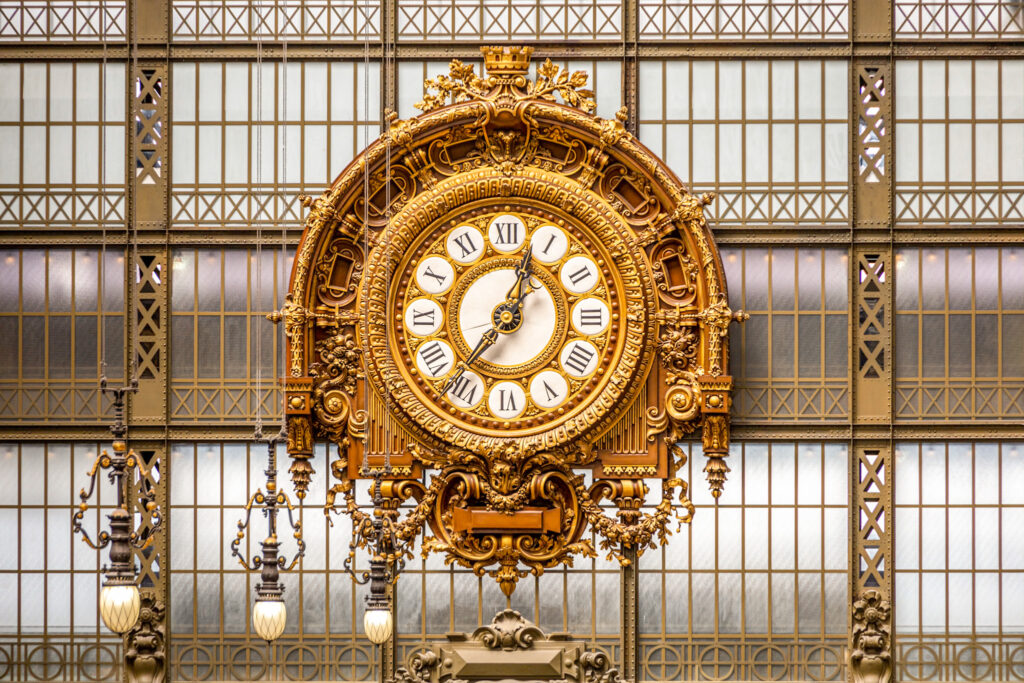
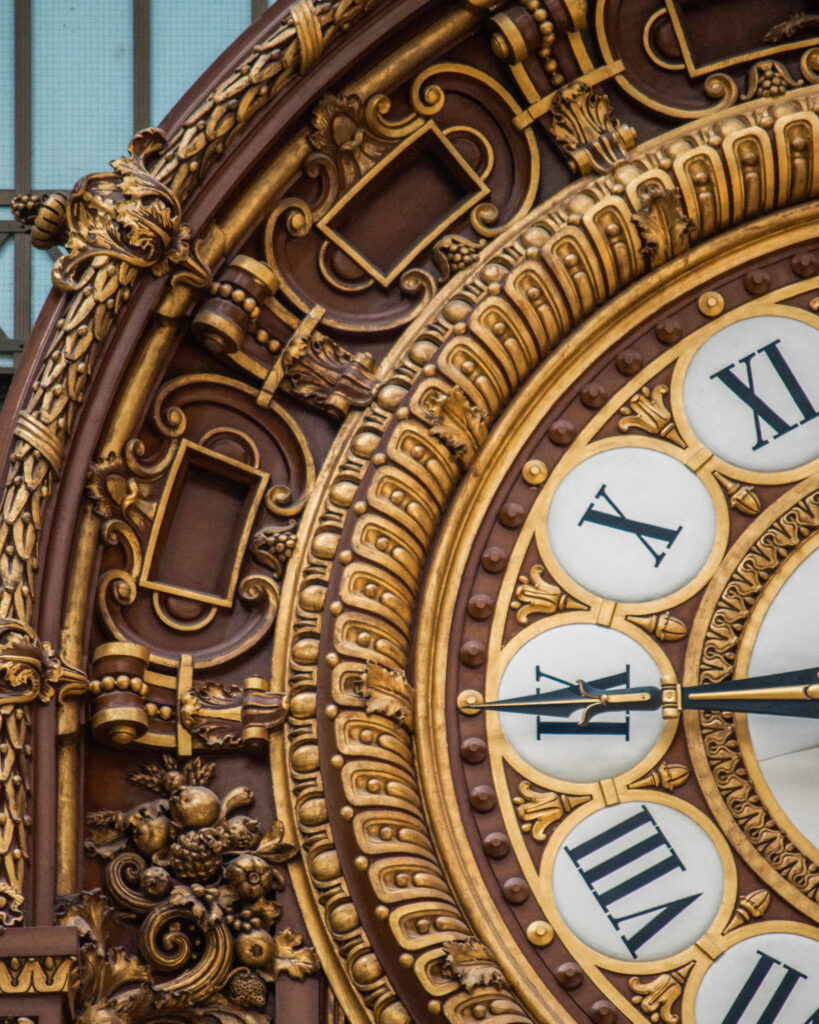
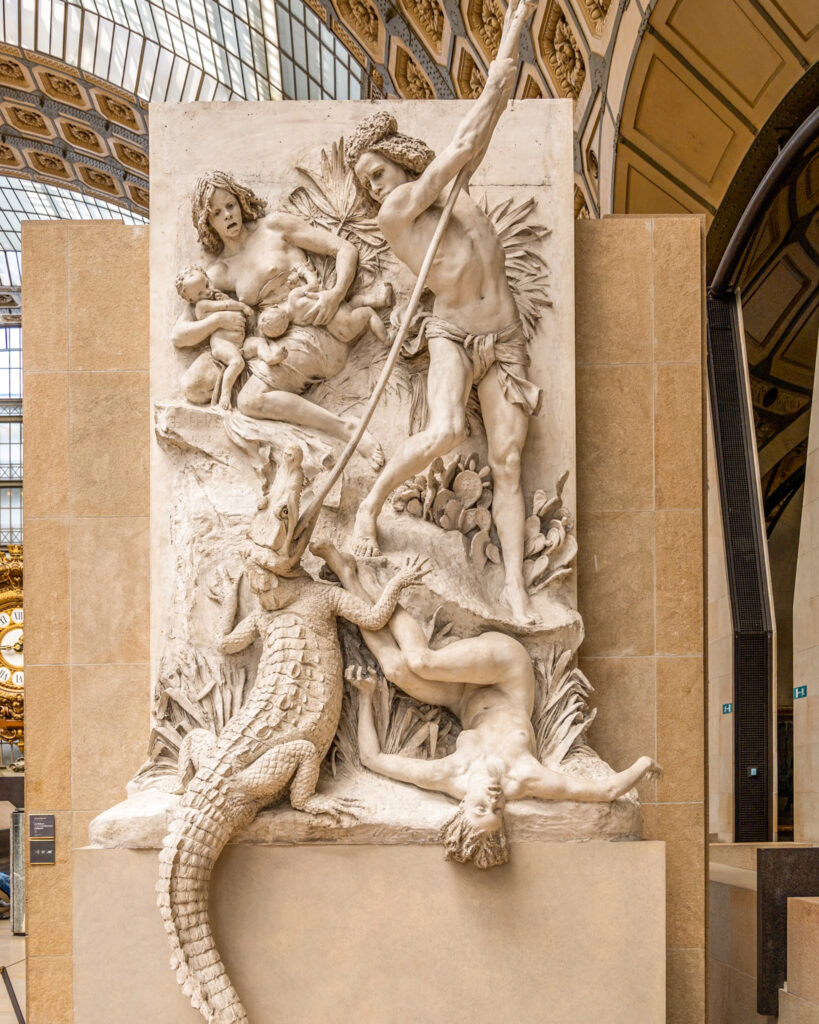
Housed in a former railway station, this is France’s national collection of impressionist and art nouveau works. It houses works by famous artists including Henri Matisse, Claude Monet, Edgar Degas, Vincent Van Gogh and Auguste Rodin. I love the collection of Edgar Degas’ work, but if the art isn’t your thing the building itself is still worth seeing.
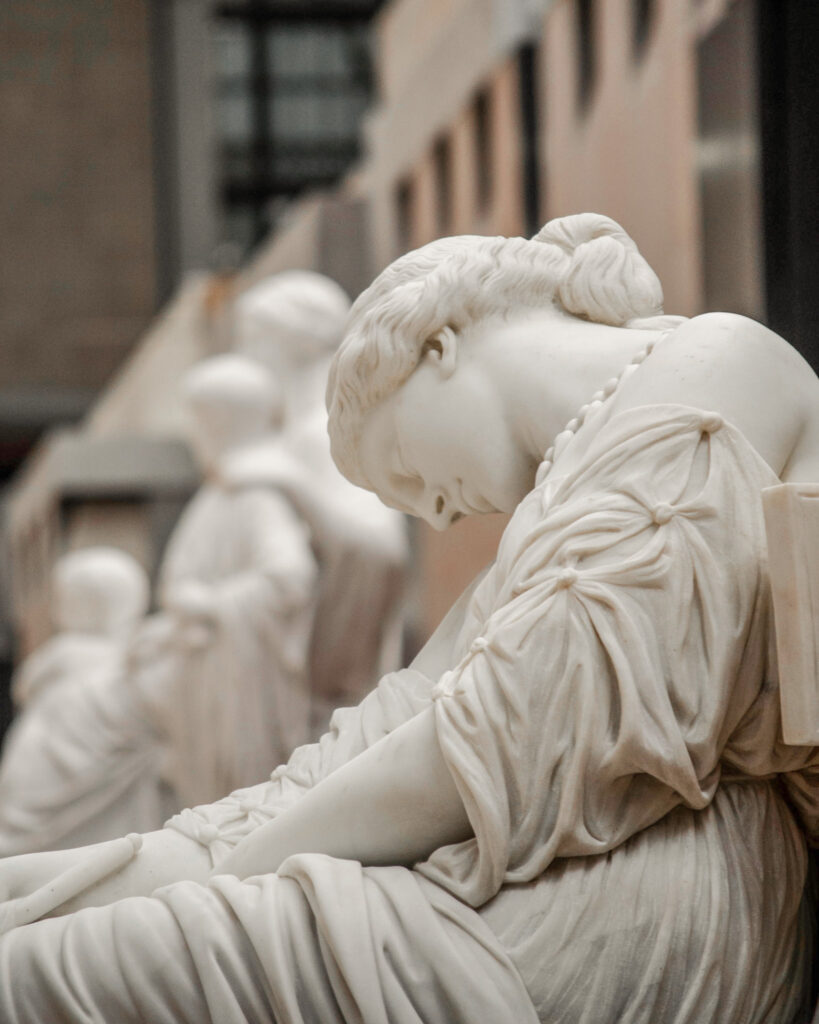
Although not quite as vast as the nearby Louvre, the permanent collection of the Musée D’Orsay covers four floors spanning collections from Impressionism to Post-Impressionism, as well as departments of the Decorative Arts, Sculpture, and Photography. I therefore recommend doing a bit of research before, to pick the highlights you really want to see to avoid being overwhelmed!
Alternatively, consider booking a guided tour to see the highlights of the Impressionist collections. There are also several good private guided tours available, if you want something more personalised – try this two hour tour with skip the line tickets. If travelling with children, consider a tour aimed specifically at entertaining the little travellers allowing you to also get your art fix!
Book tickets online in advance, to avoid waiting in long queues in busy months. Ticket holders should enter via Entrance C on the Rue de Lille (those without prebooked tickets enter via Entrance A on the side by the River Seine. On Thursdays the museum is open later, and visiting after 6pm tends to be quieter.
Adult tickets are €14. On the first Sunday of the month, all visitors get free entry to the permanent collections.
It is also possible to buy a combined ticket to the Orangerie or the Musée Rodin, with the Musée D’Orsay. The combined ticket allows access to both museums once within three months of buying the ticket – the visit does not need to be on the same day.
MUSÉE RODIN
The Musée Rodin is another gem of a small museum. It takes around an hour to visit, making it a great option if you are short on time or are seeking s relaxing and shorter art excursion.
It is dedicated to the French sculpture, August Rodin. Known as the founder of modern sculpture, the museum holds the largest collection of his work anywhere – with around 7,000 drawings and prints, and 6,000 sculptures. Several of the sculptures are set within the peaceful gardens. Rodin’s sculptures are gorgeous, but the gardens alone are sufficient reason to visit this lovely museum. Adult tickets are €15.
It is also possible to buy a combined ticket to the Musée Rodin and the Musée D’Orsay. The combined ticket allows access to both museums once within three months of buying the ticket – the visit does not need to be on the same day.
HÔTEL DES INVALIDES
Once a military hospital (and a small part still is), this is now a large complex of museums, with lovely views of the Seine and the Eiffel Tower. It also houses the tomb of Napoleon. It’s lovely gardens and courtyards are lovely to stroll around to get a sense of the history. The Saint Louis Cathedral, courtyards, and gardens of Les Invalides complex are all free to visit. But if you want to get inside the Musée de l’Armée, Museum of the order of the Liberation, or see Napoleon Bonaparte’s tomb, you will need an entrance ticket.
Adult tickets are €15, grating access to the Museum’s permanent collections, the Dome, temporary exhibitions, the Musée de l’Ordre de la Libération and the Musée des Plans-Reliefs.
MUSÉE DE L’ORANGERIE
One of the most underrated art galleries in Paris in my humble opinion! It houses Claude Monet’s spectacular water lilies, and the building itself – a former orangery – is beautiful. It is only small, so perfect if you just want a little taster of French art or don’t want to walk the miles of corridors in the Louvre nearby. Adult tickets are €12.50.
It is also possible to buy a combined ticket to the Orangerie and the Musée D’Orsay. The combined ticket allows access to both museums once within three months of buying the ticket – the visit does not need to be on the same day.
THE CHURCHES
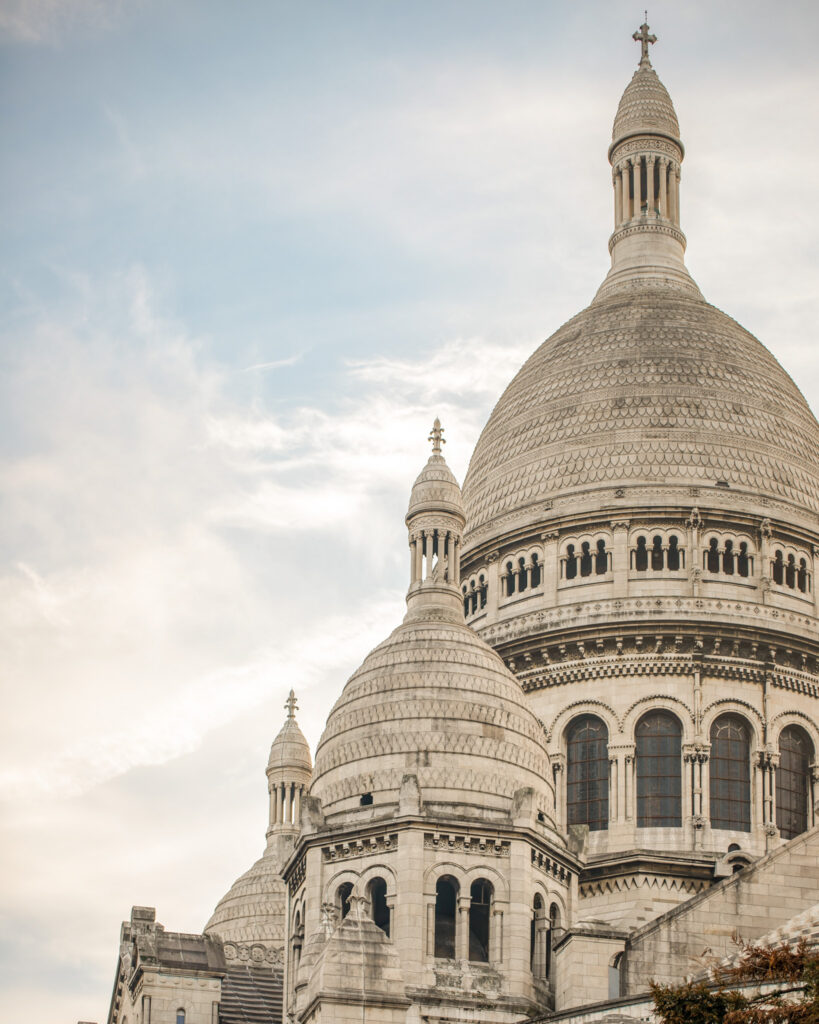
Sacre Coeur – The Basilica of the Sacred Heart of Paris sits on the top of Montmartre Hill. It is free to visit this beautiful church – and a mere €5 to climb the 300 steps to the top of the Basilica for views over Paris.
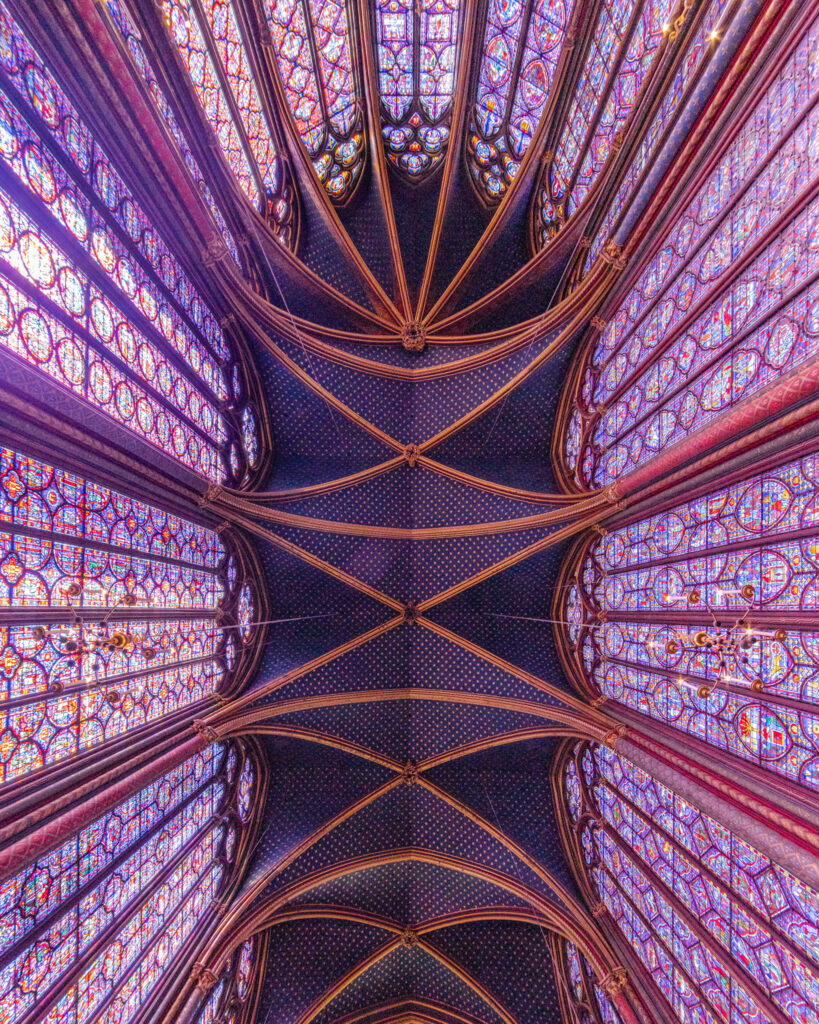
Saint Chapelle – consecrated in 1248, this chapel is a stained glass dream. Even on a grey day it is beautiful, but if you are lucky enough to be there when the sun is shining it will take your breath away. Adult tickets are €8.50.
Notre Dame – although it is not currently possible to enter Notre Dame as restoration works continue after the terrible fire, this beautiful church is still worth seeing from the outside.
LES JARDINS
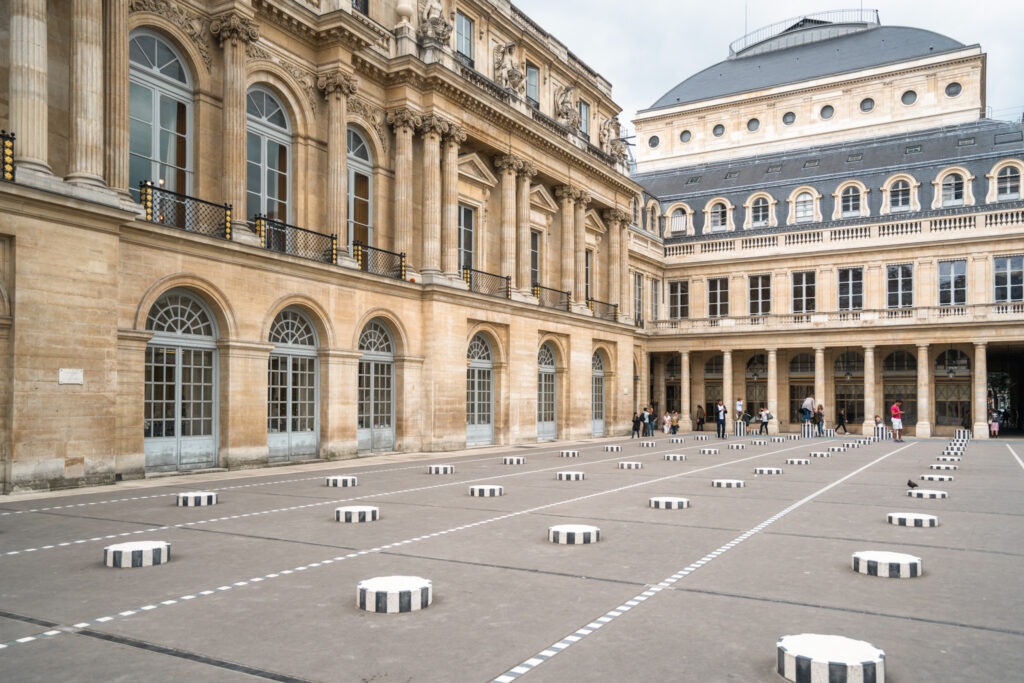
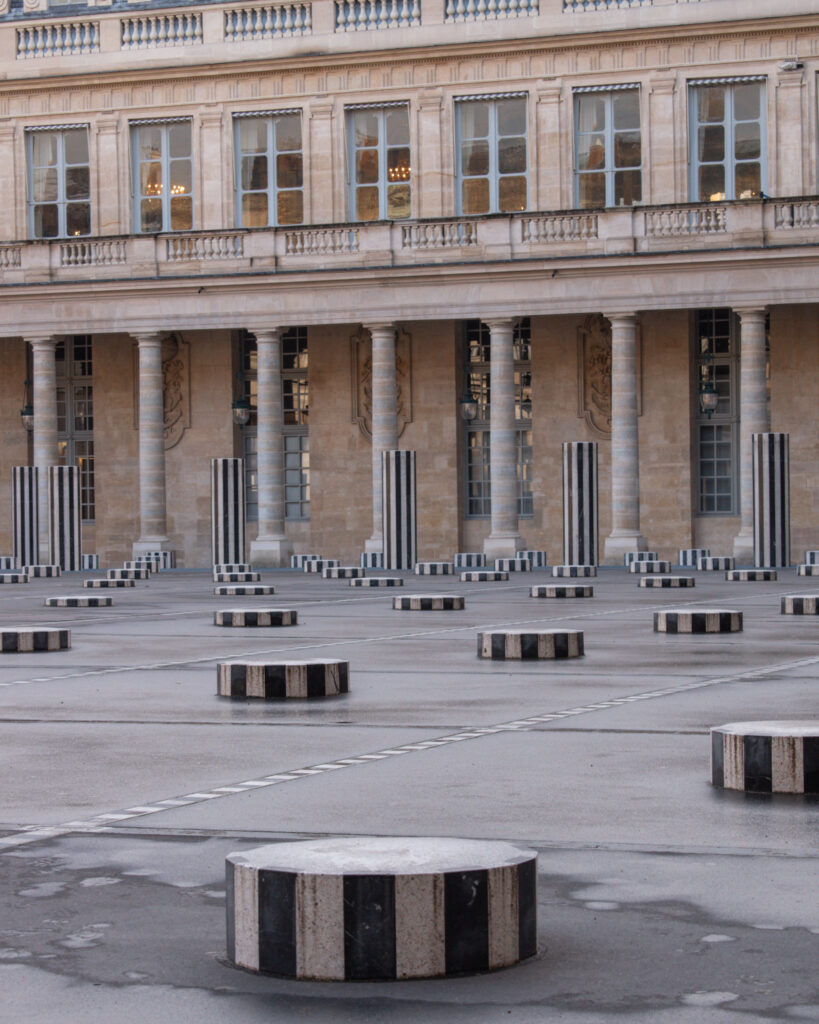
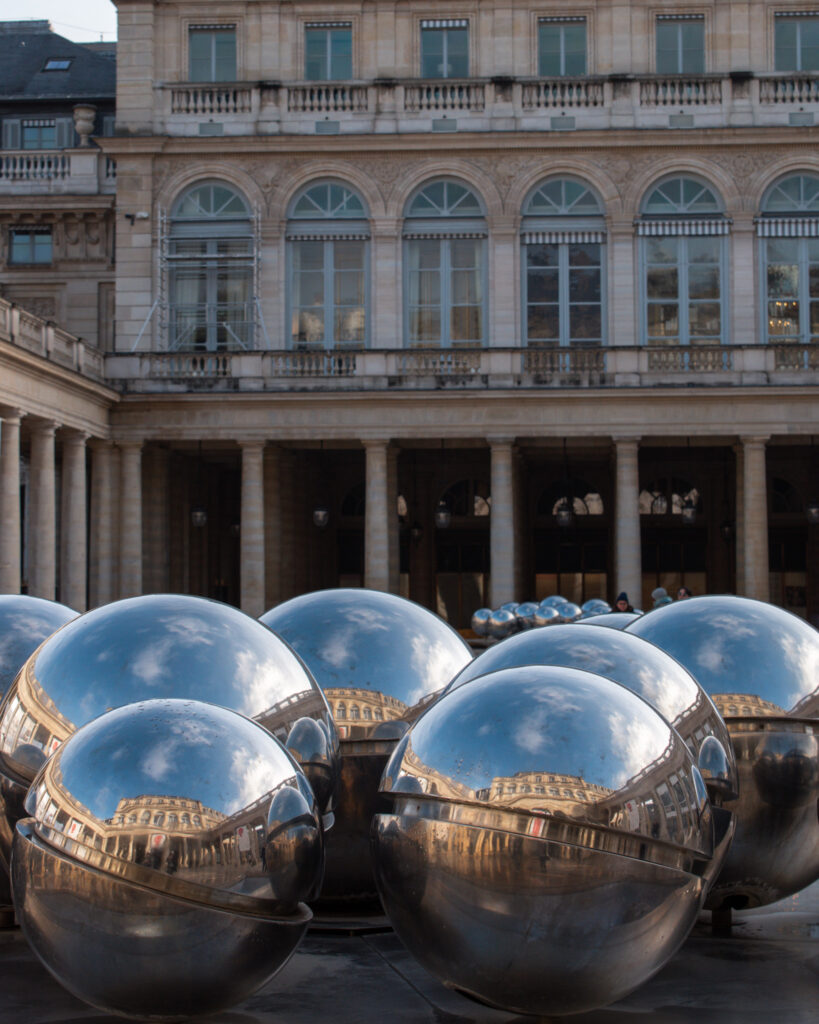
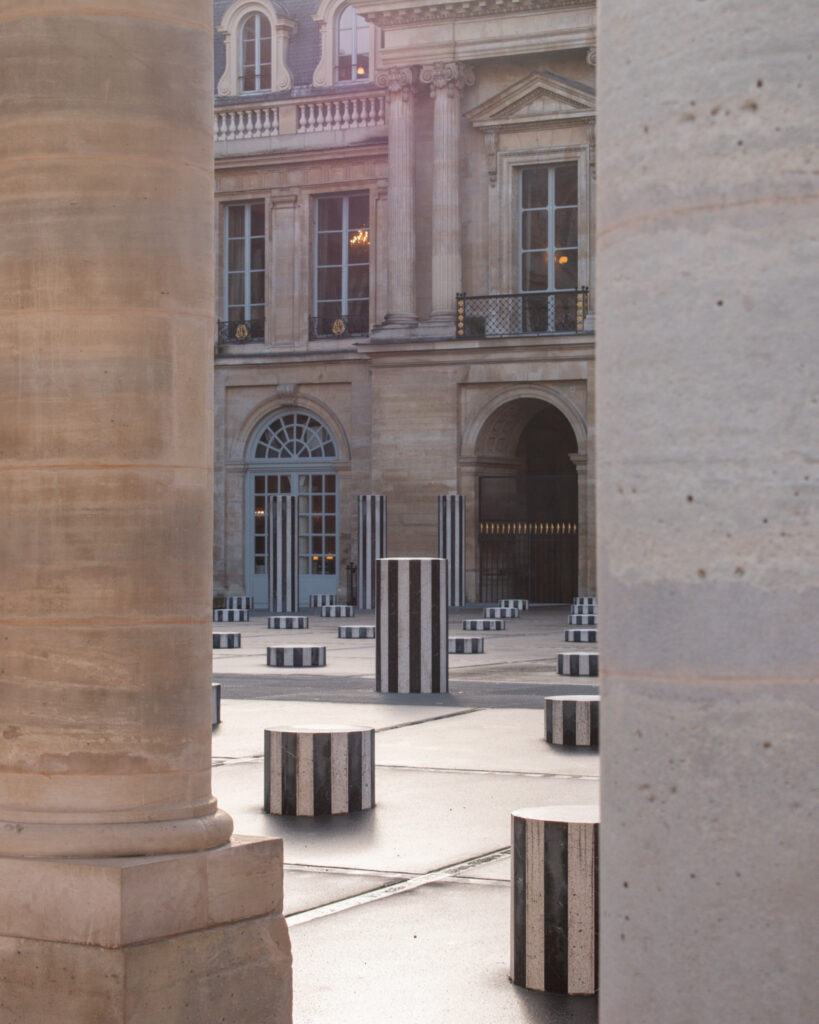
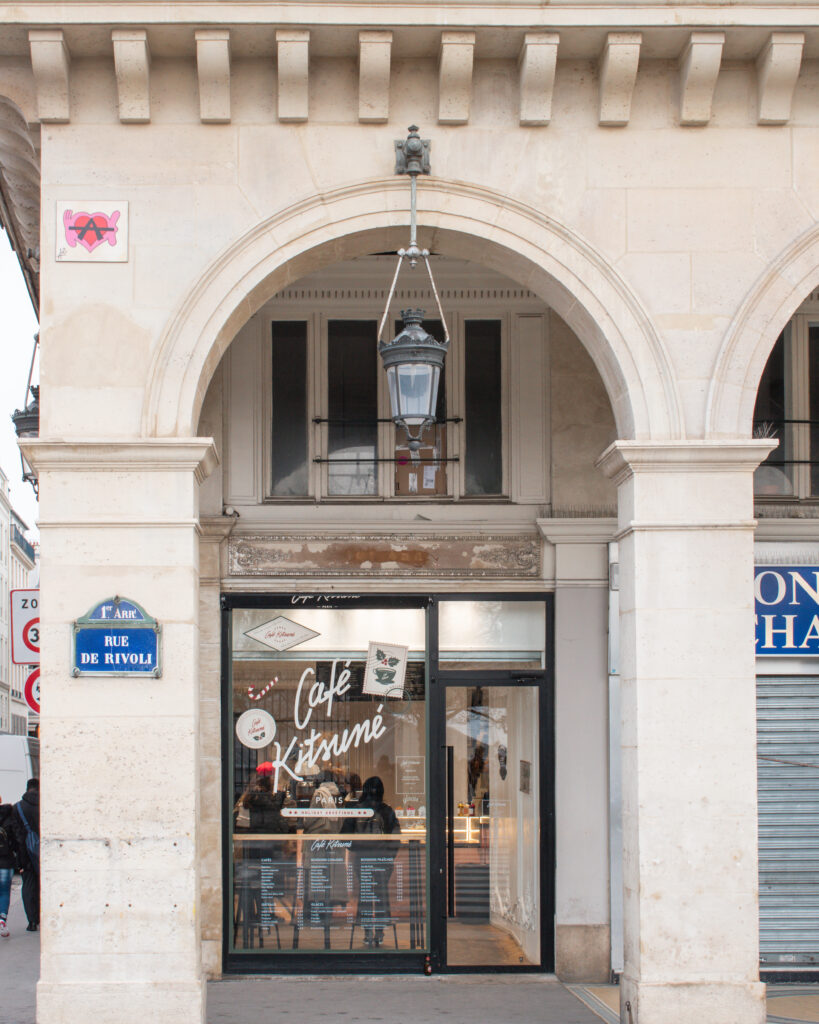
Jardin du Palais-Royal – one of the prettiest, and most peaceful spots in central Paris. Even on a hot summers day when the nearby Jardins des Tuileries are packed out, there are often few people here. The inner courtyard of this former royal palace has lovely gardens in which to stroll and a few cafes and shops – my top pick is Café Kitsuné. This lovely French/Japanese café has three outlets across the city and serves some of Paris’ best coffee. Just be aware that the (lovely!) art installation in the courtyard – the black and white Colonnes de Buren – has rapidly become a top Instagram favourite so in peak season it can get somewhat less than tranquil! Head out into the gardens to avoid the crowds.
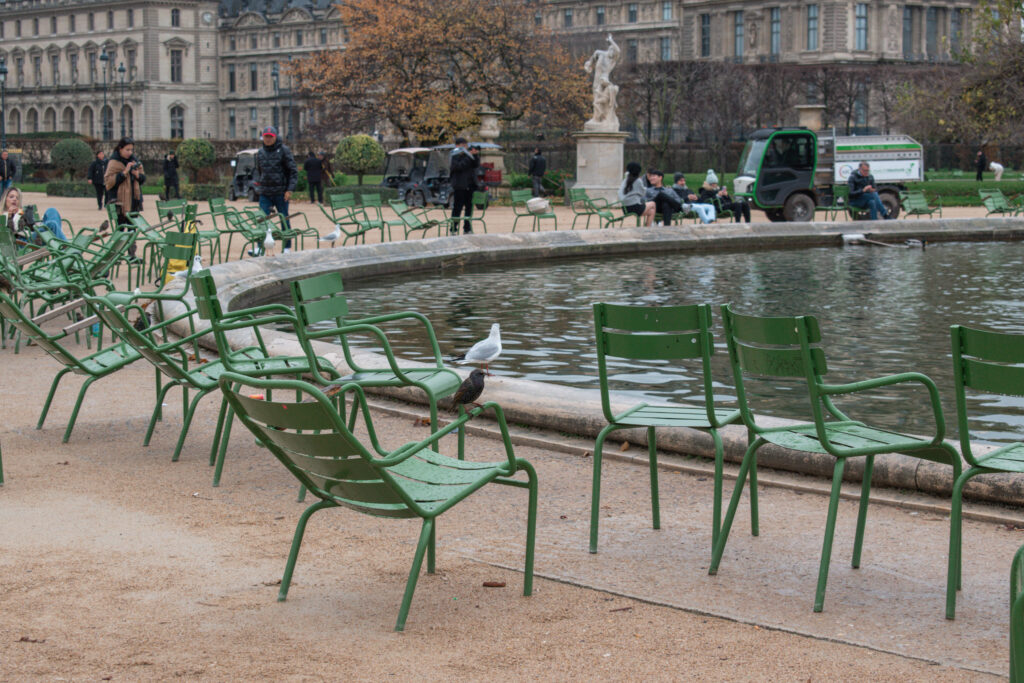
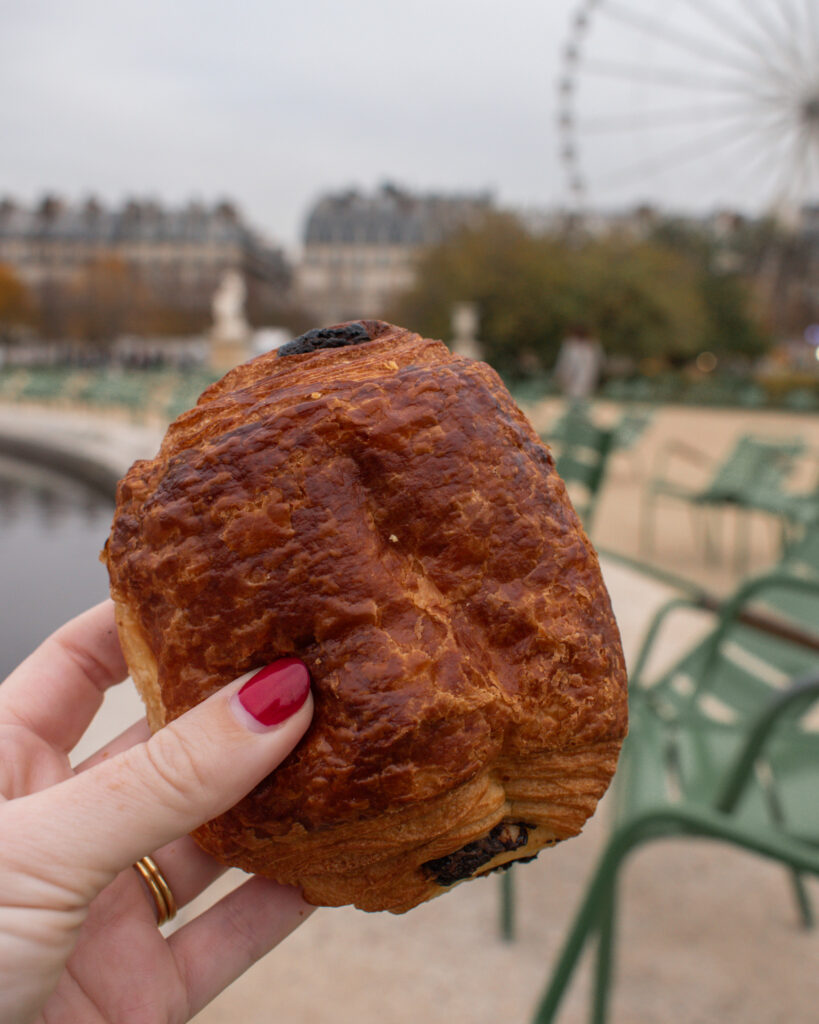
Jardin des Tuileries – stretching out for 28 hectares in front of The Louvre, this is one of my favourite places in Paris. The park was created in 1664, and the reclining chairs around the ponds are the perfect post-baguette snooze spot!
Coulée Verte René-Dumont – one of my favourite places in Paris. Also known as The Promenade Plantée, this elevated walkway and garden was created on a disused railway line three levels above ground. The free, three mile walkway from the Bastille to the Bois de Vincennes was the world’s first elevated park walkway. Ten metres above the ground, it is a lovely, peaceful way to walk through the Parisian neighbourhoods.
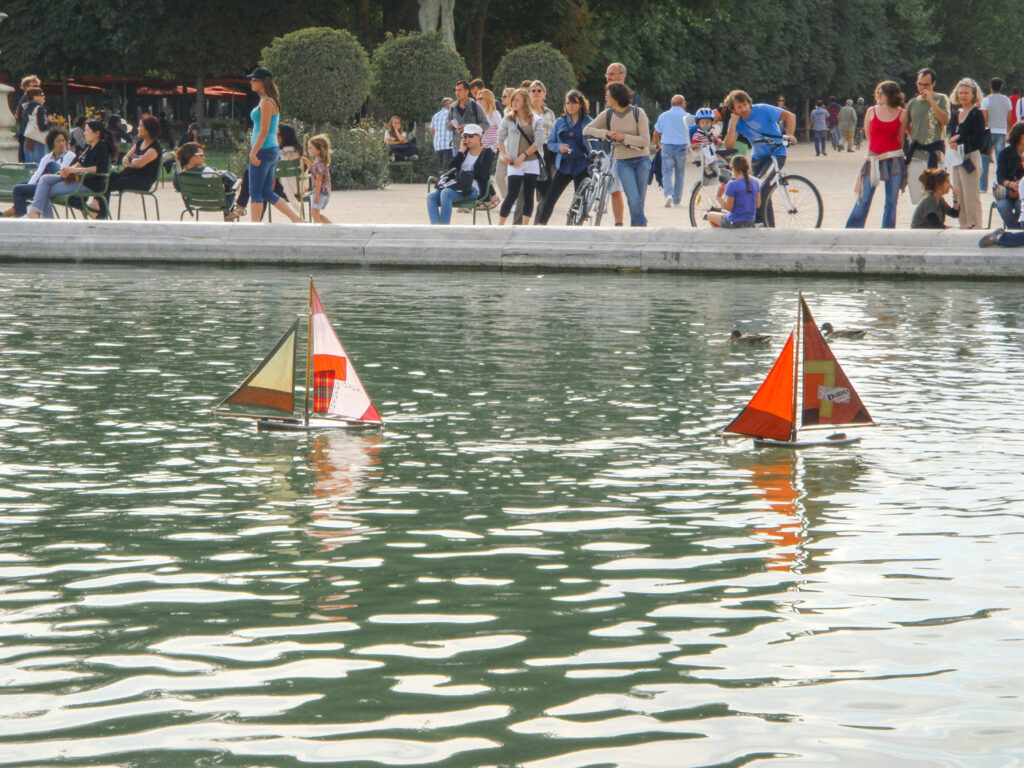
Jardin du Luxembourg – an absolutely gorgeous, leafy park which Napoleon dedicated to children. Pushing 1920s sailboats around the pond is a delight for children and adults alike (Wednesdays and Weekends: €6 for 30 mins)! The carousel is the oldest in Paris. Puppet shows are held at the small theatre. There are also several excellent playgrounds. The sandpits next to the entrance to the puppet theatre are shaded on hot days, and the sandpits in the “roserie” garden are turned into mini paddling pools during summer months.
WHAT TO DO
People watching – the cafés of Paris are made for people watching! Install yourself at a table facing the street with a steaming espresso and watch the world go by.
Cruise the Seine – I love a river trip, and a cruise down the Seine is a peaceful way to rest sightseeing-weary feet and see more of the main sights at a more relaxed pace. There are lots of companies offering different types of cruises – try either a short hour long cruise with an audio commentary or a bit more leisurely whilst enjoying a three course a la carte lunch cruising the Seine!
Walk – or run! – the Seine – simply wandering around the streets is one of the best ways to see Paris and the promenade along the Seine is one of the city’s loveliest walks. At the weekend it becomes an outdoor gym as Parisian residents pound its pavestones. Alternatively, for a different view and an extra dollop of romance, take a lunch or dinner river cruise down the Seine.
Picnic in a park – one of the best things to do in Paris is also one of the cheapest! Pick up a baguette, some cheese and a bottle of wine and set up a picnic in one of Paris’ parks. Top picks include the Place des Vosges, Champs de Mars in front of the Eiffel Tower or the lovely Jardin du Luxemburg.
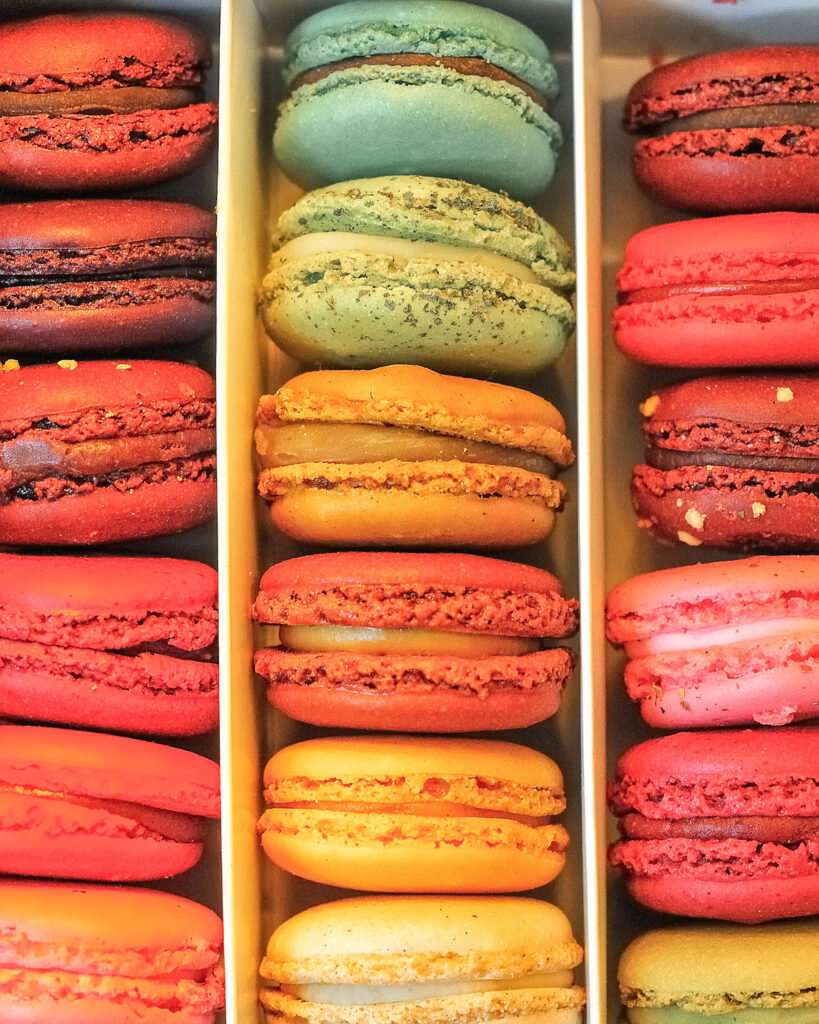
Pick up a new skill – French patisserie is considered the best in the world, and where better to learn to make your own than Paris! Top picks are a macaron class at the wonderful Galeries Lafayette, or the ultimate French treat… a croissant workshop!
BEST VIEWS IN PARIS
Esplanade du Trocadéro – on the Right Bank in the 16th arrondissement, this is the most famous view of the Eiffel Tower. To avoid the – huge! – crowds, go early in the morning (after 9am it will already be very busy). For another lovely view of the famous Iron Lady – and one less frequented – head down into the Jardins du Trocadéro and find the path to the right as you look towards the Eiffel Tower, behind the Musée de l’Homme. At the bottom of the hill, where Avenue des Nations Unies and Rue Le Nôtre meet, is a raised walkway with wonderful views of the Eiffel Tower.
Galleries Lafayette – both the department store itself and the views from its terrace are seriously photogenic. Printemps Haussmann also has a rooftop terrace and cafe.
Rue Cremieux – the most colourful street in Paris. Just be respectful of the fact that these are people’s houses…
Square Rapp – a great spot to snap a less frequently seen view of the Eiffel Tower.
Tour Saint Jacques – the only remaining structure from the gothic Eglise Sain-Jacque-de-la-Boucherie, which stood here until 1793. The rest of the church was destroyed in the French Revolution. The 52m tower is only accessible by prebooked tour (currently only in French) via Des Mots et Des Arts – tours usually run May – October, on Fridays, Saturdays and Sundays for €12.
Centre Pompidou – fabulous – free – views over Paris from the 5th floor. Museum tickets are only validated once you enter the galleries, so you can get the lift up to the top floor without needing to buy a ticket.
WHERE TO EAT
Paris really is a city that your stomach will thank you for visiting. There are so many incredible places to eat and drink here I think I could spend the rest of my life eating in this glorious city and never have to go to the same place twice. That being said, I definitely have some absolute Parisian foodie highlights that I keep going back to! I hope that you like them too. Check out my full foodie guide to Paris for an extensive list of all of my favourite places to eat and drink.
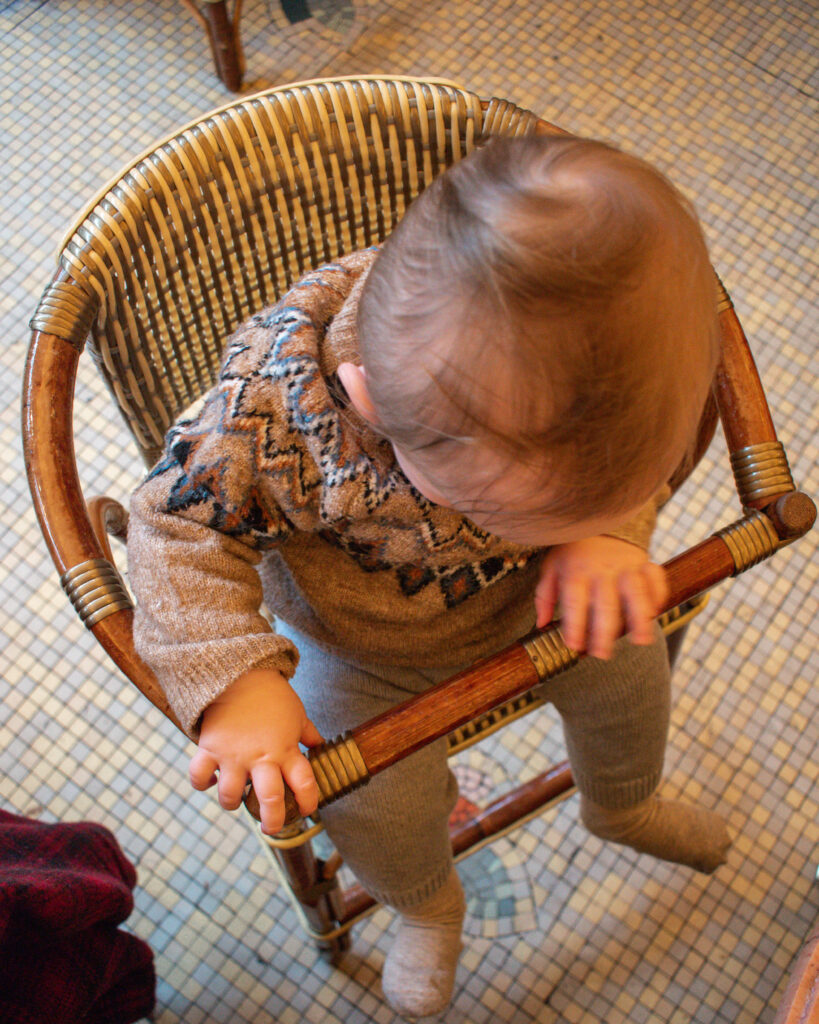
Whilst dining out with children is common in France, high chairs are not widespread in Parisian restaurants and cafes. Either pack a portable, fabric travel high chair… or check out my recommendations for fantastic places to eat that DO have high chairs! Check out my comprehensive guide to Paris with children on Thatch.
Chez Alain Miam Miam – the best sandwiches in the city!
Berthillon – the best ice cream and sorbet in Paris. Expect to queue at the tiny shop on Ile Saint-Louis – it is totally worth it. You will also find this famous brand on a number of desert menus across Paris.
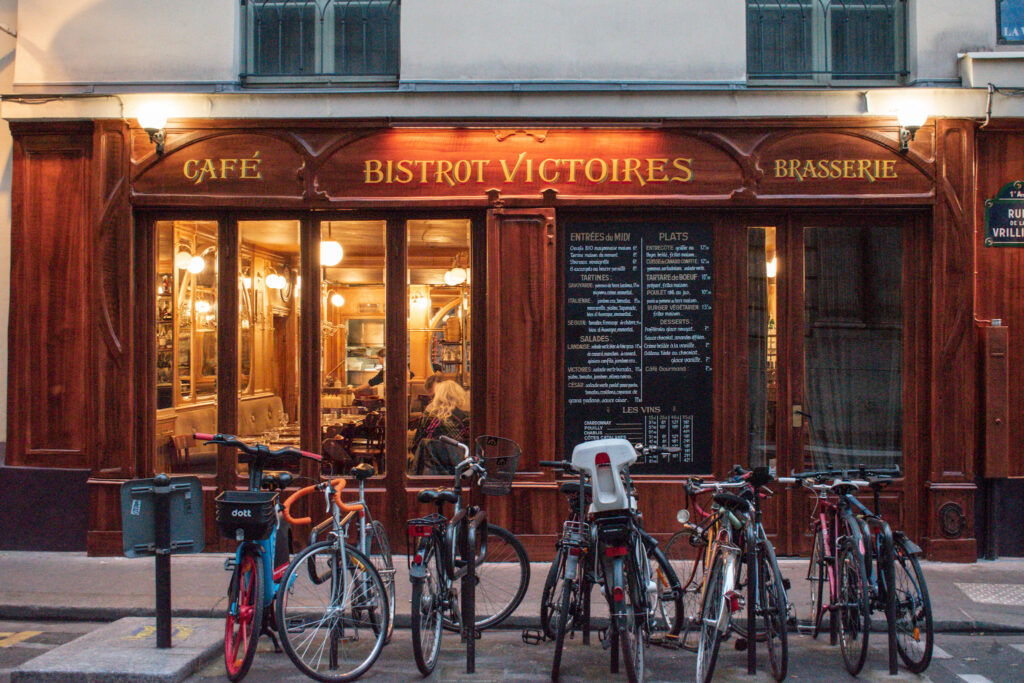
Bistrot Victoires – incredibly good value, simple French food ensures we come back to this place not far from the Louvre time and time again. The steak-frites are excellent.
Le Petit Bouillon Pharamond – great service, fantastic food and fantastic value. Beautiful interiors on top makes this one of my favourite places in Paris! Very likely you will have to queue unless there just before 12pm.
Le Coq et Fils – the best roast chicken in the world? Very possibly. We always head straight for this place as soon as we arrive in Paris. It is pricey, but when the food is this good, I think it is absolutely worth it. A little drama and backstory… we have been coming here since it was called Le Coq Rico. The three-star Michelin chef Antoine Westermann opened this Montmartre homage to chicken in 2012. He teamed up with a partner and expanded to New York. who then kicked him out of the company, and Westermann came back to Paris and renamed the original Montmartre location Le Coq et Fils.
Henri IV – this small bar on the Île de la Cite is always on our itinerary when we are in Paris. Opened in 1885, it is one of the oldest bars in the city. Extensive wine list and charcuterie – if you eat off the main menu the portions are huge.
WHERE TO STAY
Hotel France d’Antin Opéra – good value given its proximity to the Louvre, the rooms are well appointed and comfortable.
Le 7 Eiffel – close to the Eiffel Tower, the light filled rooms are comfortable and the showers were excellent! There is a roof top terrace with a range of cocktails.
Hôtel Thérèse – only a short 5 minute walk from the Louvre, this central boutique hotel offers great value give its location.
Snob Hotel – affordable hotel close to many of Paris’ top attractions. The cosy rooms are a great base for a weekend exploring the city.
Hotel Baume – an Art Deco lover’s dream! Just north of the lovely Jardin du Luxemburg, on the chic Left Bank.
Hotel Pulitzer – this modern hotel is a peaceful base despite its proximity to the restaurants and nightlife of Montmartre.
Hôtel Caron le Marias – it is hard to beat this intimate little hotel given its price and fantastic location. The antique furniture and 18th century décor make for a decidedly romantic stay.
The Hoxton Hotel – gorgeous design hotel with friendly service and a relaxed atmosphere. The courtyard bar is a lovely place for an afternoon drink.
I really hope that this guide will help you plan your first trip to the wonderful city of Paris – or find new places to explore if you are back for another Paris adventure. Be sure to also check out my foodie guide to Paris and other destinations in Europe for more travel inspiration.